
Electrical Materials
Cable, back boxes, consumer units, MCBs, RCBOs, and wiring accessories for a domestic build, including what each component does and what to check when your electrician specifies it.
First fix electrics happen once. Once the walls are plastered you cannot easily add a circuit or move a back box, so understanding what your electrician is installing, why it matters, and how it is meant to be laid out is one of the most valuable things you can do as a project manager.
These guides cover the materials your electrician will use during a domestic build: the cables that carry power around your home, the consumer unit and protective devices that keep it safe, and the accessories that end up on your finished walls. Each page explains what the component does, how to read a specification, and the warning signs that something has been done wrong.
Where to start
If you only read three of these before first fix, make them the cable sizing guide, back boxes and the consumer unit. Cable size is fixed the moment it is buried in a wall, back box depth decides which faceplates you can fit later, and whether your existing consumer unit can take the new circuits often decides the size of the electrician's quote.
The guides, grouped by job
Cable. 1.5mm twin and earth for lighting, 2.5mm for socket circuits, and 4mm, 6mm and 10mm for long runs, cookers and showers. Outside the house you need SWA cable; for fire alarm and emergency circuits there is MICC. Low-voltage runs are covered in data cable and speaker cable, which are far cheaper to pull in at first fix than to chase in afterwards.
Containment and termination. Conduit, conduit clips, cable trunking, earth sleeving and heat-shrink tubing. These are cheap items, and a missing one is a common reason for a failed inspection.
Protection at the board. The consumer unit and the devices inside it: MCBs, RCBOs, surge protection (SPDs) and AFDDs. Read these before you accept a quote that includes a board change.
Kitchen and appliance circuits. Cooker connection units, fused connection units and the switch fuse for fixed appliances, plus the immersion heater if you have a hot water cylinder.
What ends up on the walls and ceilings. Socket faceplates, switch faceplates, USB sockets, weatherproof sockets, LED downlights, pendant fittings, ceiling roses and under-cabinet LED strips. You choose these at second fix, but most of them need the right cable or box depth left for them at first fix.
Where these fit in the build
The layout is decided in electrical layout planning, the cable and boxes go in at first fix electrics, and the faceplates, fittings and board connections happen at second fix electrics. New circuits in your project are notifiable work, so expect your electrician to register it and hand you an Electrical Installation Certificate at the end.

AFDDs (Arc Fault Detection Devices): Do You Need One for Your Extension?
What an AFDD does, when BS 7671 makes it mandatory, and whether your extension needs one. UK prices around £100 per circuit installed.

Back Boxes: Metal Flush, Dry Lining, and the Depth Mistake That Costs You a Day
Electrical back boxes: metal flush vs dry lining, depths from 16-47mm, earthing rules, prices from around 55p each, and the plasterboard offset calculation nobody explains.

Cable Sizing Guide: Which Cable Size Do You Need?
Decision guide for choosing between 1.5mm, 2.5mm, 4mm, 6mm, and 10mm twin-and-earth cable in a UK domestic extension. Covers derating through insulation, ring vs radial, and Part P.

Cable Trunking: Sizes, Fittings, and How to Run It
What cable trunking is, the UK sizes you'll see, the 45% cable fill rule, and how to route surface cables neatly. Indicative 25x16mm PVC mini-trunking prices of £2 – £5 per metre per metre.

Data Cable for UK Homes: Cat5e, Cat6, Cat6a, Cat7, Cat8 - What to Actually Buy
Plain-English guide to ethernet cable for UK extensions: why Cat6 is the standard, when Cat6a is worth the upgrade, why Cat7 and Cat8 are marketing traps, and the CCA cable scam to avoid.
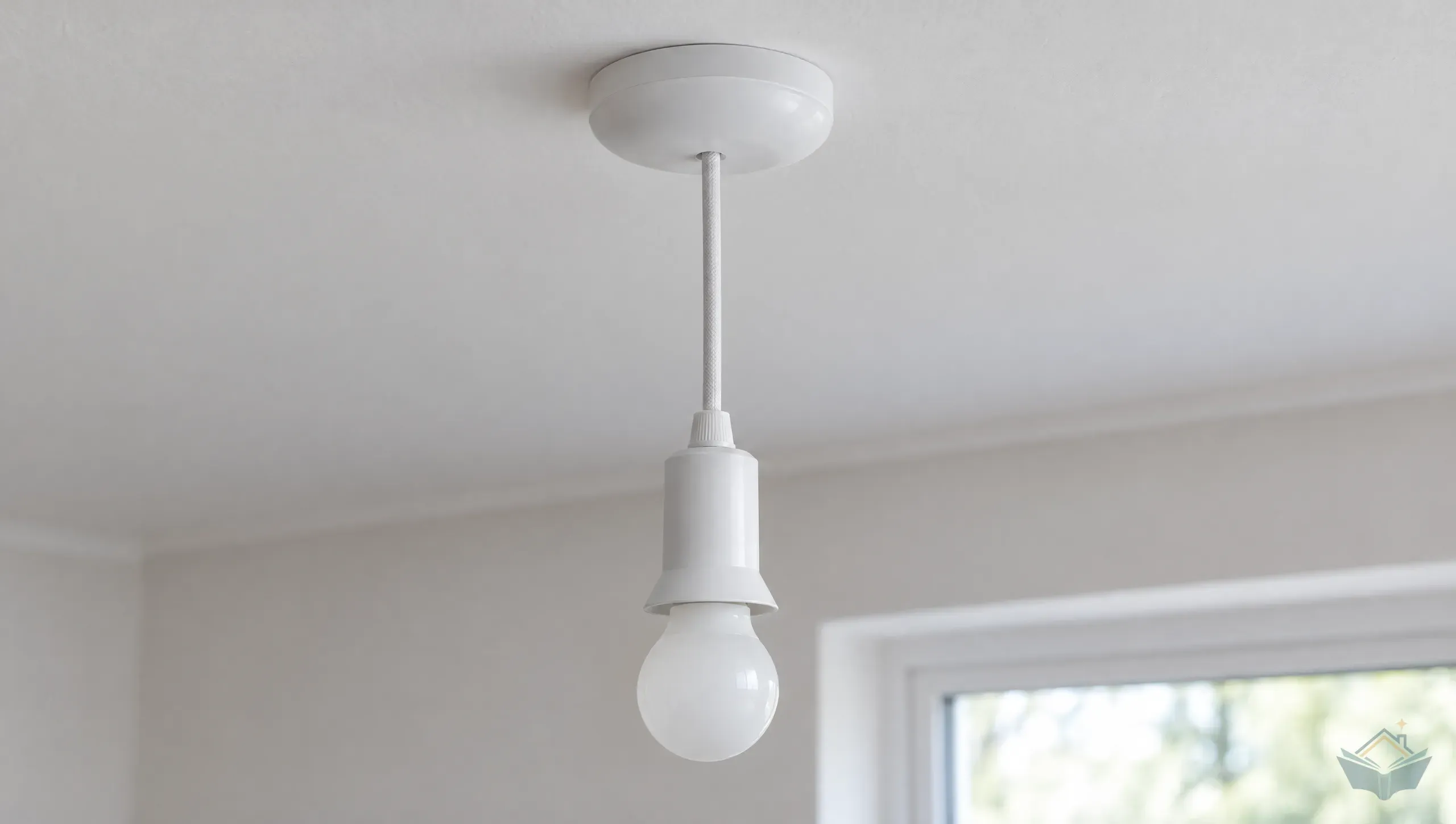
Ceiling Roses: What They Are and How Lighting Loops Into Them
The white plastic ceiling rose is where a UK pendant light connects to the circuit. How loop-in wiring works, BS 67 ratings, sizes, and when to use a BESA box instead.
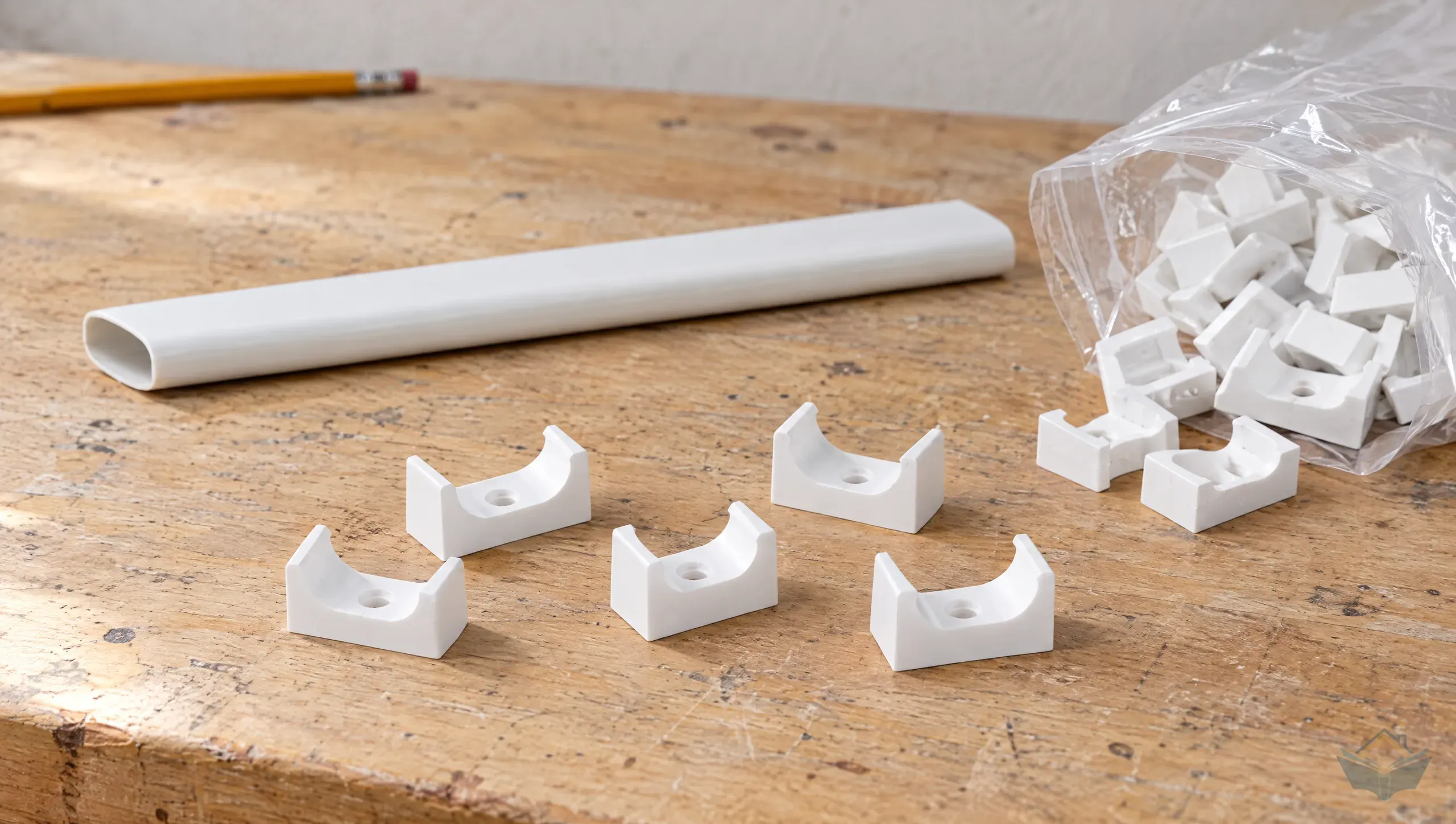
Conduit Clips: Sizes, Spacing, and How to Fix Conduit Properly
Plastic conduit clips and saddles secure oval and round conduit before plastering. Sizes, 300mm spacing rule, quantities, and prices from £1.10 a pack.

PVC Conduit: Oval vs Round, When You Need It, and the Cable-First Rule Your Electrician Knows
PVC conduit for domestic electrical work: oval for wall chases, round for surface runs, sizes, BS 7671 rules, and prices from around 44p per metre.

Consumer Units: What Every Homeowner Needs to Know Before Second Fix
Consumer units (fuse boxes): dual RCD vs all-RCBO configurations, metal enclosure rules, SPD requirements, brands, and indicative installed replacement costs of £380 – £520 for dual RCD or £520 – £720 for all-RCBO.
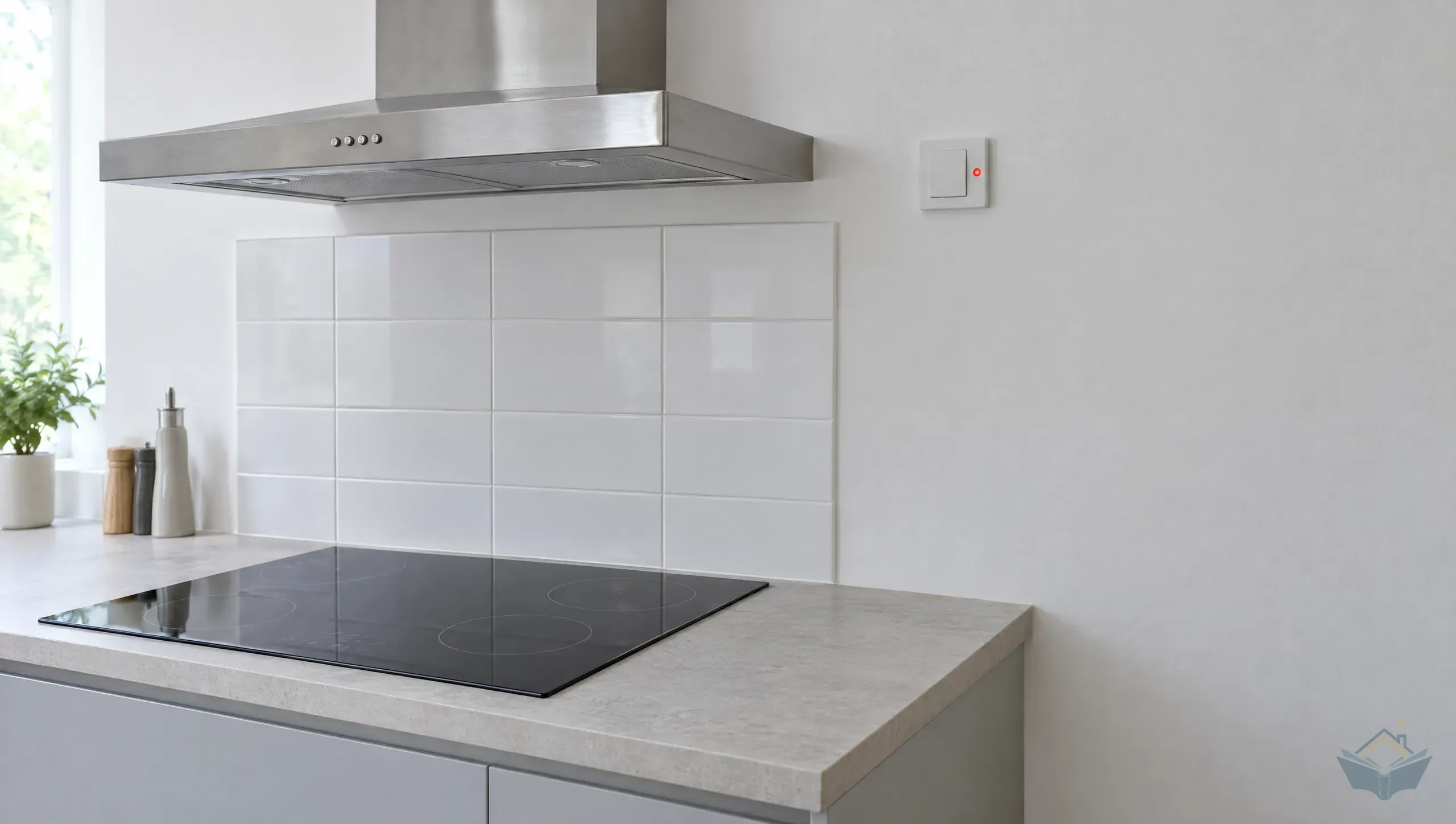
Cooker Connection Units: Wiring a Hob, Oven or Range Cooker Correctly
A UK guide to cooker connection units (CCUs): when a CCU is required vs a cooker outlet plate, cable sizing for different load configurations, the 13A socket rule for separate hob and oven, positioning, and what to buy.

Earth Sleeving: Sizes, Uses and UK Pricing
Green/yellow PVC earth sleeving explained: why bare CPC must be covered, the two BS 7671 regulations that demand it, sizing by cable, and UK pricing examples from Screwfix, Toolstation, and TLC Direct.
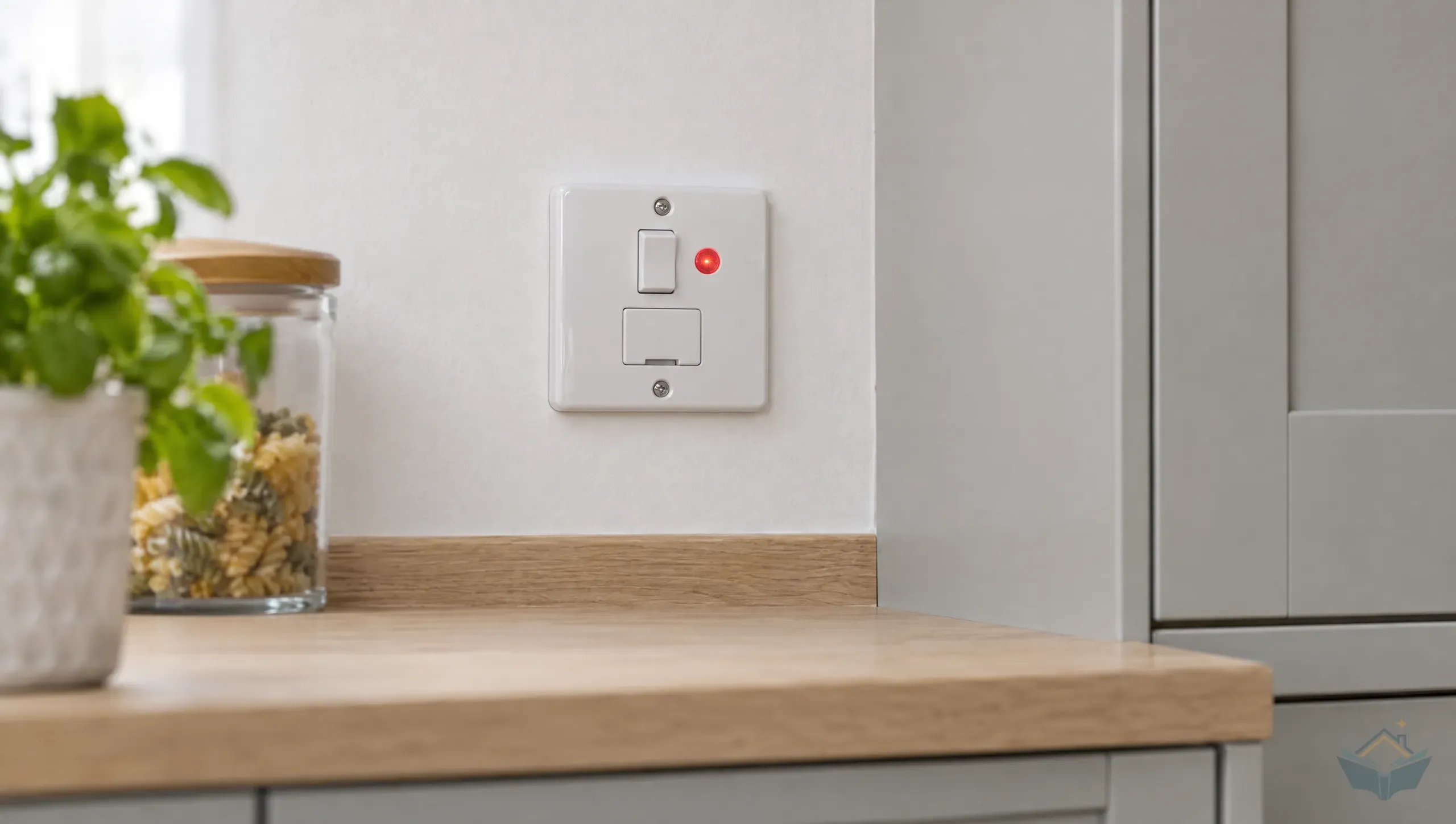
Fused Connection Units: When to Use an FCU Instead of a Socket
A UK guide to fused connection units (FCUs): when Building Regulations require a hardwired connection, fuse ratings for different appliances, switched vs unswitched, where they go, and what to specify at first fix.

Heat-Shrink Tubing: The UK Electrician's Guide for Homeowners
What heat shrink tubing is, when it's a legal substitute for a junction box (it isn't), and what BS 7671 actually requires. UK pricing by tubing type and kit size covered.

Immersion Heaters Explained: Types, Wiring, and How to Pick the Right Element
What an immersion heater is, the difference between copper and Incoloy elements, why the thermostat stays at 60C, and how it should be wired on a 20A radial circuit.

LED Downlights for Kitchen Extensions: Fire Rating, Spacing, CCT and What to Buy
The full UK guide to LED downlights: when fire-rated is legally required, IP65 for kitchens, 4000K vs 3000K, the ceiling-height ÷ 2 spacing rule, and current 2026 prices.

MCBs (Miniature Circuit Breakers): Ratings, Types, and Why Brand Matters
UK guide to MCBs: Type B vs Type C trip curves, correct ratings for every domestic circuit, brand compatibility rules, and indicative prices of £1 – £3 per MCB.
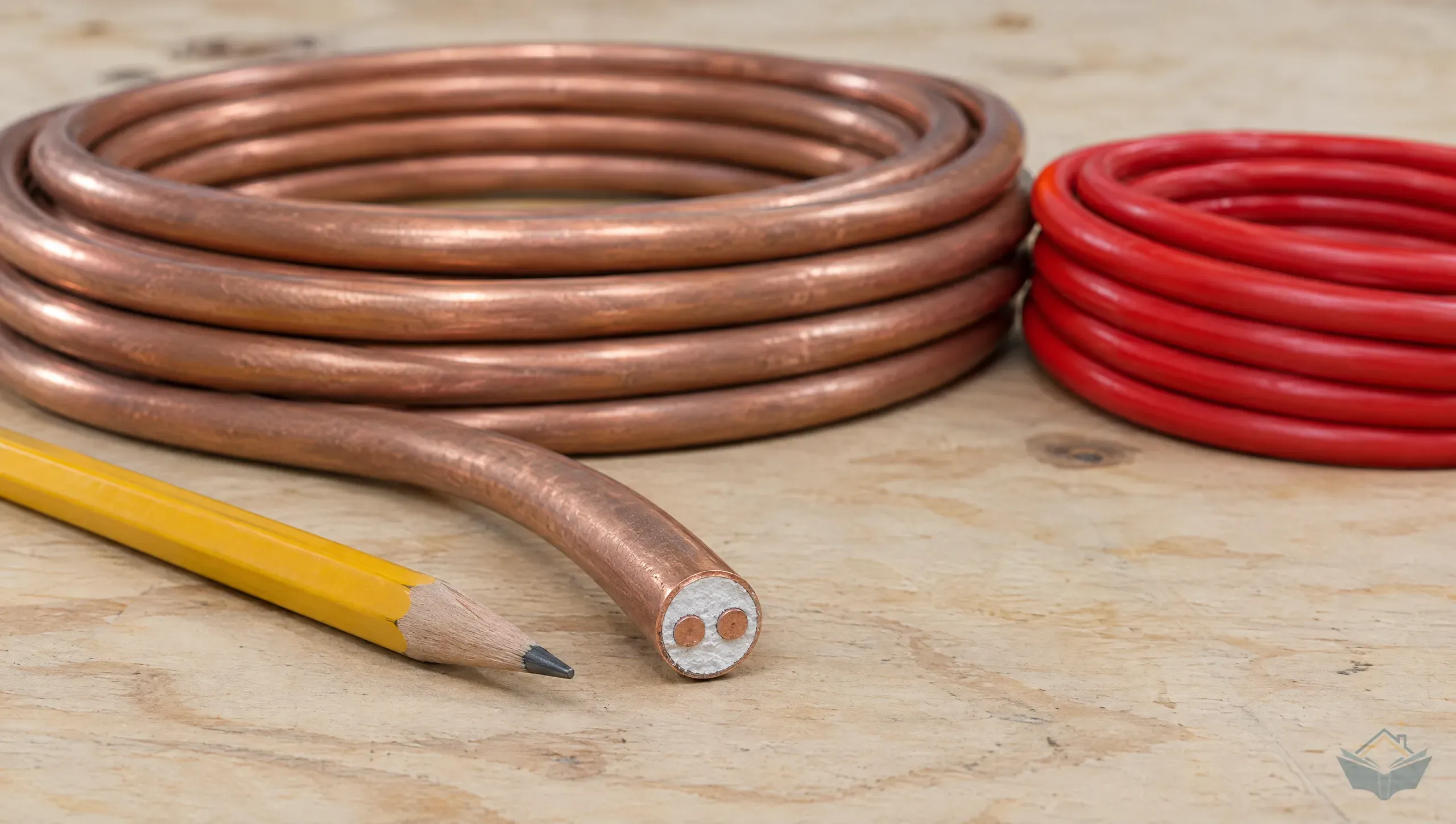
MICC Cable (Pyro): The Fire-Survival Cable Explained
What MICC cable is, how it works, where building control requires it, and why it costs far more than standard twin-and-earth wiring.
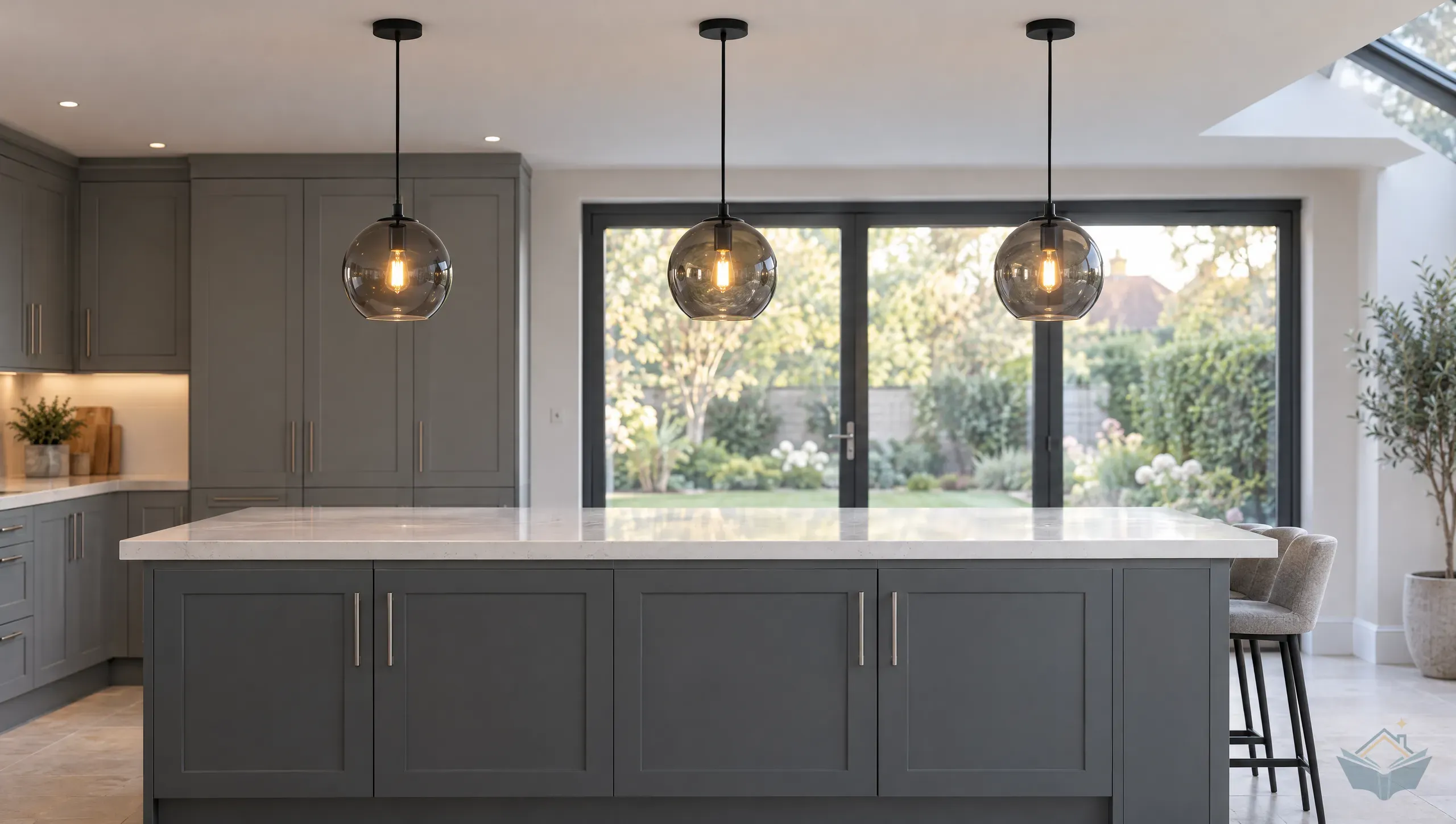
Pendant Light Fittings for Kitchen Islands: Height, Wiring and How to Choose
A UK guide to pendant light fittings over kitchen islands and dining areas: correct hanging height, ceiling rose vs track mounting, cable vs rod suspension, IP ratings, and wiring provisions at first fix.

RCBOs: The Protective Device That Stops One Fault Taking Out Your Whole House
UK guide to RCBOs: Type A vs Type B, circuit sizing, brand compatibility, Amendment 3 bidirectional rules, and indicative prices of £12 – £30 per device.

Socket Faceplates: Finishes, USB-C, and the Back Box Depth Trap
UK guide to socket faceplates: budget sockets at an indicative £2, BG Nexus brushed steel double sockets at £7 – £10, USB-C sockets, brand quality rankings, and how many you actually need per room.

Surge Protection Devices (SPDs): The BS 7671 Default Most Old Boards Don't Have
What an SPD does, why BS 7671 Amendment 2 made it the domestic default, Type 1 vs 2 vs 3 explained, and what to specify for your extension consumer unit.

Speaker Cable: Sizing, Types, and Running It First Fix
What speaker cable to buy, what CSA to run, and why AV installers always run it at first fix. OFC vs CCA, 1.5mm² vs 2.5mm², and the routing mistake that ruins ceiling audio.

SWA Cable: The Steel Wire Armoured Guide for Garden Rooms, Garages and Outdoor Circuits
Steel wire armoured cable for buried outdoor circuits explained: BS 5467, burial depth, CW glands, banjo earth tags, voltage drop, current ratings and prices by conductor size and coil or drum length.

Switch Faceplates: Gangs, Ways, Dimmers, and the LED Trap Nobody Warns You About
Light switch faceplates: 1-way vs 2-way, dimmer LED compatibility, smart switch neutral wire problem, an indicative LAP 1-gang 2-way switch price of £1.09, and every mistake to avoid.
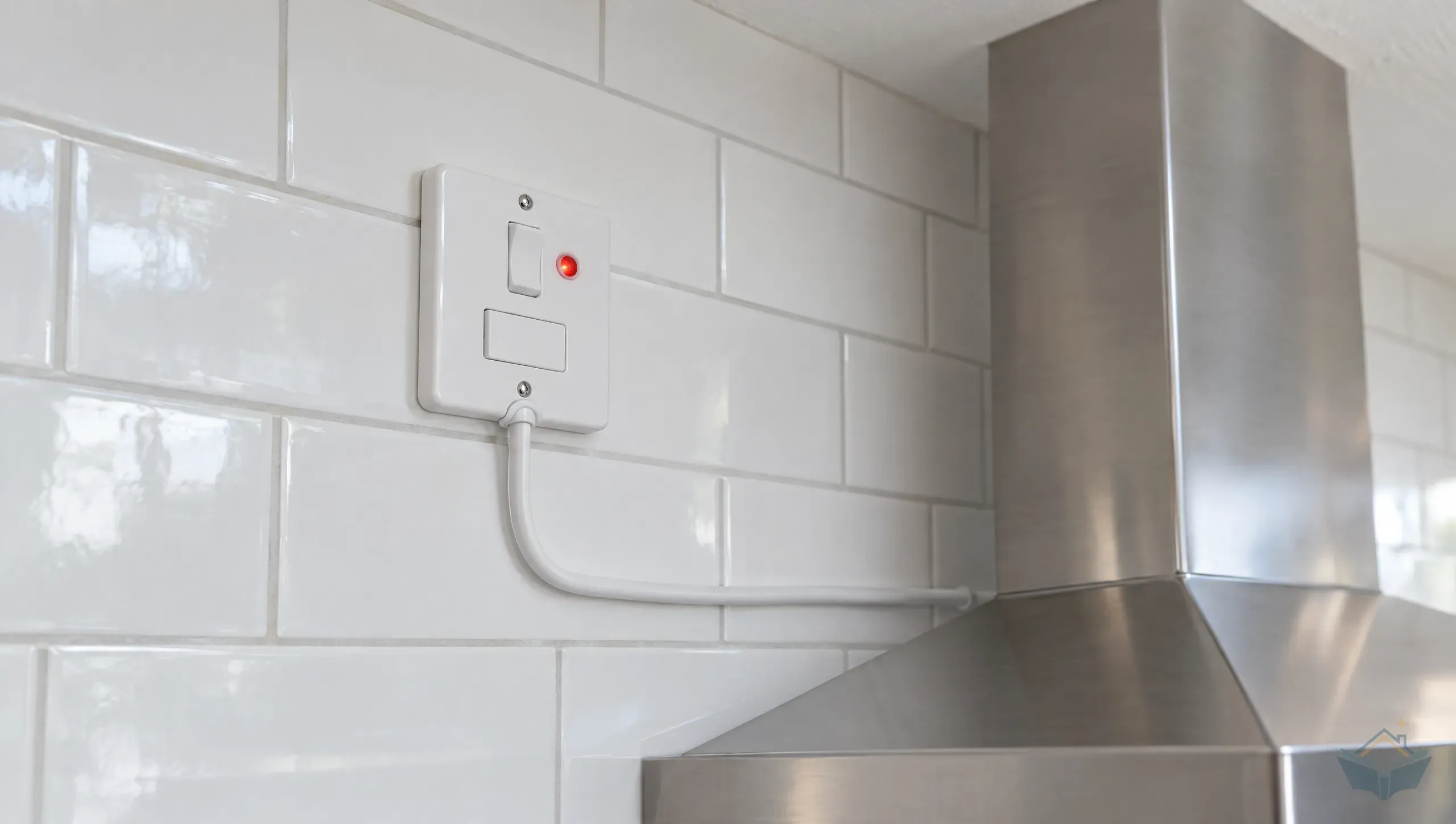
Switch Fuse and Fused Connection Unit (FCU): The Complete Guide
What a switch fuse and fused connection unit (FCU) are, the difference between 13A and 20A double-pole types, where each is used in an extension, and how to buy the right one.

1.5mm Twin and Earth Cable (6242Y): The UK Lighting Circuit Standard
1.5mm T&E cable for lighting circuits: what 6242Y means, indicative prices of £55 – £60 per 100m drum, brands, and the EPS insulation mistake that ruins cables.

2.5mm Twin and Earth Cable (6242Y): The UK Socket Circuit Standard
2.5mm T&E cable for socket circuits: ring vs radial explained, an indicative price of £81 per 100m drum, brands, and the derating trap in insulated walls.

4mm Twin and Earth Cable (6242Y): The Middle Cable for Long Radial Runs
When 2.5mm isn't enough and 6mm is overkill: 4mm T&E for kitchen island, garage and garden room circuits. Voltage drop maths, derating traps, indicative UK prices of £165 – £179 per 100m drum.

6mm Twin and Earth Cable (6242Y): Cooker and Shower Circuit Wiring
6mm T&E cable for cooker, hob, and shower circuits: when 6mm is enough vs 10mm, derating through insulation, indicative UK prices of £100 – £120 per 50m drum.

10mm Twin and Earth Cable (6242Y): When You Need It and Why
10mm T&E cable for big induction hobs and electric showers: when 10mm is required vs 6mm, indicative UK prices of £170 – £200 per 50m drum, and the back box trap that catches DIYers.
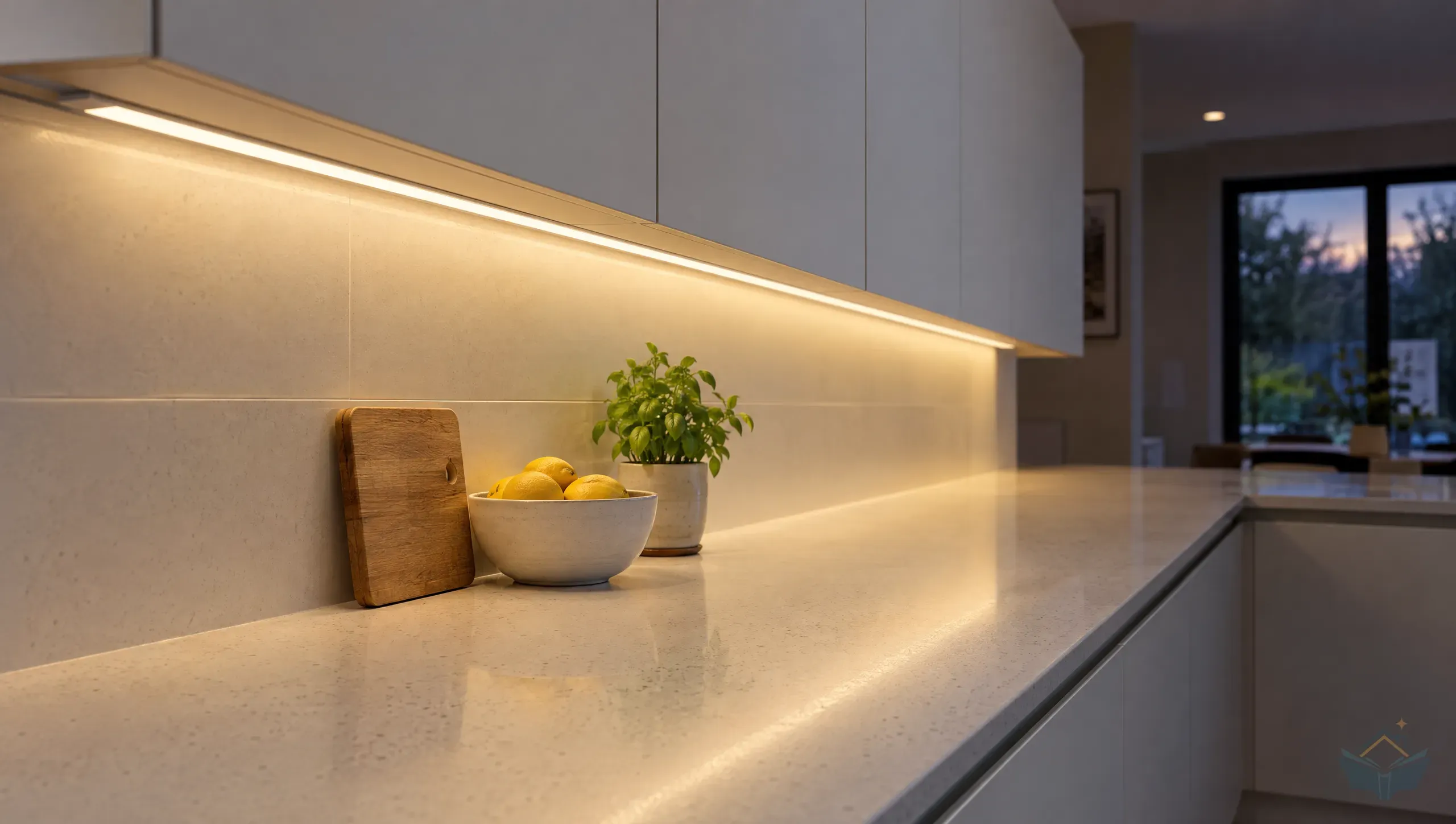
Under-Cabinet LED Strips for Kitchens: Worktop Lighting, IP Ratings and Wiring Done Right
A UK guide to under-cabinet LED strips: 12V vs 24V, IP65 for kitchens, CCT and colour rendering for task lighting, driver sizing, channels and diffusers, and what to wire at first fix.

USB Sockets: Wattage, Back Box Depth, and the Decision You Make Before First Fix
UK guide to USB charging sockets: USB-A vs USB-C, 12W to 63W tiers, back box depth requirements, retail pricing across white and brushed steel finishes, and the two electrical safety issues most homeowners never hear about.

Weatherproof Sockets: Outdoor IP66 and IP44 Sockets Explained
Outdoor sockets cost £10 – £30 for the unit, £85 – £215 installed. IP44 vs IP66 ratings, RCD rules, and how to spec one right.