
Masonry
Blocks, bricks, sand, cement, lime, and mortar for the walls and below-DPC groundwork of a domestic extension, covering the raw materials your bricklayer will use every day.
Masonry makes up the walls, piers, and substructure of your extension. Your bricklayer will work with these materials every single day of the build, and as the project manager, understanding what gets specified and why gives you the confidence to check deliveries, question substitutions, and spot problems before they are mortared in.
These guides cover the masonry products used in a domestic extension: the concrete blocks that form the inner leaf of a cavity wall, the facing bricks that match your existing house, the engineering bricks used below DPC where frost and moisture resistance matter, and the sand, cement, lime, and pre-mixed mortars that bond them all together. Each page explains what to look for on a delivery note, how much you need, and the common mistakes that cost money.
Where to start
Most of what building control checks on a cavity wall is not the bricks and blocks. It is the small components that keep water out of the inner leaf: cavity trays, weep vents, cavity closers, the DPC and wall ties. They are cheap and quick to fit, and they are the most common things to go missing when a job is rushed. Once the wall is up, they cannot be checked.
The guides, grouped by job
Blocks and bricks. 100mm dense blocks below DPC, 100mm aerated blocks for the inner leaf, 140mm blocks where the engineer calls for them, engineering bricks where frost and moisture resistance matter, and facing bricks to match your existing house. Order the facing bricks early: a close match can take weeks to source.
Mortar and its ingredients. Building sand, sharp sand, Portland cement, hydrated lime, mortar plasticiser, and premixed mortar for when mixing on site is not worth it. Plastering sand is here too, for sand and cement render.
Keeping the cavity dry. Polyethylene DPC, DPM jointing tape, cavity trays, weep vents, cavity closers, cavity boards to catch mortar droppings, and wall ties to tie the two leaves together.
Openings and loads. Lintels over doors and windows, padstones under the ends of steel beams, and frame sealant where frames meet the masonry.
Where these fit in the build
Masonry starts below ground in foundations and footings and the damp-proof course, then carries on through walls and blockwork and steels and lintels. If you want to check quantities against a quote, the blockwork quantity calculator works out blocks, sand and cement from your wall dimensions.
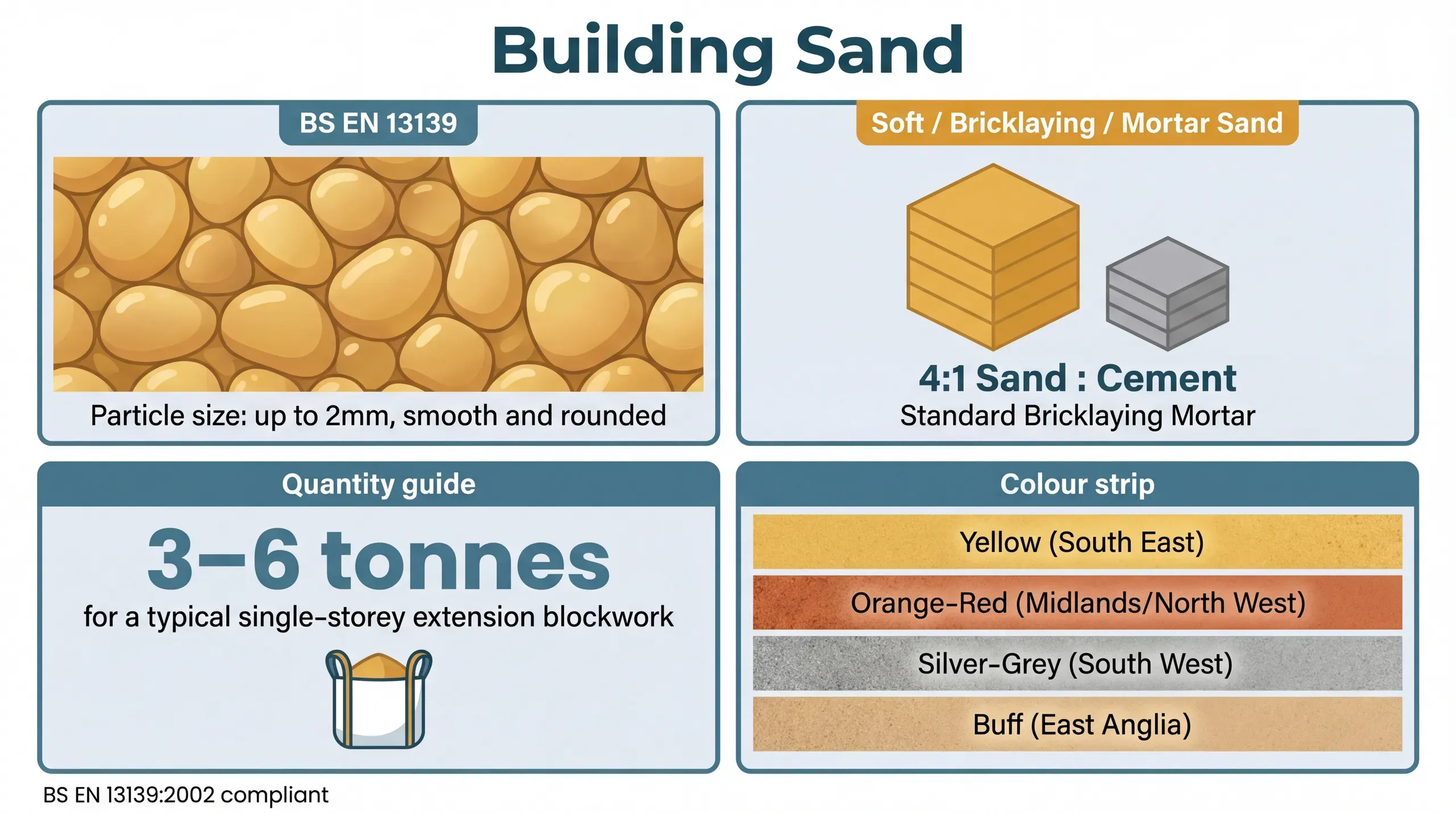
Building Sand: The Complete Guide for UK Homeowners
Everything you need to know about building sand for bricklaying and blockwork: mortar mix ratios, quantities, colour matching, delivery logistics, and common mistakes. UK 2026.

Cavity Boards: The Mortar-Catching Tool That Stops Damp Bridging Your Walls
UK guide to cavity boards: what they are, how to make one, why mortar in your cavity causes damp years later, and what building control will check at the structure inspection.
Cavity Closers: What They Are, Why You Need Them, and How Not to Get Them Wrong
UK guide to insulated cavity closers: what they do, fire-rated vs standard, current brands after Thermabate's discontinuation, prices, and first-fix installation.
Cavity Trays: What They Are, Where They Go, and Why Your Builder Cannot Skip Them
UK homeowner guide to preformed cavity trays: NHBC 2024 mandate, Type X vs Type E, weep vent spacing, prices, and the questions to ask your builder.
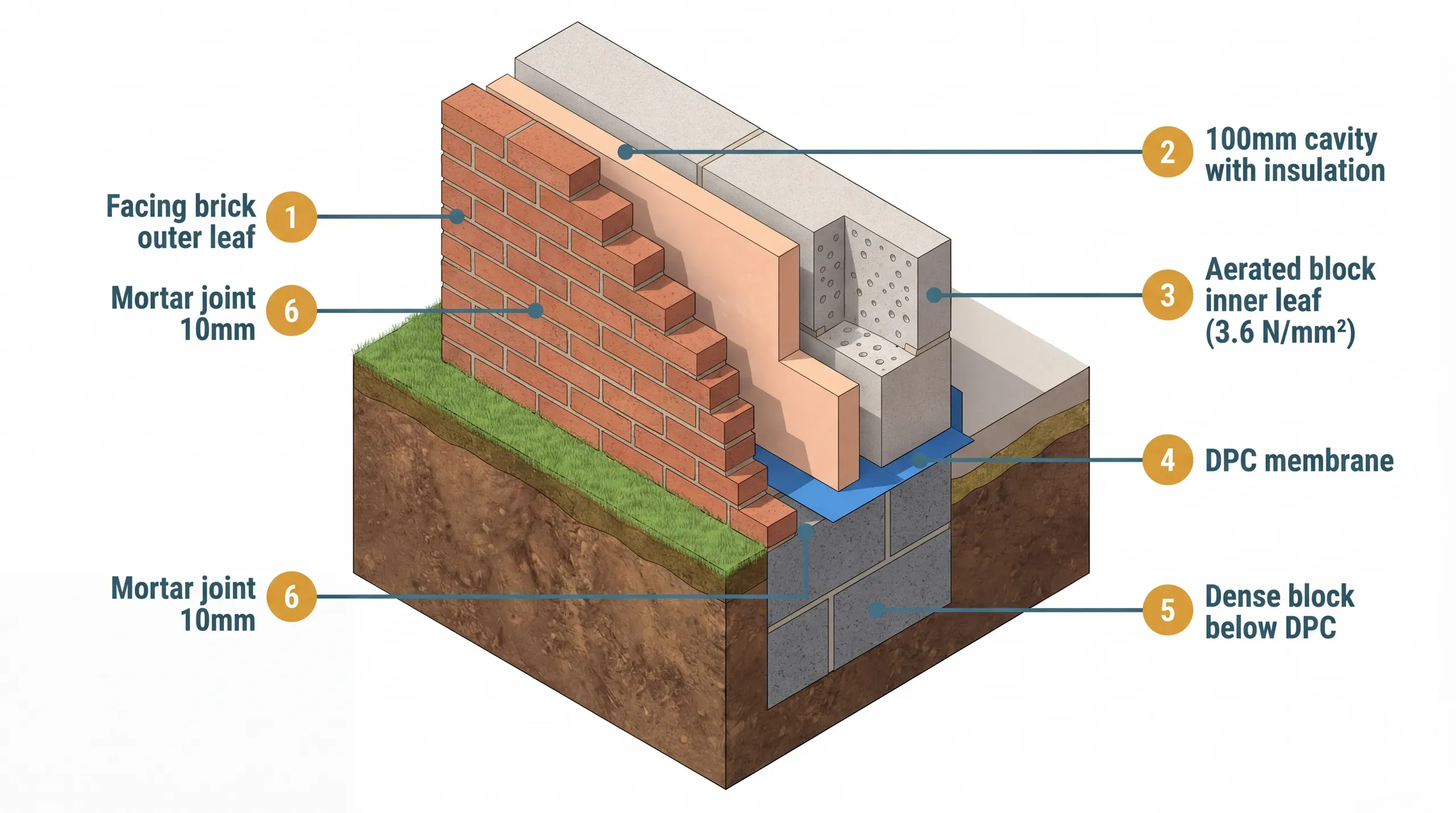
100mm Aerated Concrete Blocks: The Inner Leaf Workhorse Explained
Everything a UK homeowner needs to know about 100mm aerated blocks: specs, brands, weight, thermal performance, mortar mix, fixings, and the below-DPC rule that trips everyone up.
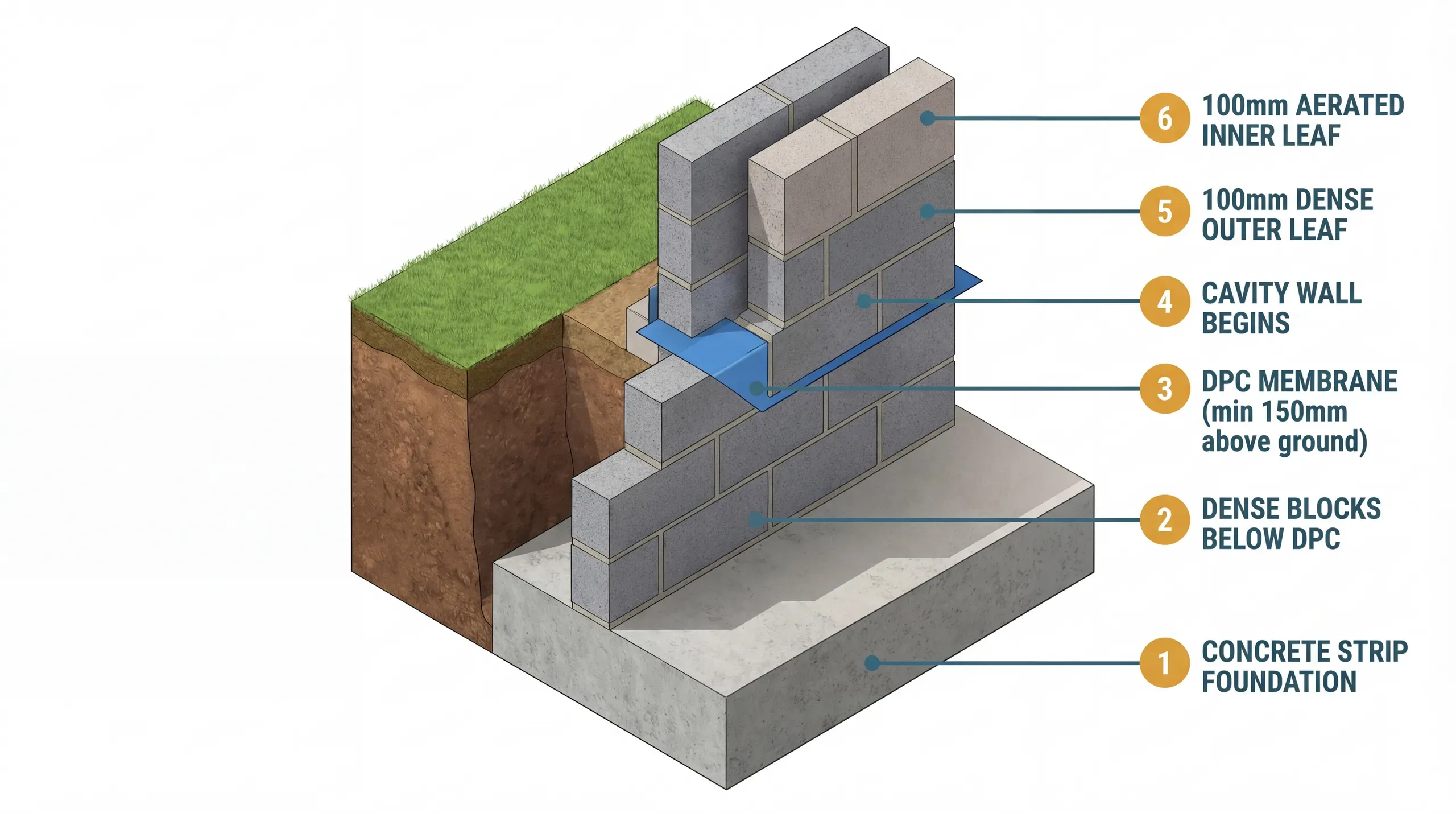
100mm Dense Concrete Blocks: The Below-DPC Workhorse Explained
Everything a UK homeowner needs to know about 100mm dense concrete blocks: specs, weight, blocks per m², where to use them, and the most common beginner mistake.
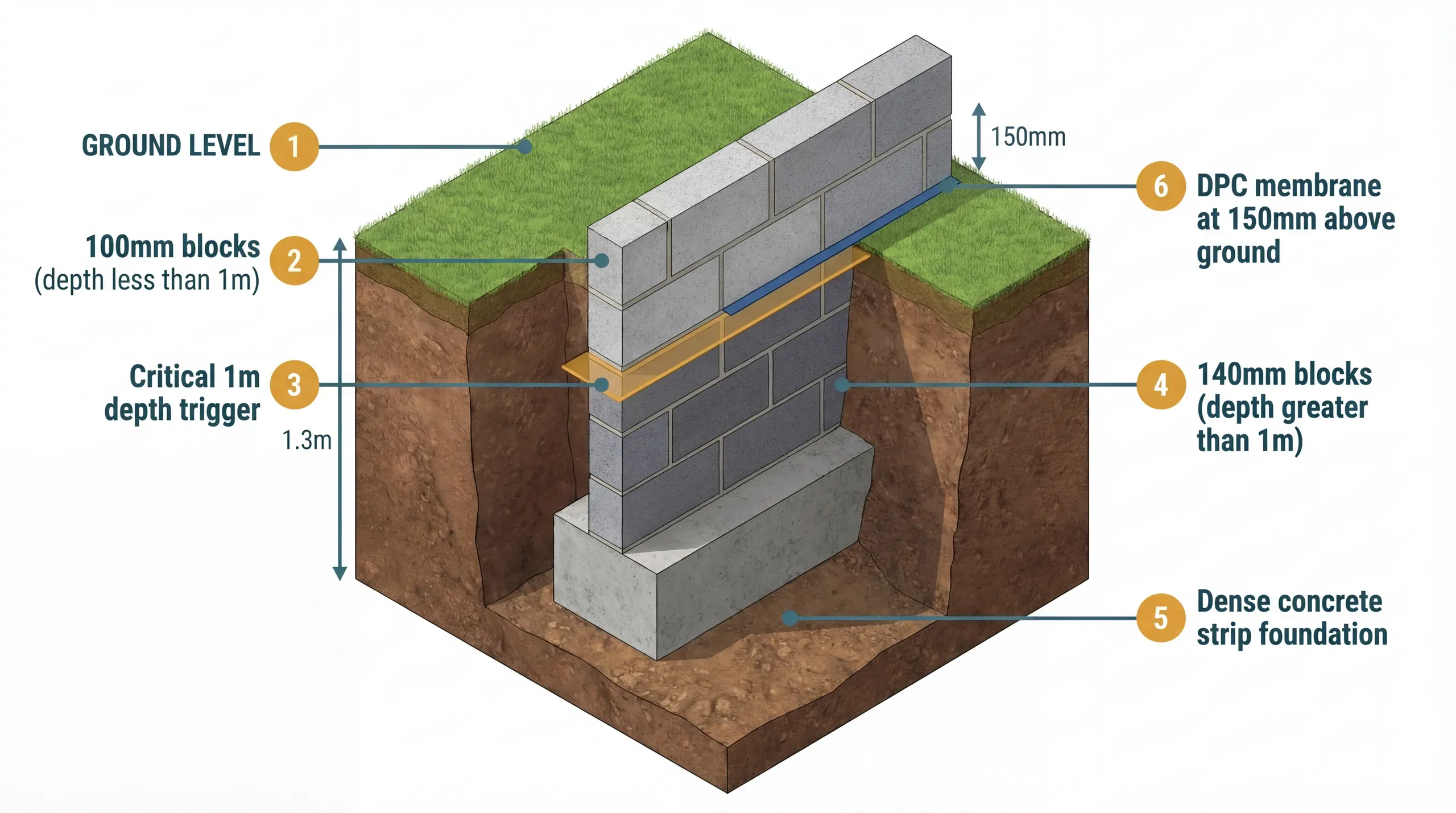
140mm Concrete Blocks: When Your Structural Engineer Upgrades from 100mm
Why structural engineers specify 140mm blocks, when the 1m foundation depth rule kicks in, how to handle 27kg blocks safely, and what to pay in 2026.
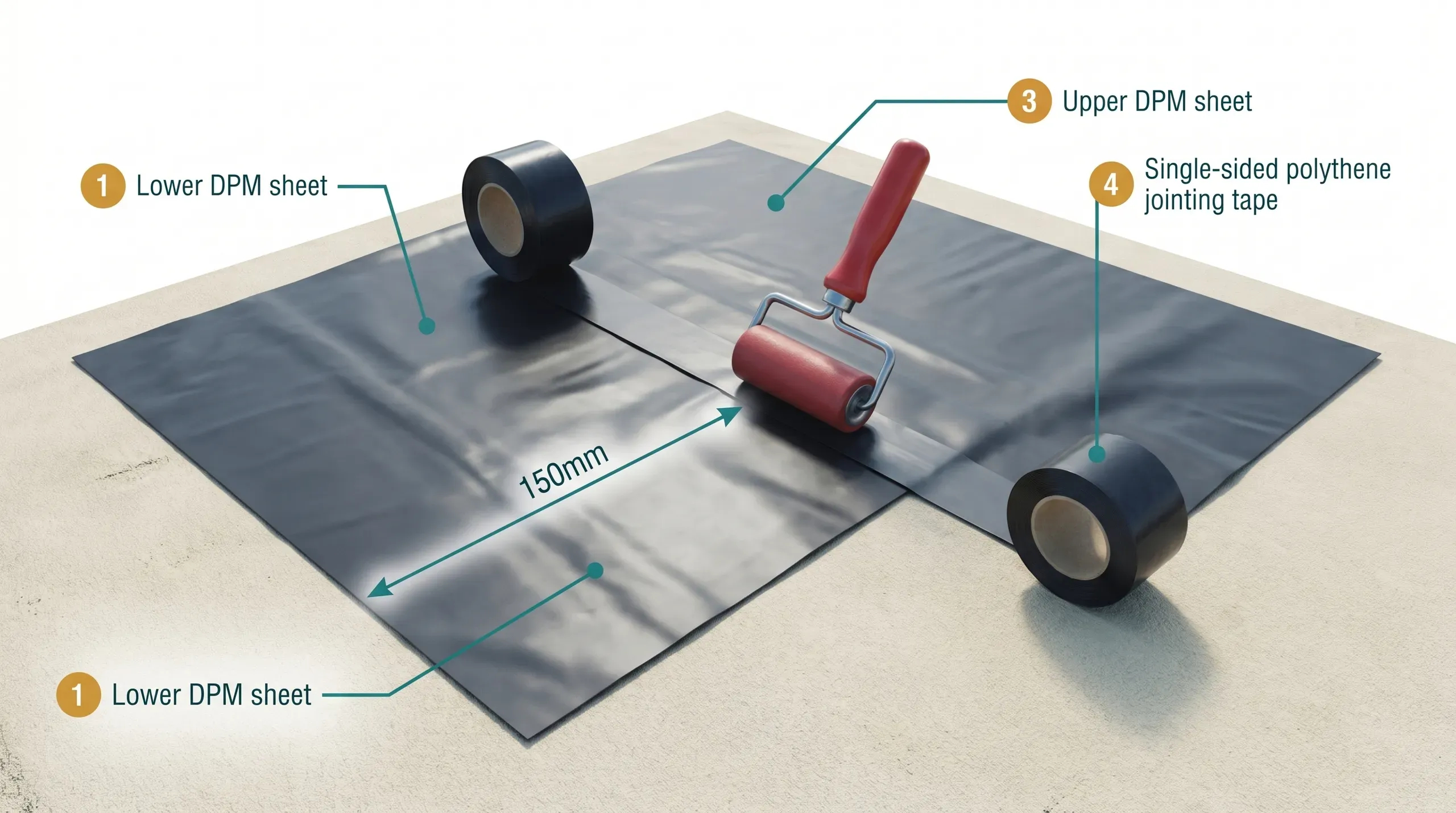
DPM Jointing Tape: How to Seal Damp Proof Membrane Joints Properly
The complete UK guide to DPM jointing tape: single-sided vs double-sided, why foil tape isn't a substitute, cold weather rules, radon zones, prices and brands.
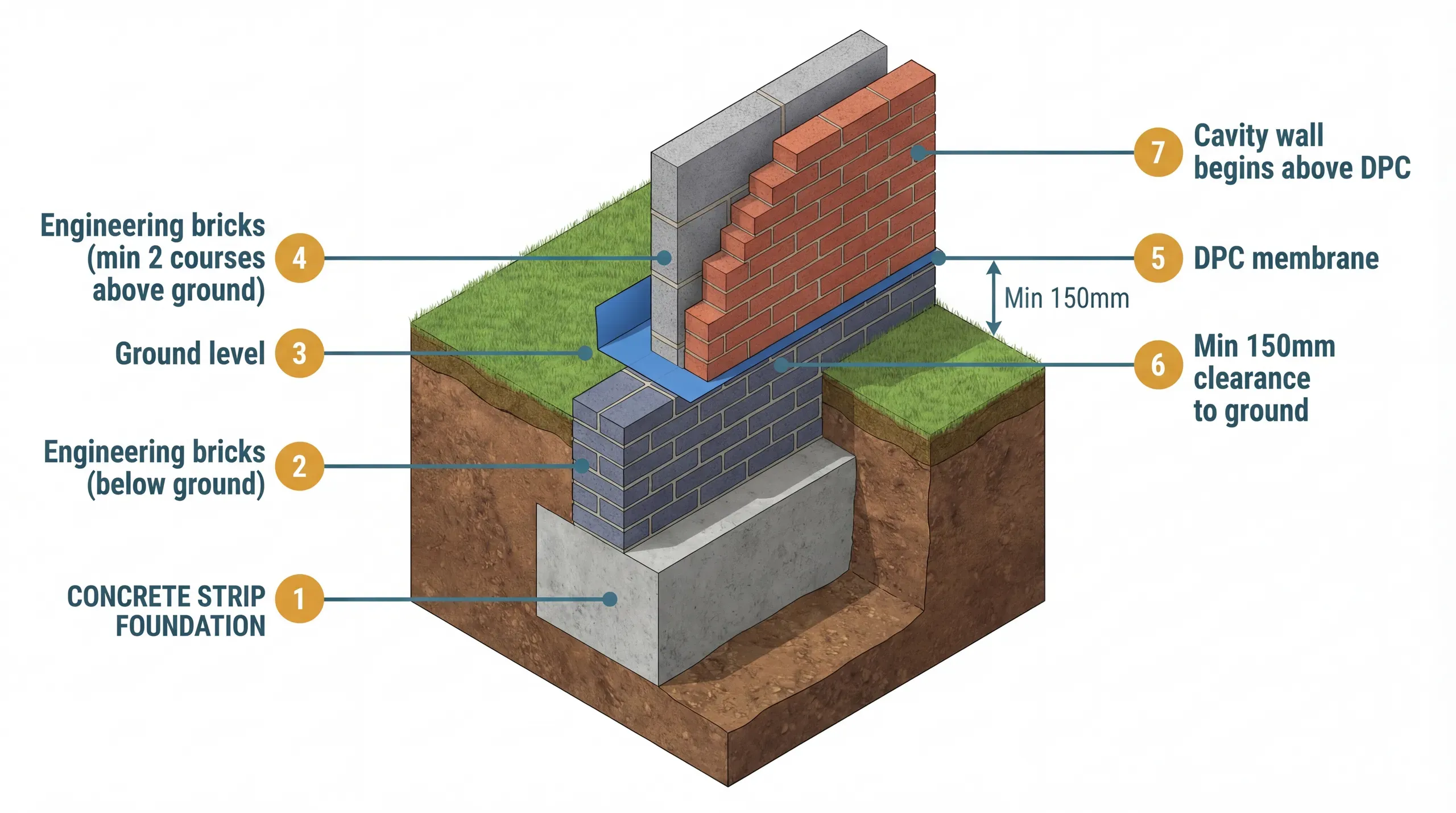
Engineering Bricks: Class A vs Class B, Where They Go, and How Many You Need
UK homeowner guide to engineering bricks: Class A vs B specs, mortar requirements, quantity calculations, and what building control will check below DPC.
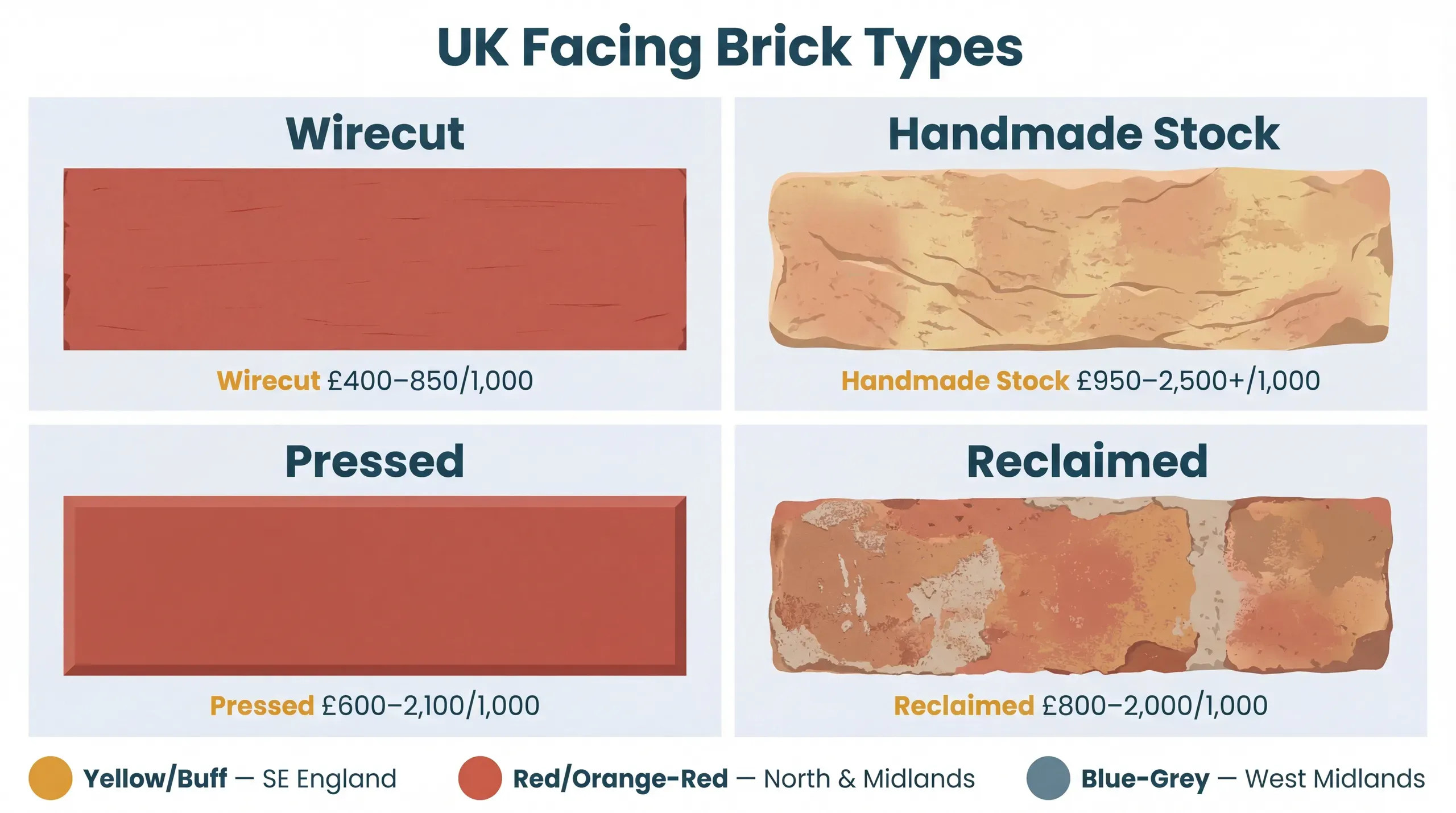
Facing Bricks: How to Choose, Match, and Order for Your Extension
The complete UK homeowner guide to facing bricks: brick types, frost ratings, matching existing brickwork, quantity calculations, and what to pay. Covers common beginner mistakes.
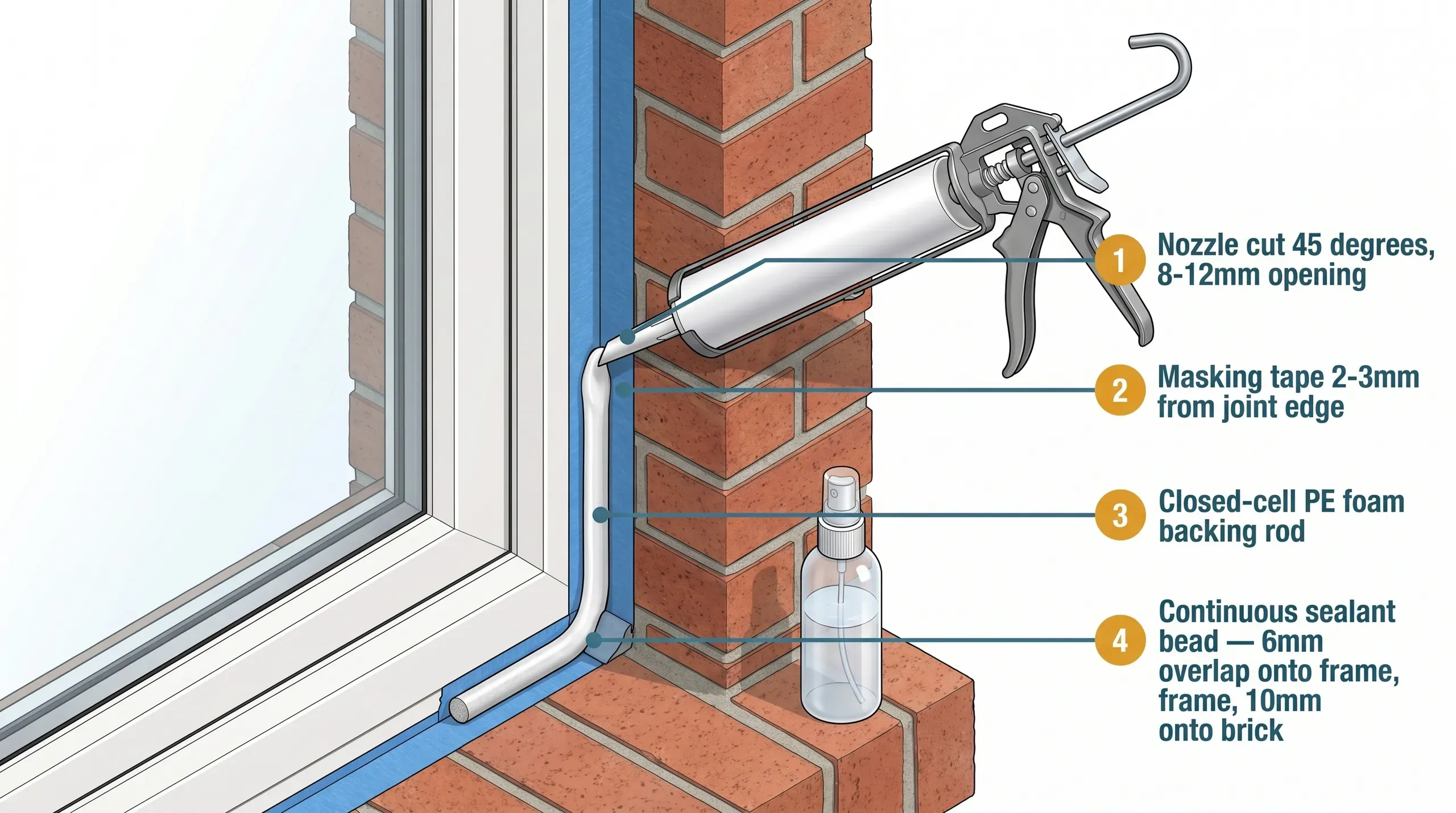
Frame Sealant: Acrylic, Silicone, or MS Polymer for UK Window and Door Perimeters
The complete UK guide to frame sealant: acrylic vs low-modulus silicone vs MS polymer hybrid, BS EN 15651 compliance, application technique, and the bath-silicone mistake.
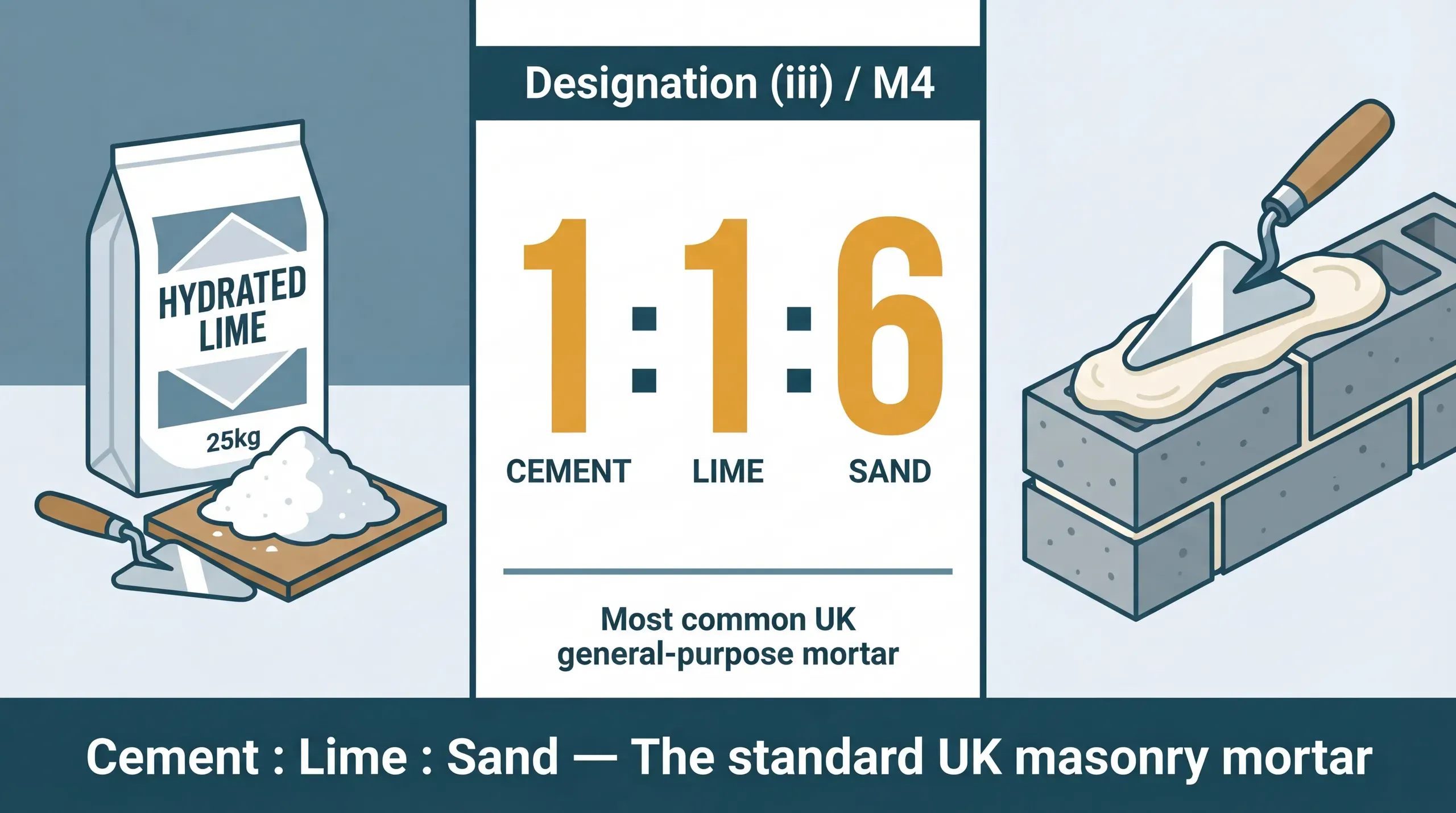
Hydrated Lime in Mortar: What It Is, Why It's Used, and When to Choose It
The complete guide to hydrated lime for UK construction: mix ratios, lime vs plasticiser, safety, storage, and why it's not the same as hydraulic lime.
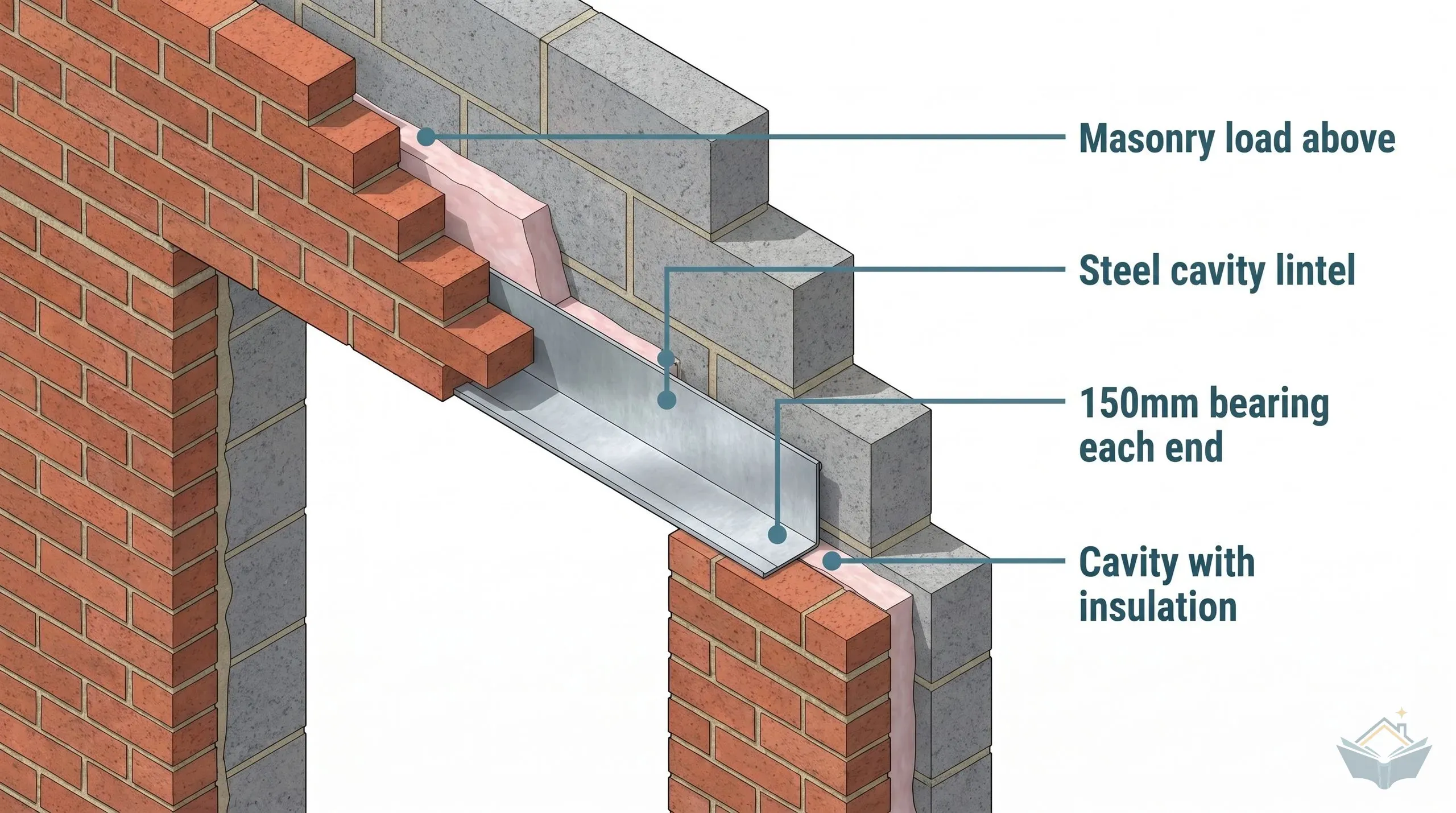
Lintels Explained: Types, Bearing, Cavity Trays, and the Upside-Down Mistake
UK homeowner guide to lintels: concrete vs steel cavity, who specifies them, the 150mm bearing rule, cavity trays and weepholes, and what building control checks.

Mortar Plasticiser: How It Works, Correct Dosage, and When Not to Use It
UK guide to mortar plasticiser: dosage in ml per bag, BS EN 934-3, NHBC rules, plasticiser vs lime, and the locations where 1:6 plus plasticiser will fail.
Padstones Explained: What They Are, Why Your Steel Beam Needs One, and What Building Control Checks
UK homeowner guide to padstones under steel beams: why they spread the load, the sizes a structural engineer specifies, minimum bearing, and what building control checks.
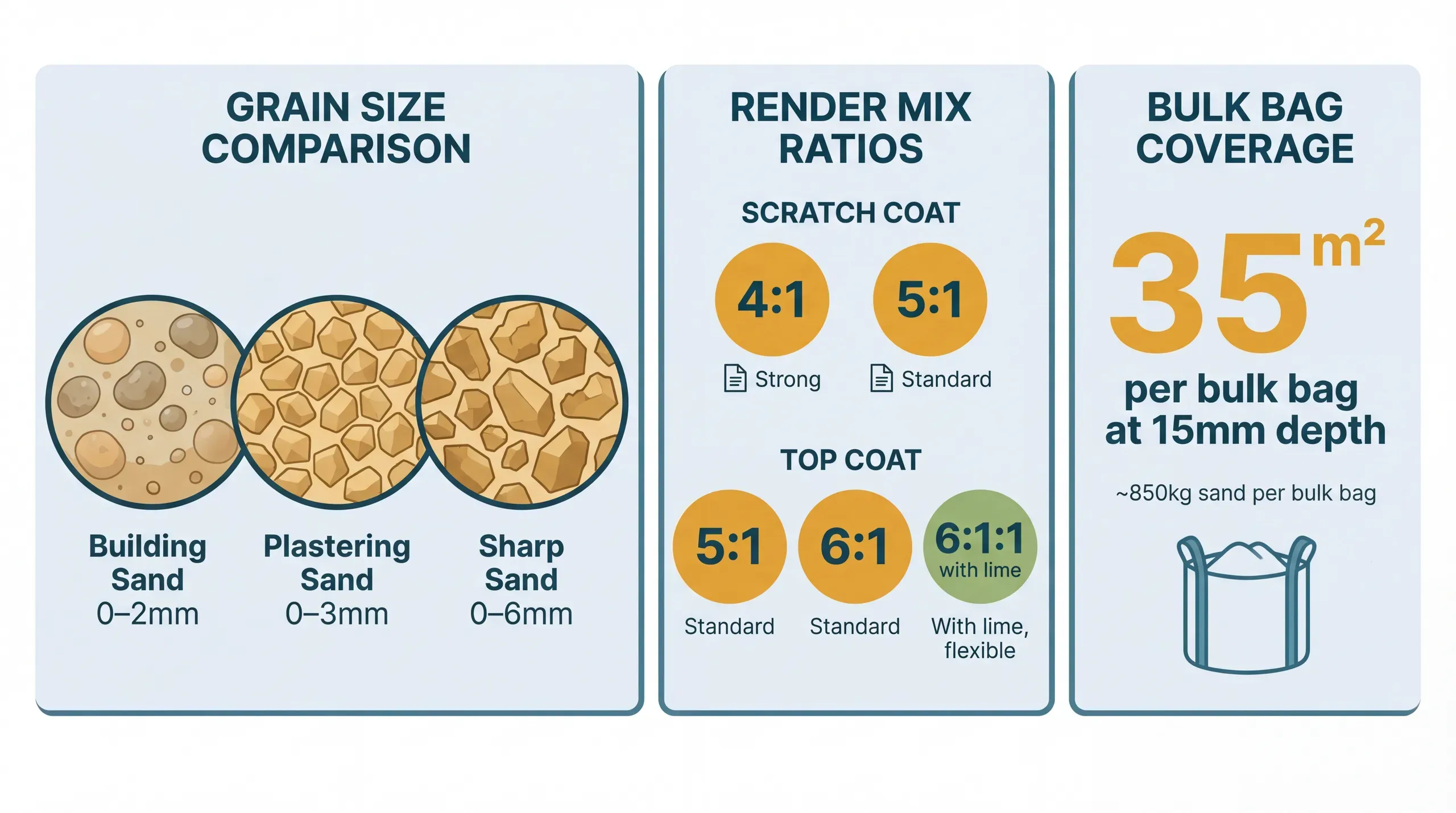
Plastering Sand: What It Is, How to Use It, and How Much You Need
The definitive UK guide to plastering sand (rendering sand): particle sizes, mix ratios, render coverage calculations, and where to buy. From £2.50 per 25kg bag.
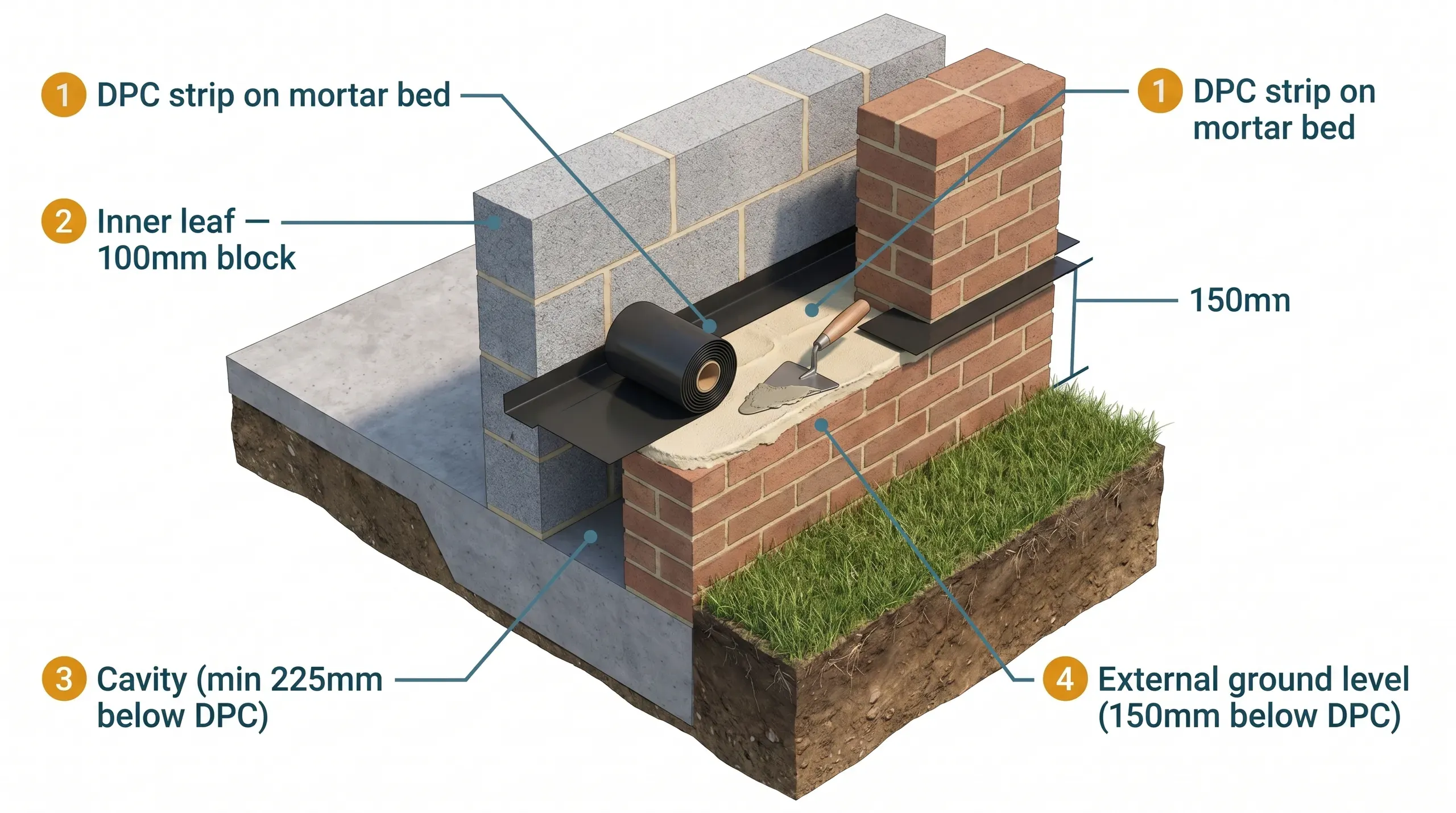
Polyethylene DPC Roll: Widths, Standards, and Installing It Without a Damp Bridge
How to choose, size, and install polyethylene damp-proof course on a UK extension. Widths, standards, NHBC rules, real retail prices, and the mistakes that cause damp.
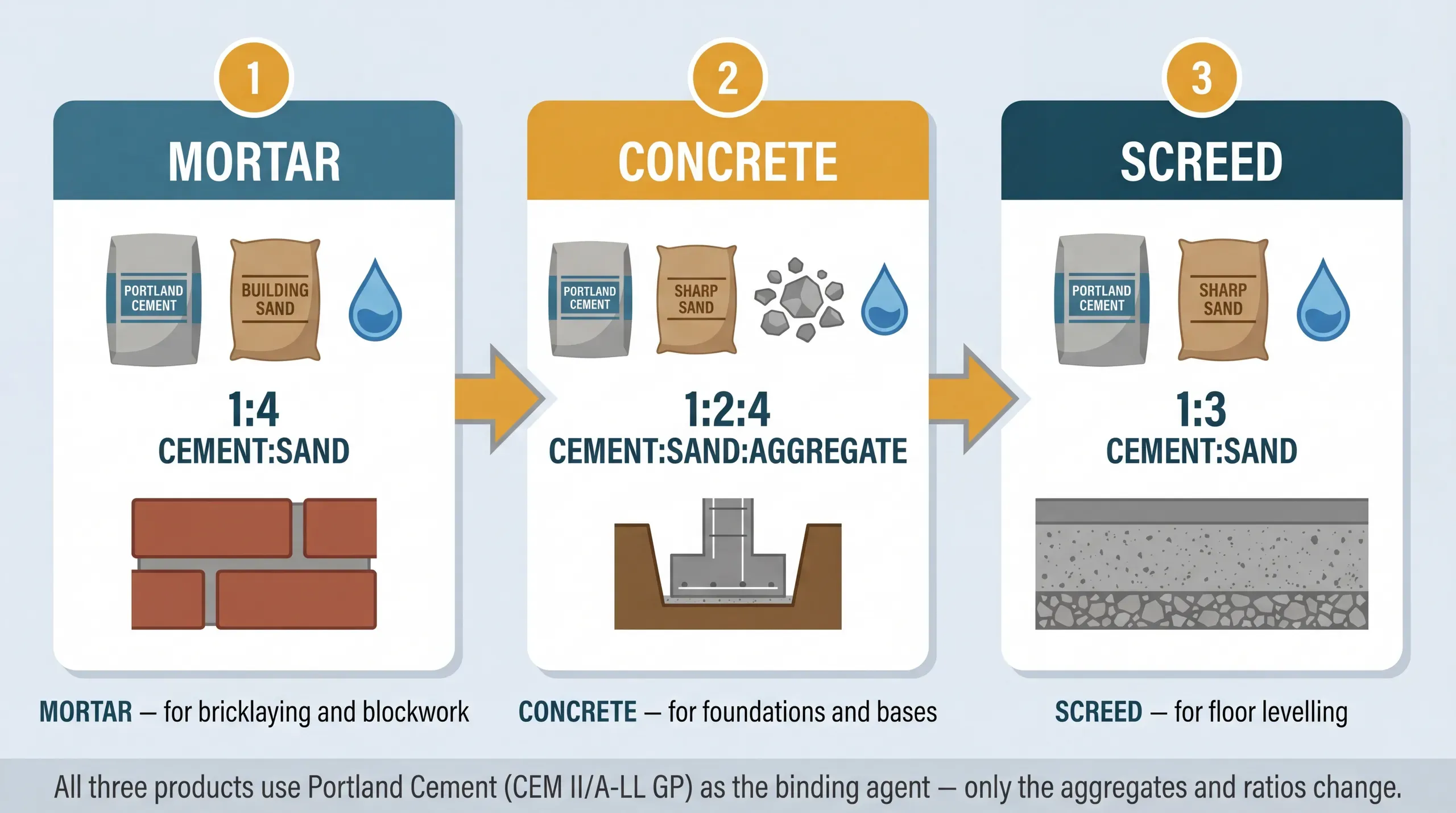
Portland Cement: What It Is, How to Use It, and How Much You Need
The definitive guide to Portland cement for UK homeowners: CEM I vs CEM II, mix ratios for mortar and concrete, how many bags per m², storage, safety, and current prices.
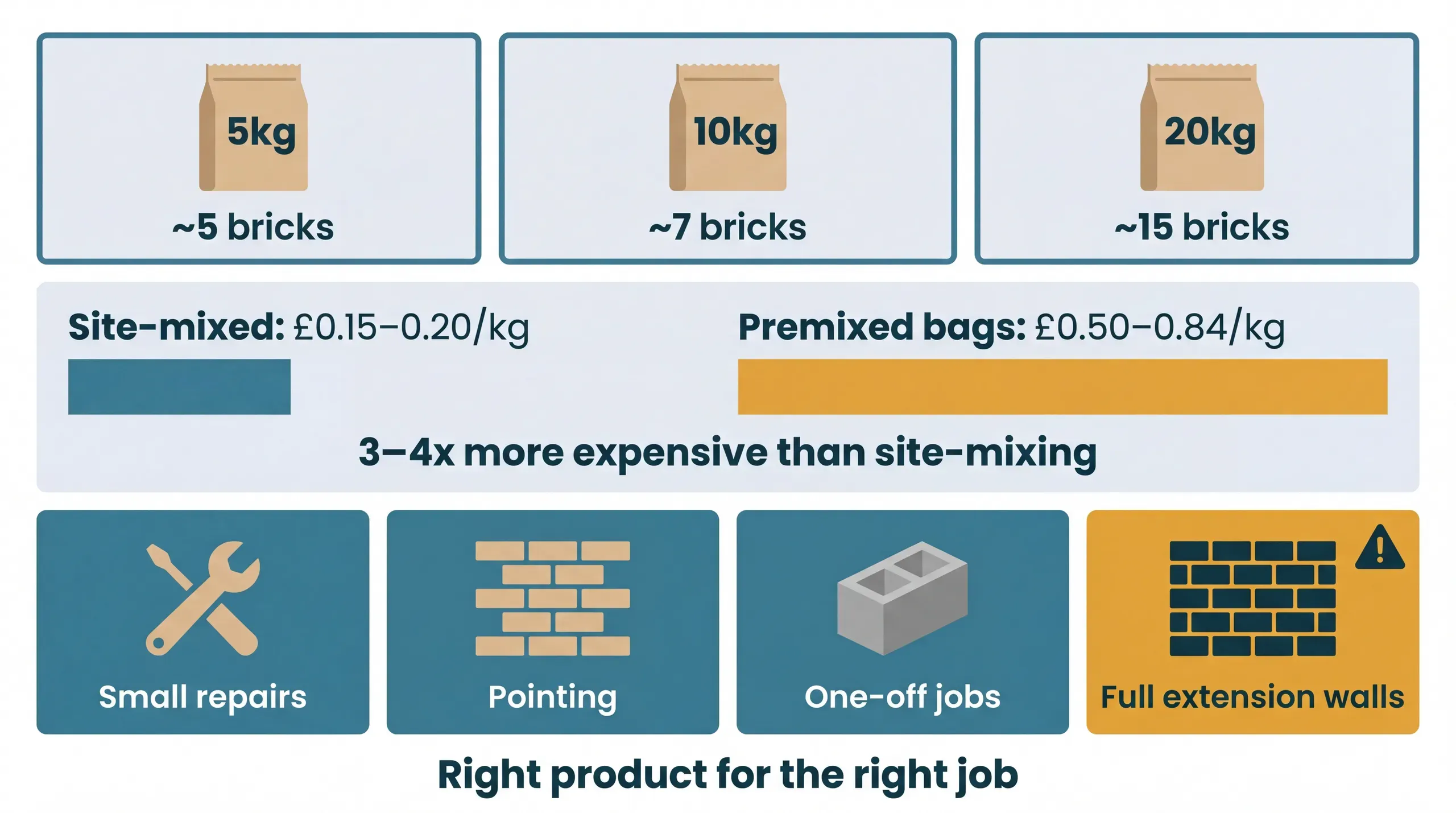
Premixed Mortar Bags: When to Use Them and When to Skip Them
UK guide to premixed mortar bags - coverage per bag, cost vs site-mixing, mortar classifications (M4/M6), when bags make sense, and the quantity trap that catches DIYers.
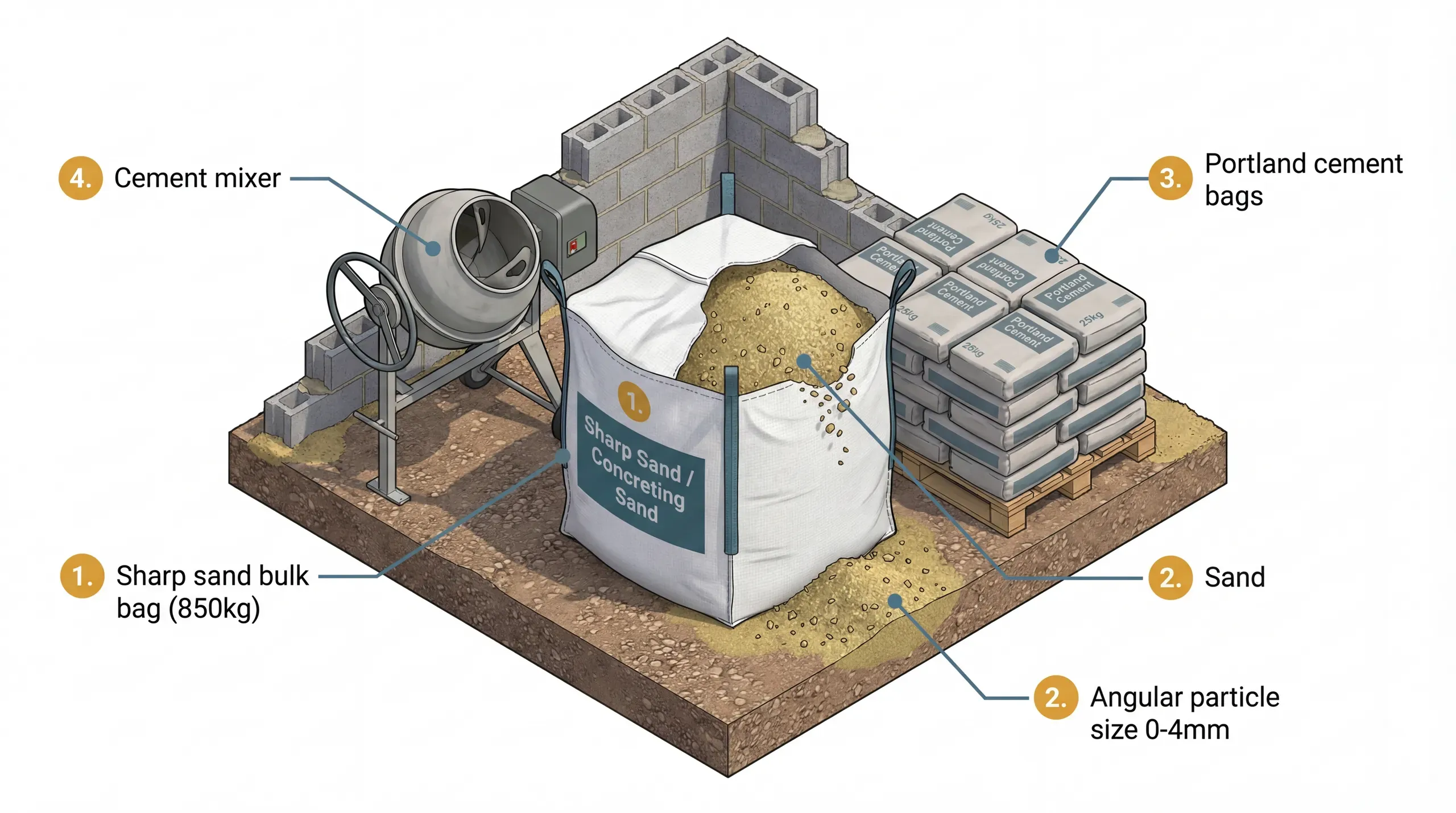
Sharp Sand: What It Is, What It's For, and How Much You Need
The definitive UK guide to sharp sand: concrete and screed mix ratios, quantity calculations by job type, bulk bag vs 25kg bags, and the beginner mistake that ruins floors.
Wall Ties: Types, Spacing, Embedment, What Building Control Checks
UK homeowner guide cavity wall ties: Type 1-4 selection, stainless steel grades, spacing, 50mm vs 65mm embedment rule, retrofit ties old houses.
Weep Vents: What They Do, Why They're Required, and How to Spot a Botched Job
The complete UK guide to weep vents: spacing rules, fire-safety updates, plastic vs stainless steel, and how to detect fake or missing vents on your build.