
Hand Tools
Non-powered tools for measuring, marking, striking, and finishing - the essentials every homeowner project manager needs on site from day one.
The tools your builder assumes you own, and the ones you'll reach for more than you expect.
As a homeowner project manager, you're not laying bricks or skimming plaster. But you need to check your builder's work, mark out layouts, and make decisions on site that depend on accurate measurements. You also need a few basic striking tools for demolition days and site prep.
Each guide explains what the tool does, how to use it properly, what to buy at each budget tier, and the accuracy checks that prevent expensive mistakes.
Where to start
If you buy nothing else, get a tape measure, a spirit level and a 2m straight edge. The tape and level let you check dimensions and levels against the drawings as the walls go up. The straight edge is how you check a finished wall or floor for flatness, which a level alone cannot tell you, and the guide sets out the tolerances to hold your builder to. Read the builder's line guide too, because it explains how a bricklayer keeps a wall straight and what a bowed course looks like.
The guides, grouped by job
Measuring and levelling. The tape measure, spirit level, digital spirit level for drainage falls, magnetic spirit level, torpedo level for tight first fix spots, 2m straight edge, plumb bob and builder's square.
Keeping brickwork straight. The builder's line and the three ways of holding it: line pins, corner blocks and tingle plates for long runs. A chalk line snaps straight lines onto floors and walls.
Bricklaying and pointing. The brick trowel, pointing trowel and brick jointer, which decides the finished profile of every mortar joint.
Striking, cutting and demolition. The claw hammer, club hammer, bolster chisel for cutting bricks and blocks, cold chisel and wrecking bar for lifting skirting and stripping out.
Plastering and finishing. The plastering hawk, plastering float, sealant gun and the clamps a kitchen fitter uses to pull worktop joints tight.
Where these fit in the build
Squares, lines and tapes earn their keep at setting out and through walls and blockwork. Hawks and floats belong to plastering, clamps and levels to kitchen installation, and the straight edge and level come out again for the snagging checklist.
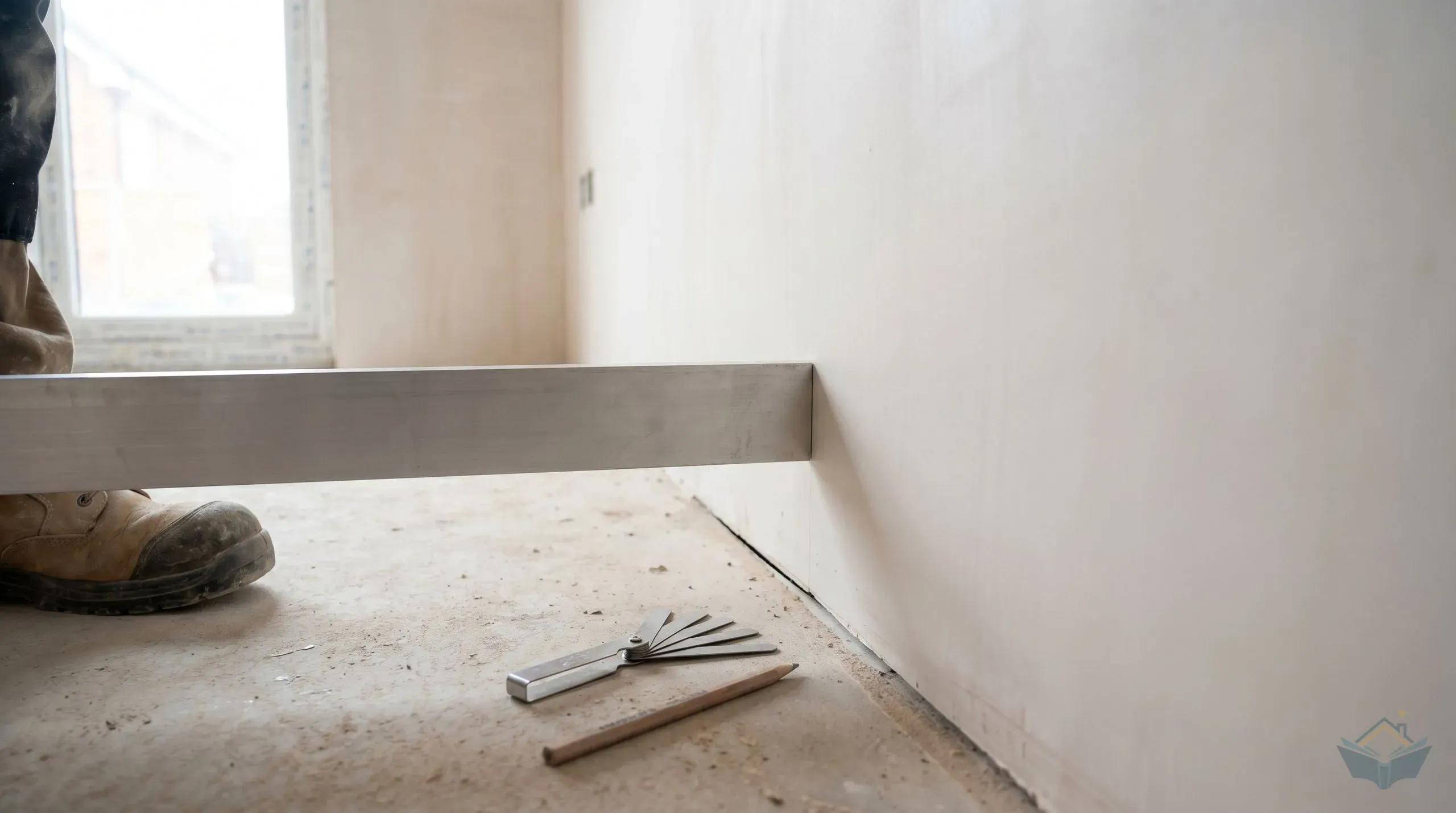
2m Straight Edge: Checking Walls and Floors Against NHBC Tolerances
Why a 2m straight edge is not the same as a spirit level, the NHBC ±3mm and ±5mm tolerances every homeowner should know, and what to buy from £35 upwards.
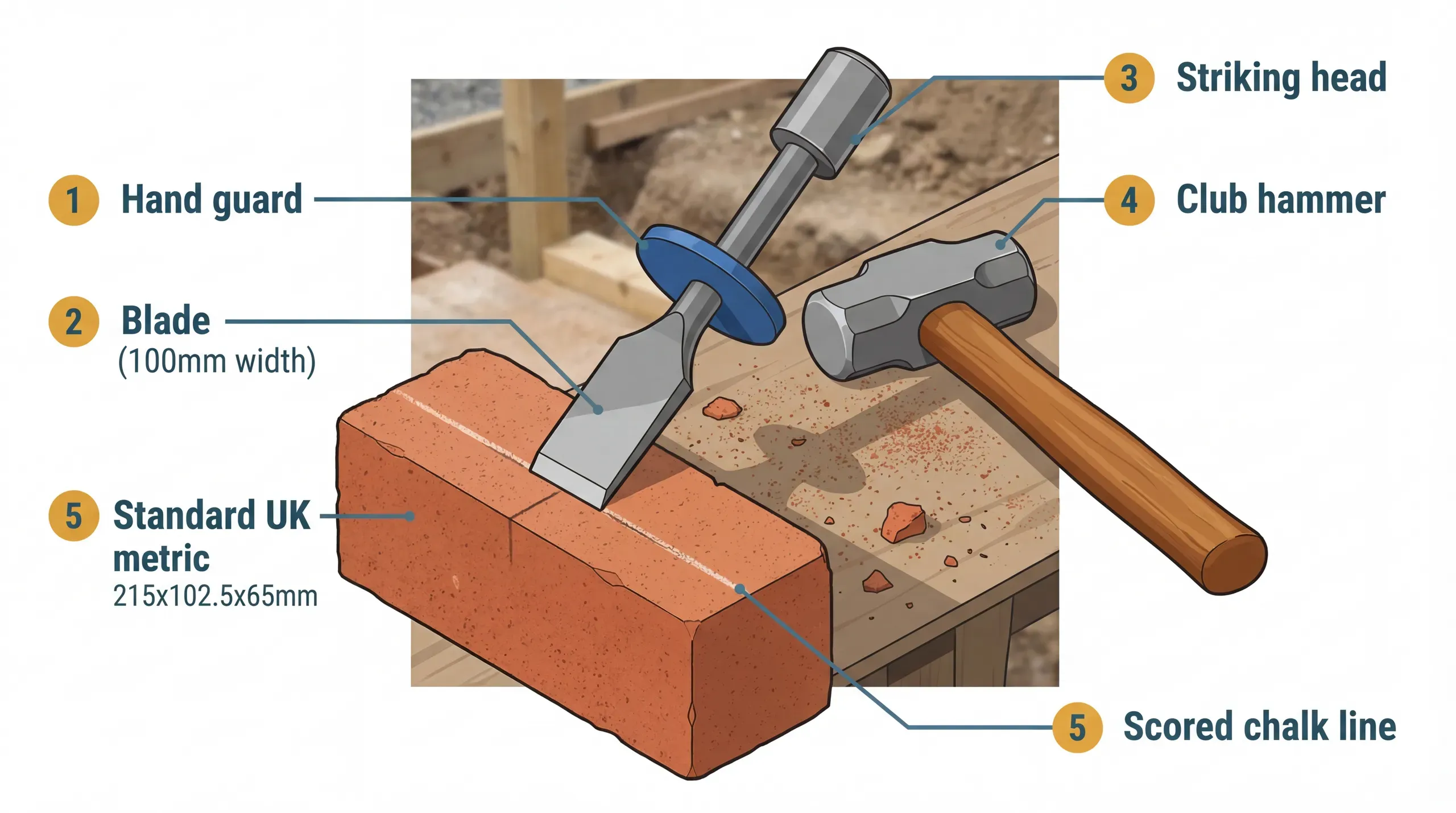
Bolster Chisels: How to Cut Bricks and Blocks by Hand
The UK guide to bolster chisels. Which size to buy, proper cutting technique, the mushrooming hazard nobody warns you about, and what to buy from £7 upwards.
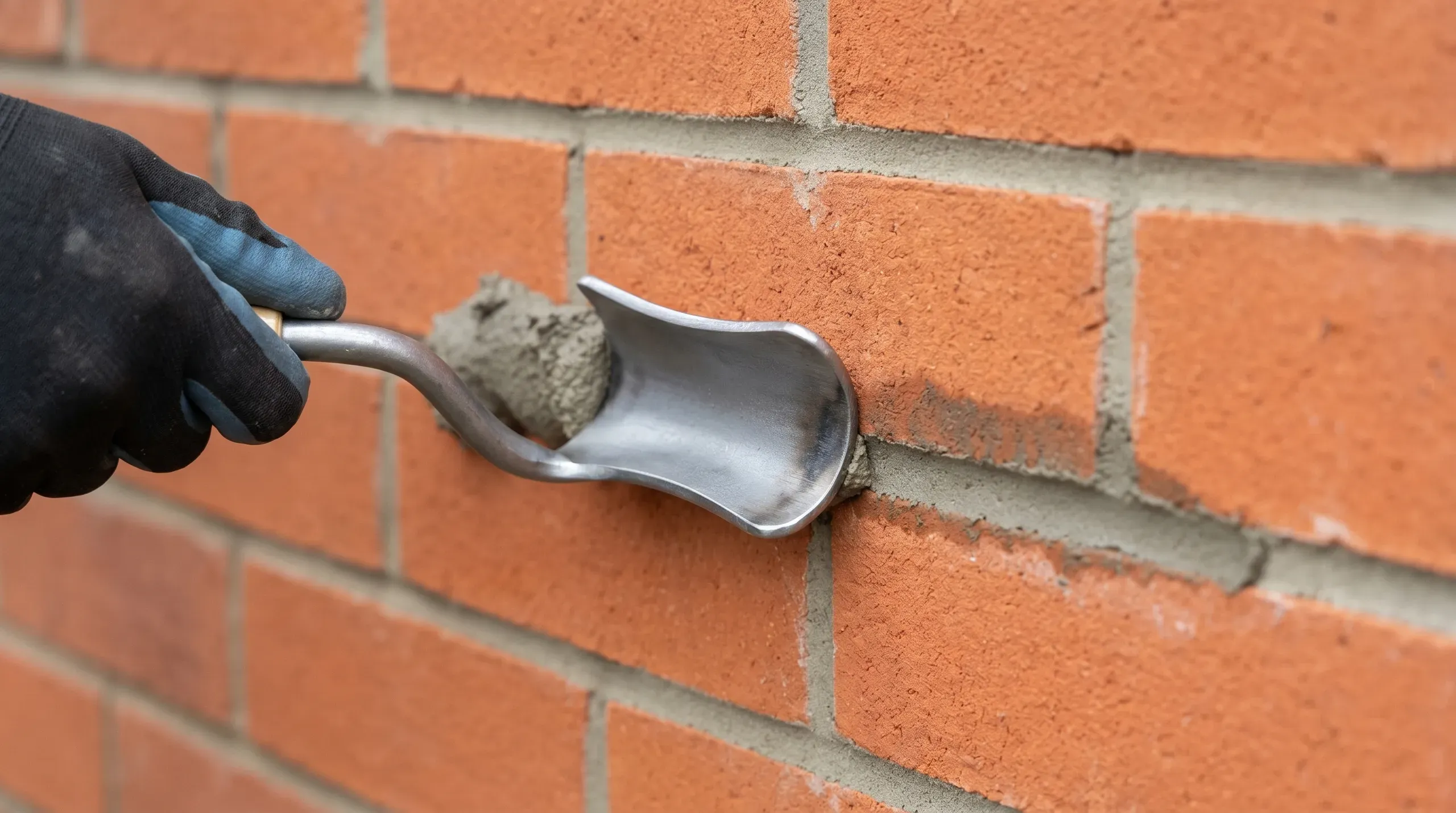
Brick Jointers: Which Profile, Which Size, and How to Use One
The UK guide to brick jointers. Bucket handle vs weather struck vs V-joint, matching a jointer to a 10mm joint, and why the Ragni model is not what most homeowners think.
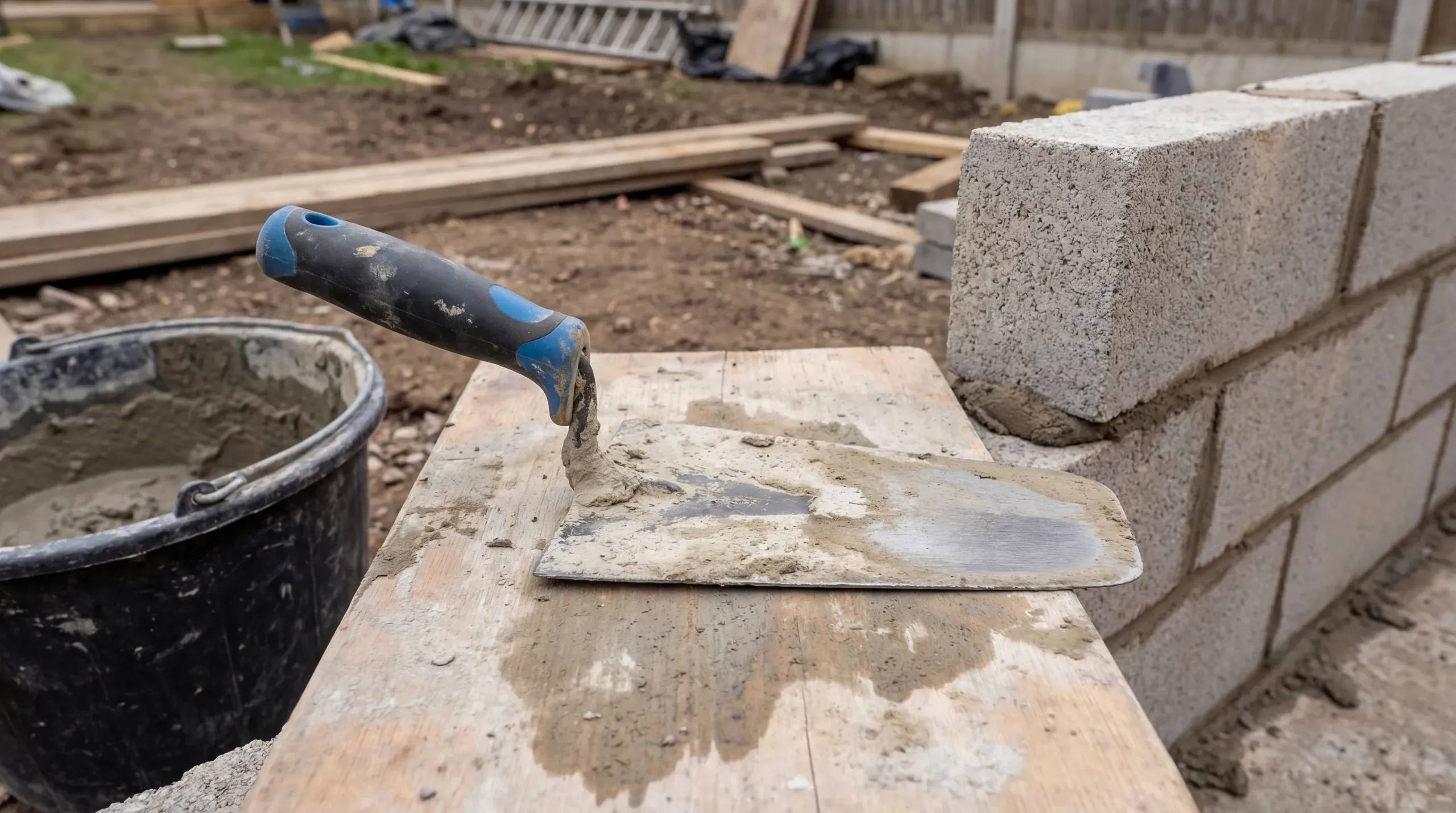
Brick Trowels: Patterns, Sizes, and How to Use One Properly
The UK guide to brick trowels. London vs Philadelphia patterns, which size to start with, proper technique, and what to buy from £11 upwards.
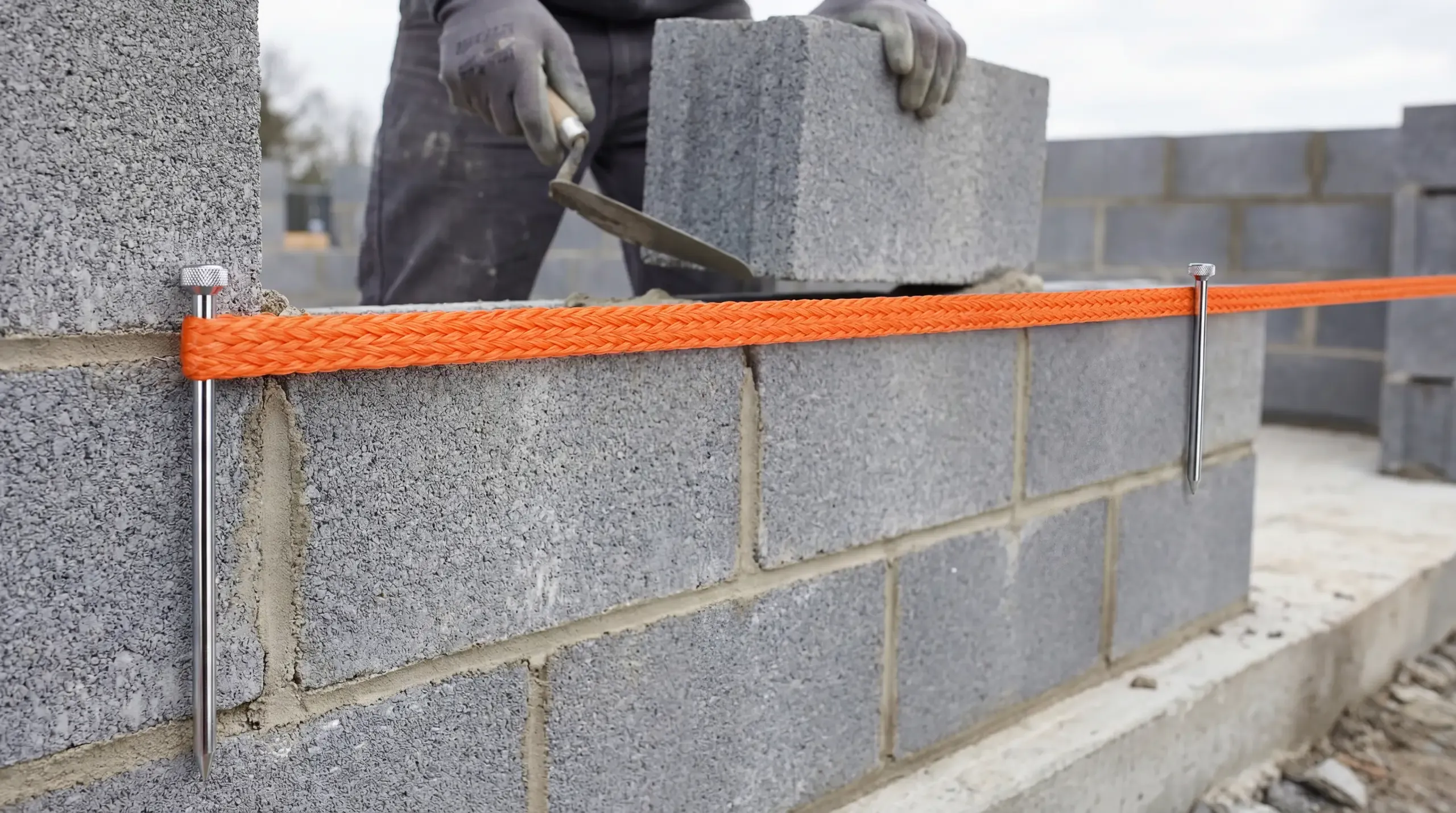
Builder's Line: How to Keep Brickwork Straight (and the One Mistake That Bows Every Beginner's Wall)
The UK guide to builder's line. Line pins vs corner blocks, the 4-metre sag rule, tingle plates, and what to buy from £4.90 – £5.99 upwards.
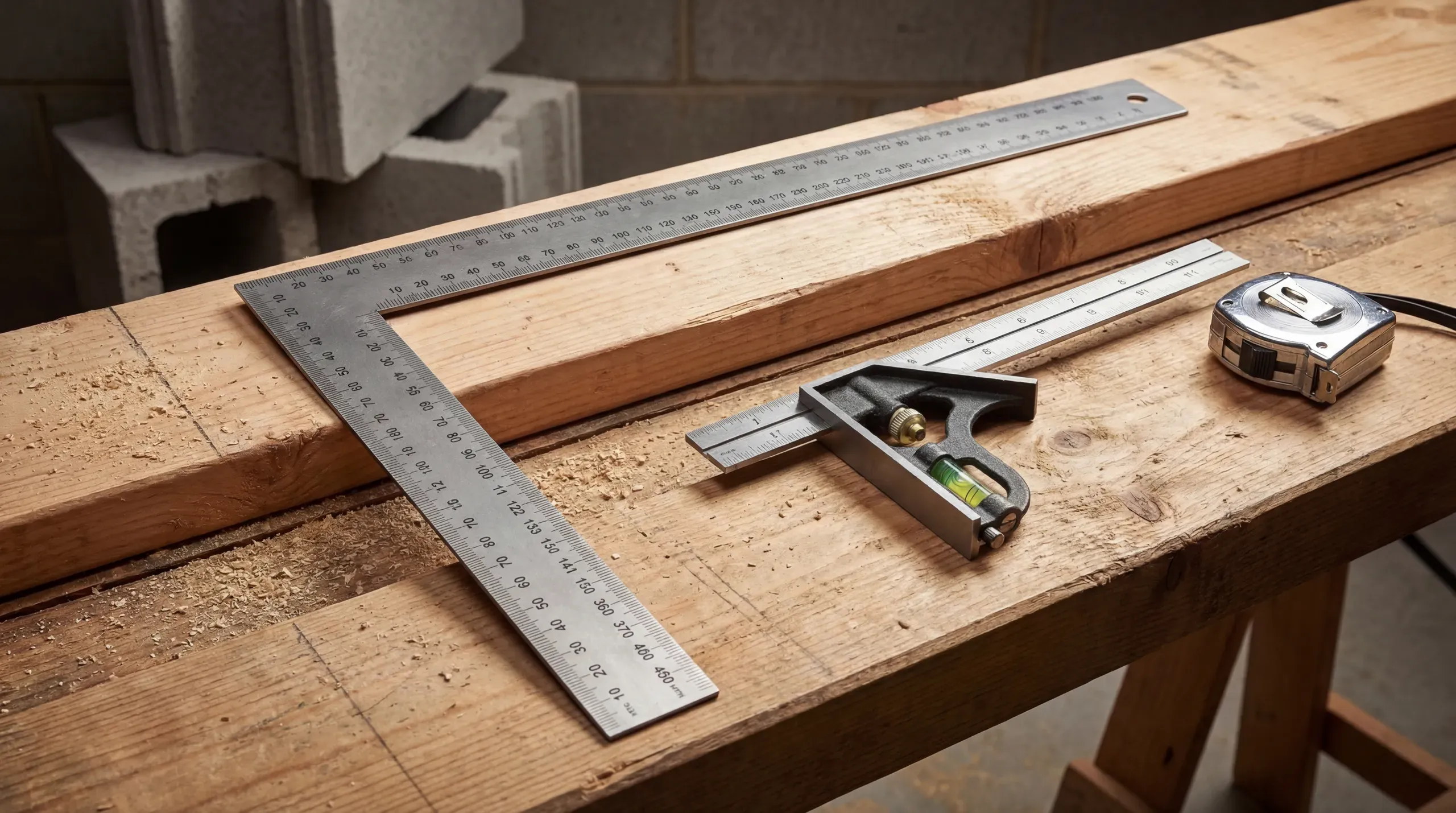
Builder's Squares: Which Type You Need, How to Check It, and What to Buy
The UK guide to squares for construction. Framing squares, combination squares, speed squares - which to buy from £6, how to test accuracy, and the 3-4-5 method.
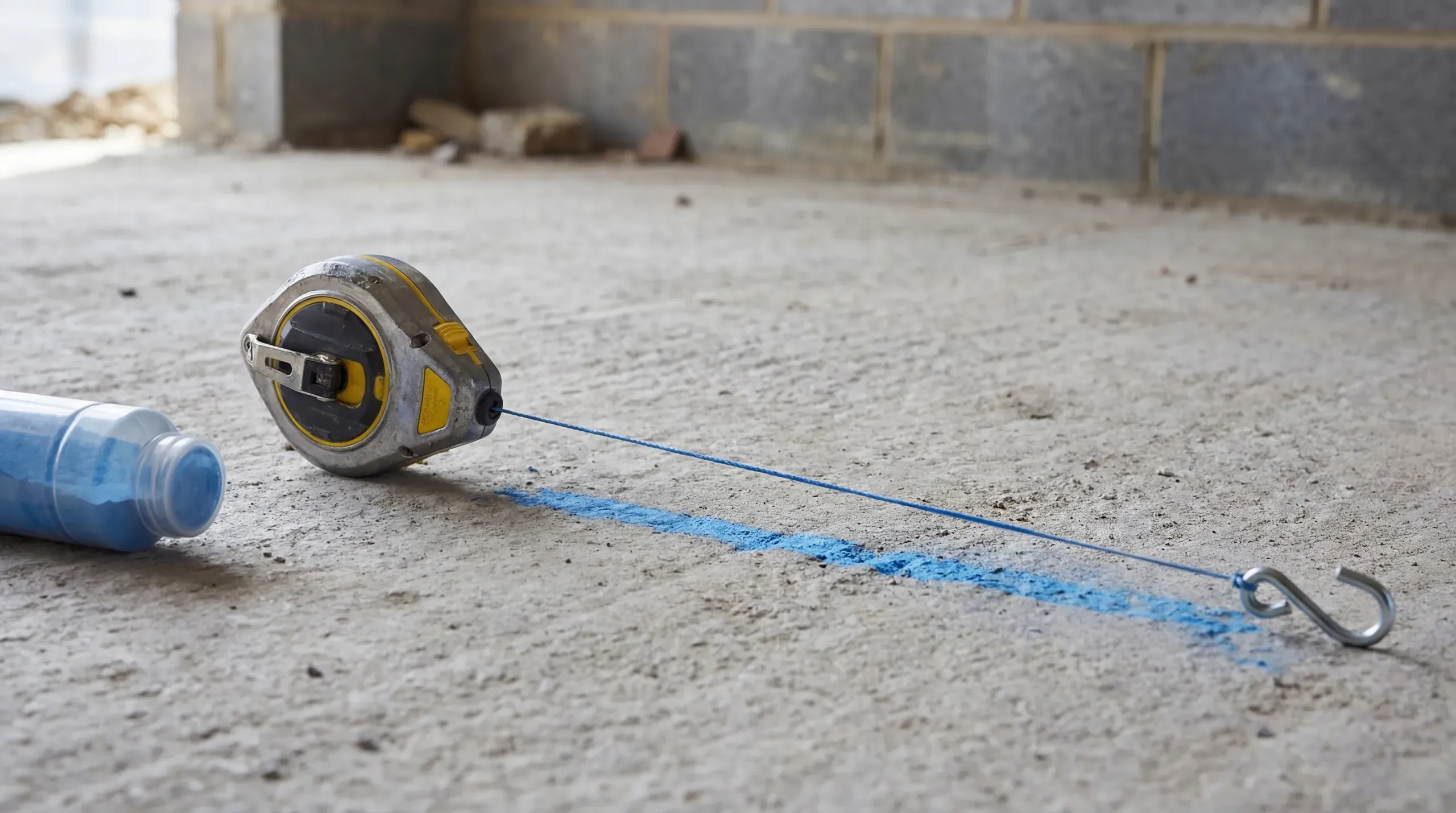
Chalk Lines: How to Snap Straight Lines Every Time (and Which Chalk Won't Stain Your Floor)
The UK guide to chalk lines. How to snap solo, which chalk colour to use where, and what to buy from £5 – £10 upwards.
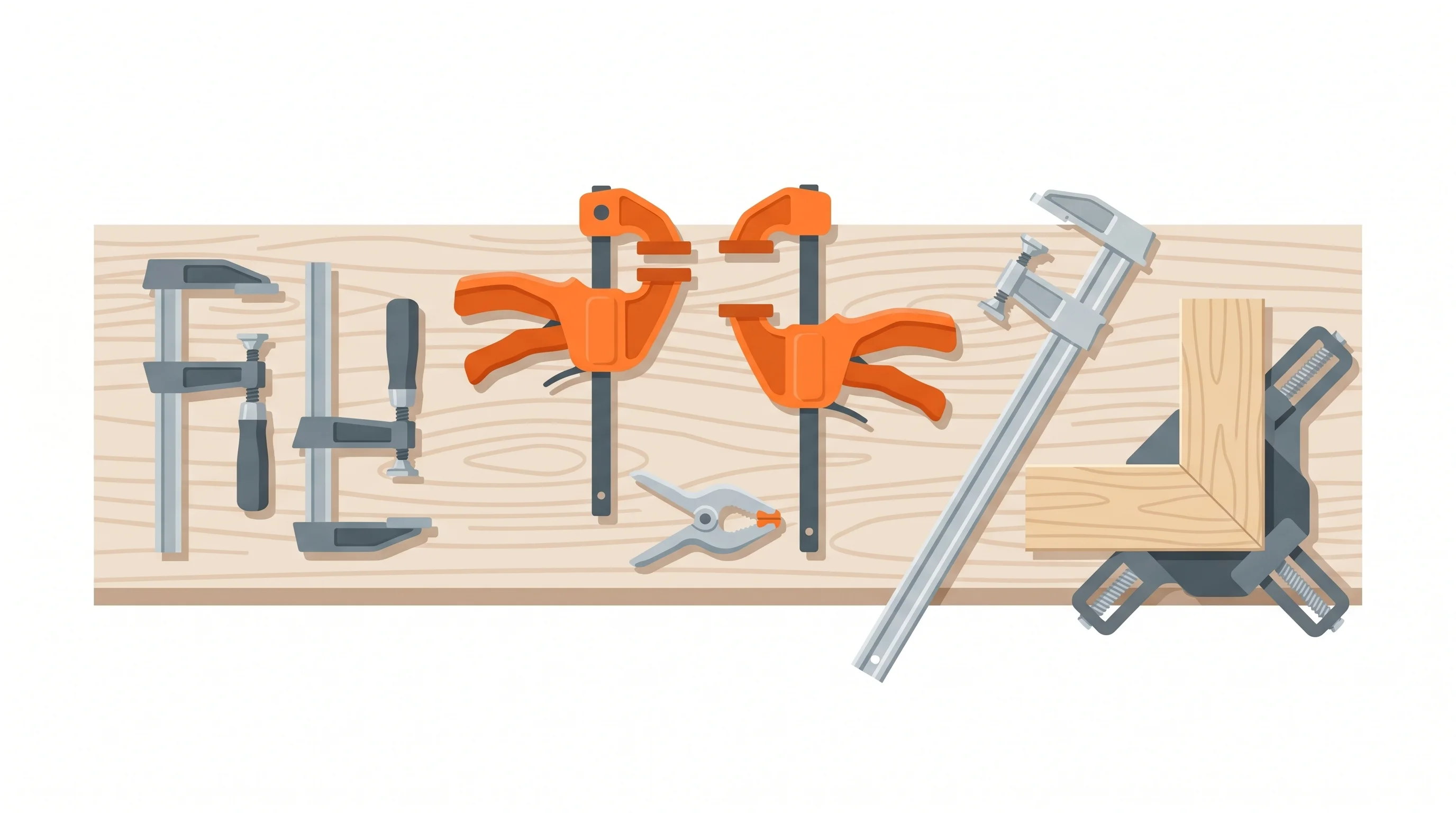
Clamps for Kitchen Fitting: F-Clamp, Sash, Trigger and Corner Compared
A UK guide to the clamps a kitchen fitter actually uses: pulling worktop mitres tight, holding panels for scribing, and what to buy from budget to pro.
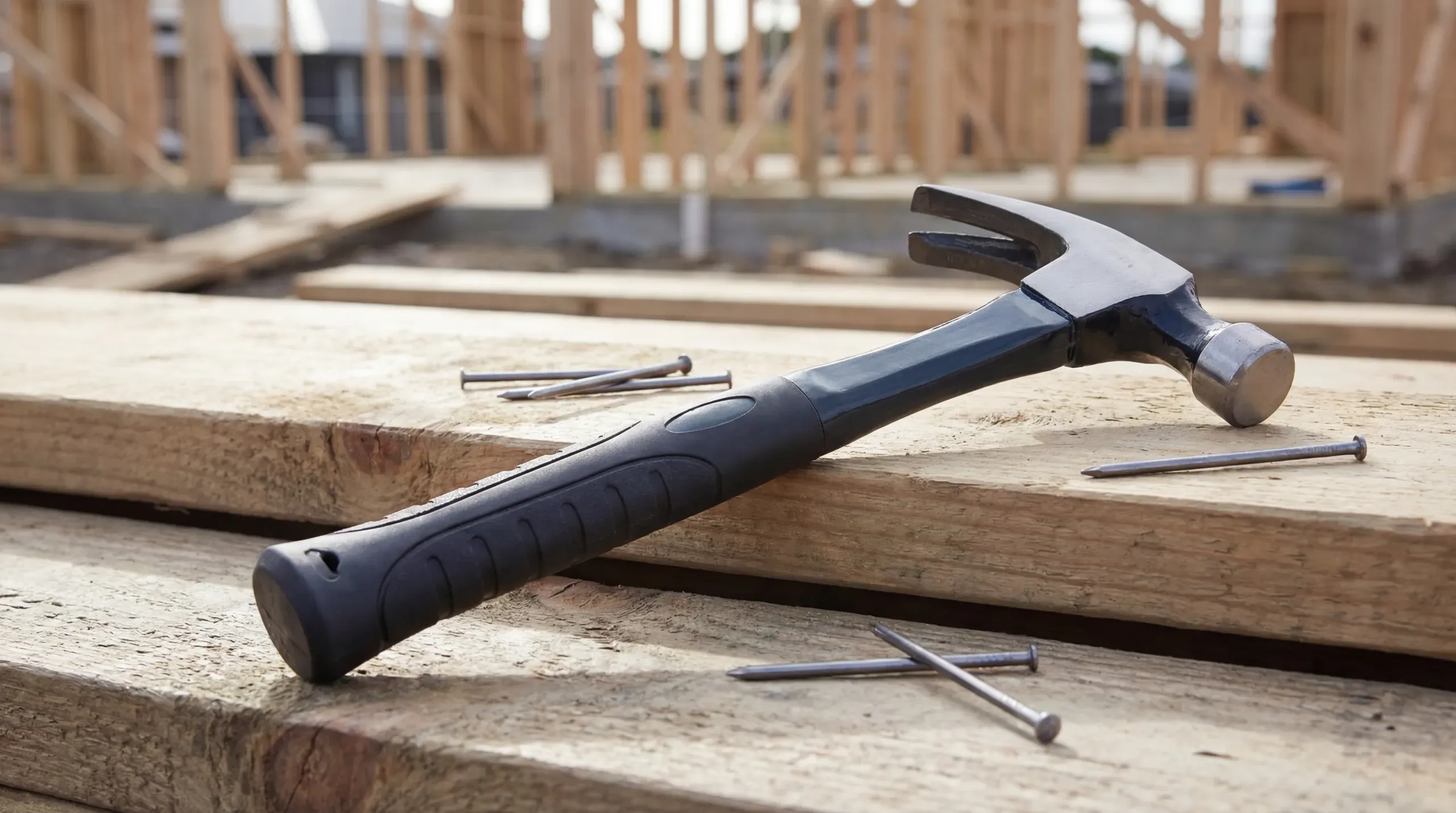
Claw Hammers: Which Weight, Which Handle, and How to Actually Use One
The UK homeowner's guide to claw hammers. 16oz vs 20oz, handle materials compared, proper technique, and what to buy from £5 to £55.
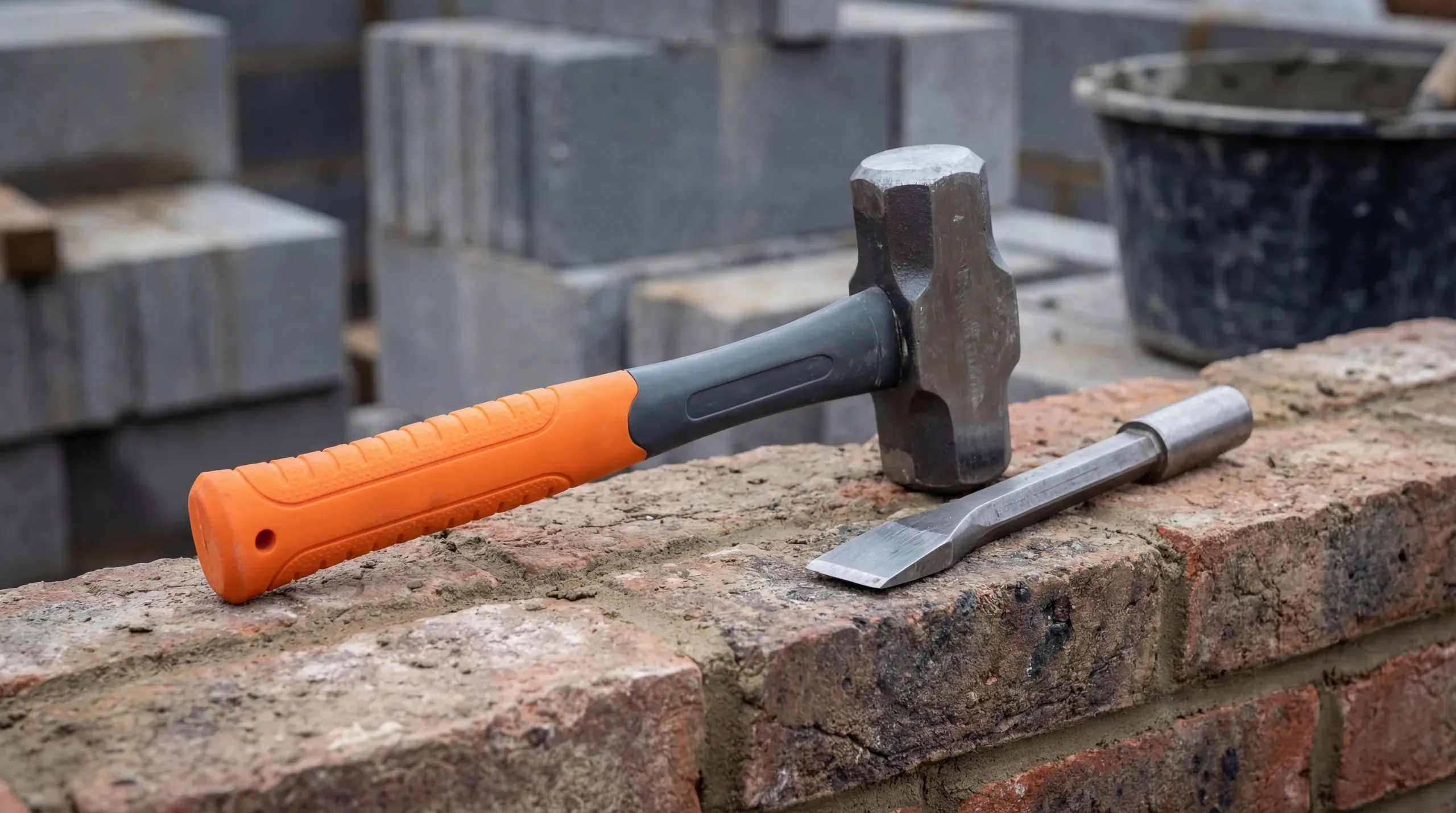
Club Hammers: Which Weight to Buy and How to Use One Safely
The complete UK guide to club hammers (lump hammers). Which weight you need, how to strike a bolster chisel properly, and what to buy from £9 upwards.
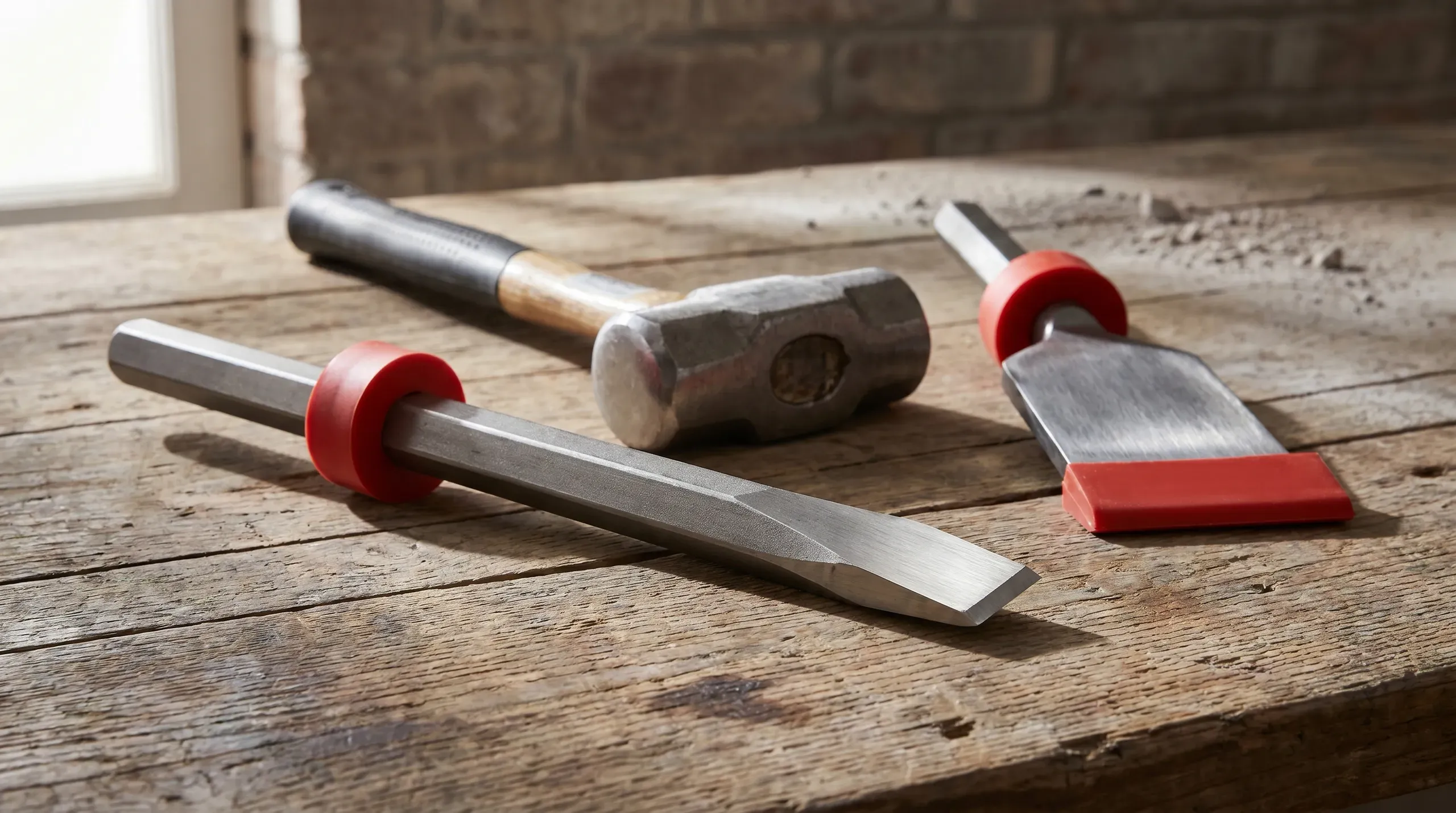
Cold Chisels: The UK Guide to Cutting Metal and Masonry by Hand
What a cold chisel is, how it differs from a bolster and plugging chisel, why you must pair it with a club hammer, and what to buy from £3 upwards.
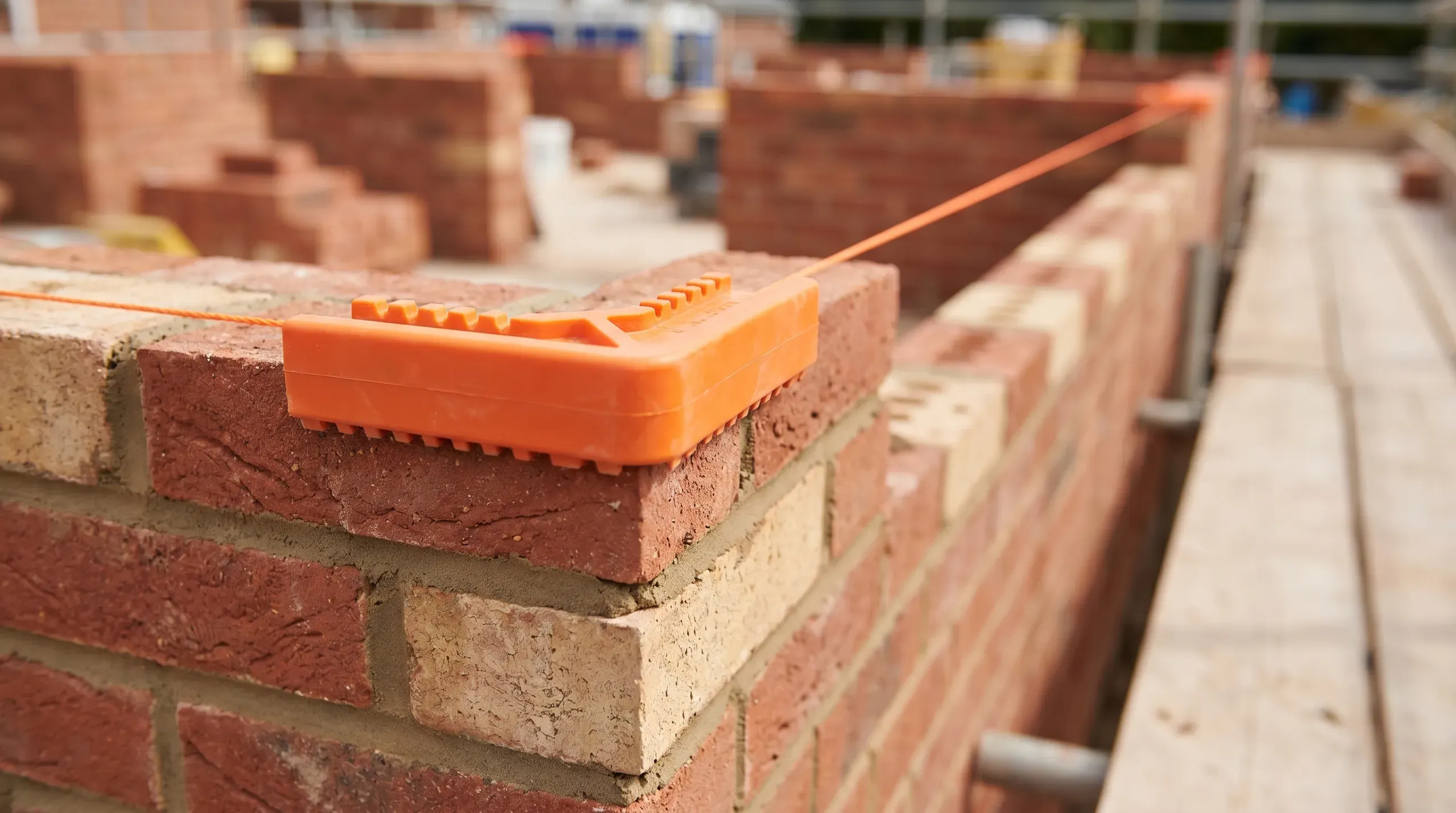
Corner Blocks: The Right Way to Pull a Line Between Quoins (and the No-Touch Rule That Saves a Wall)
UK guide to bricklayer's corner blocks. Plastic vs rubber, the no-touch rule, tingle plates, and what to buy from £4.90 – £18.50 upwards.
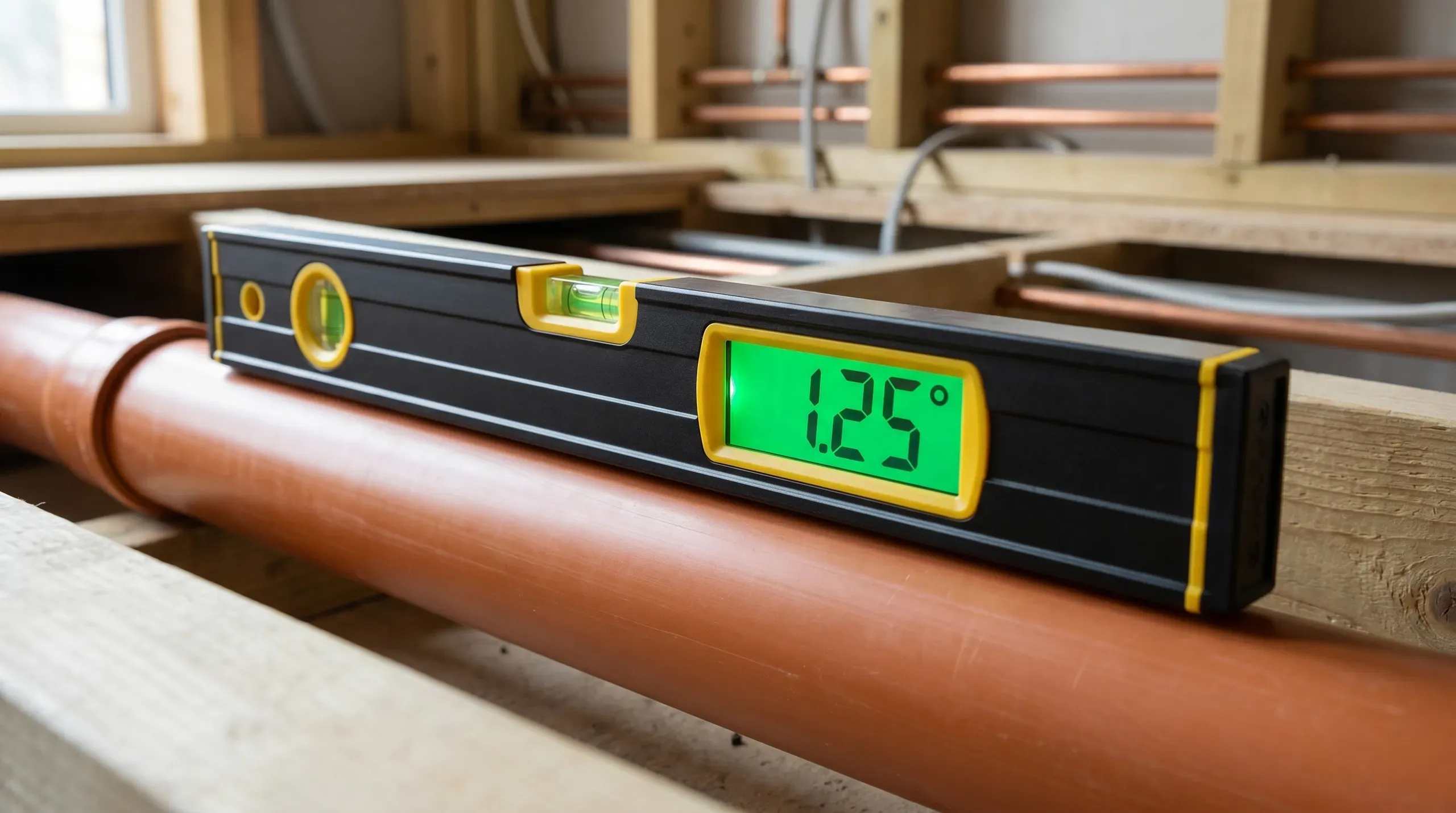
Digital Spirit Levels: When the Extra £150 Actually Pays for Itself
The UK guide to digital spirit levels. Why the beep function (not the accuracy) is what you're paying for, plus drainage gradients in degrees.

Line Pins: How Bricklayers Hold a String Straight (and the Green Mortar Mistake)
UK guide to bricklayers line pins. Hardened joints only, the 1mm arris rule, tingle plates for long runs, and what to buy from around £5 a pair.
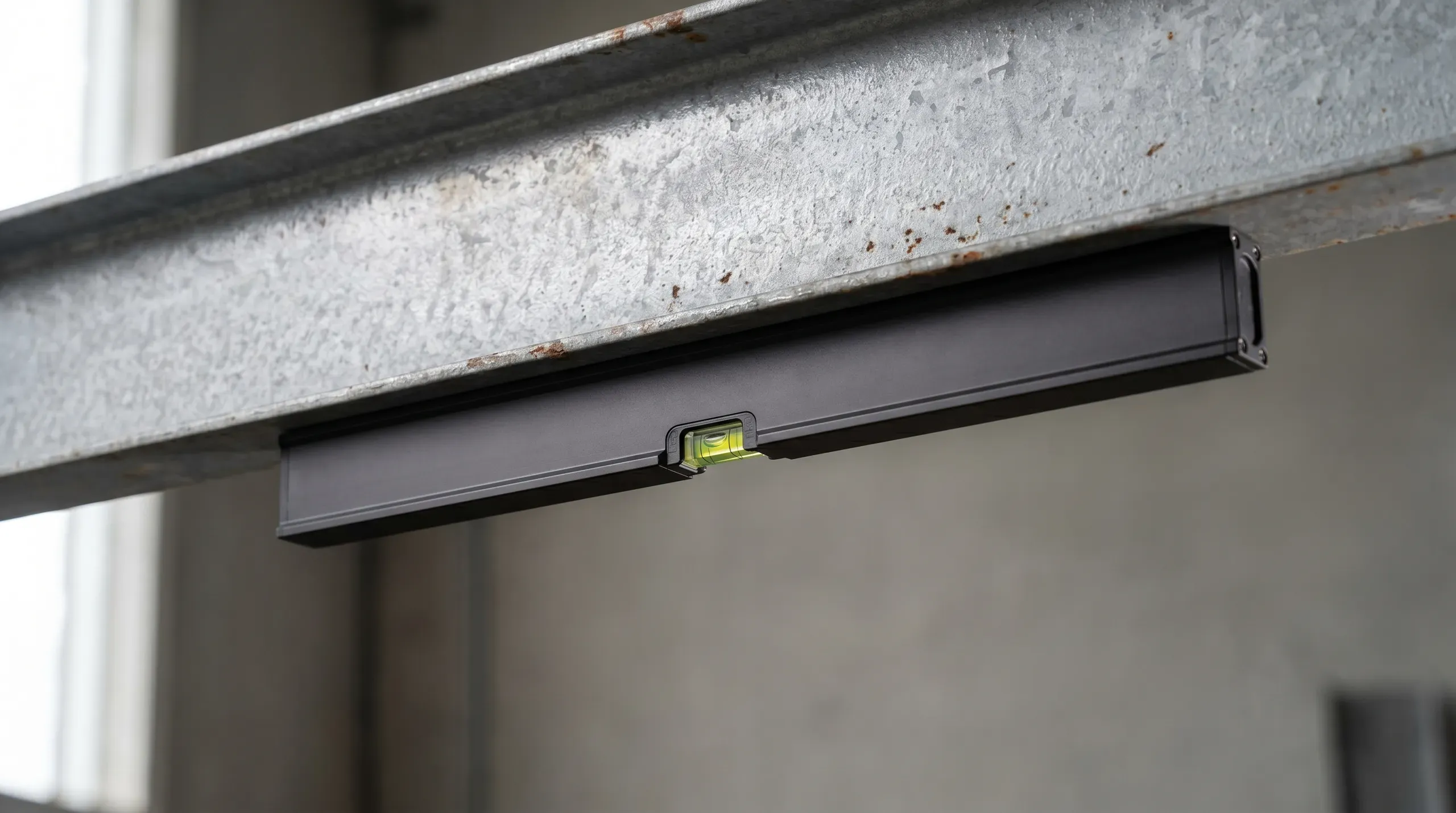
Magnetic Spirit Levels: When the Magnet Actually Helps (and When It Doesn't)
The UK guide to magnetic spirit levels. Why the magnet is useless on copper pipe, how to spot a cheap ferrite magnet, and what to buy at £7, £20, and £60.
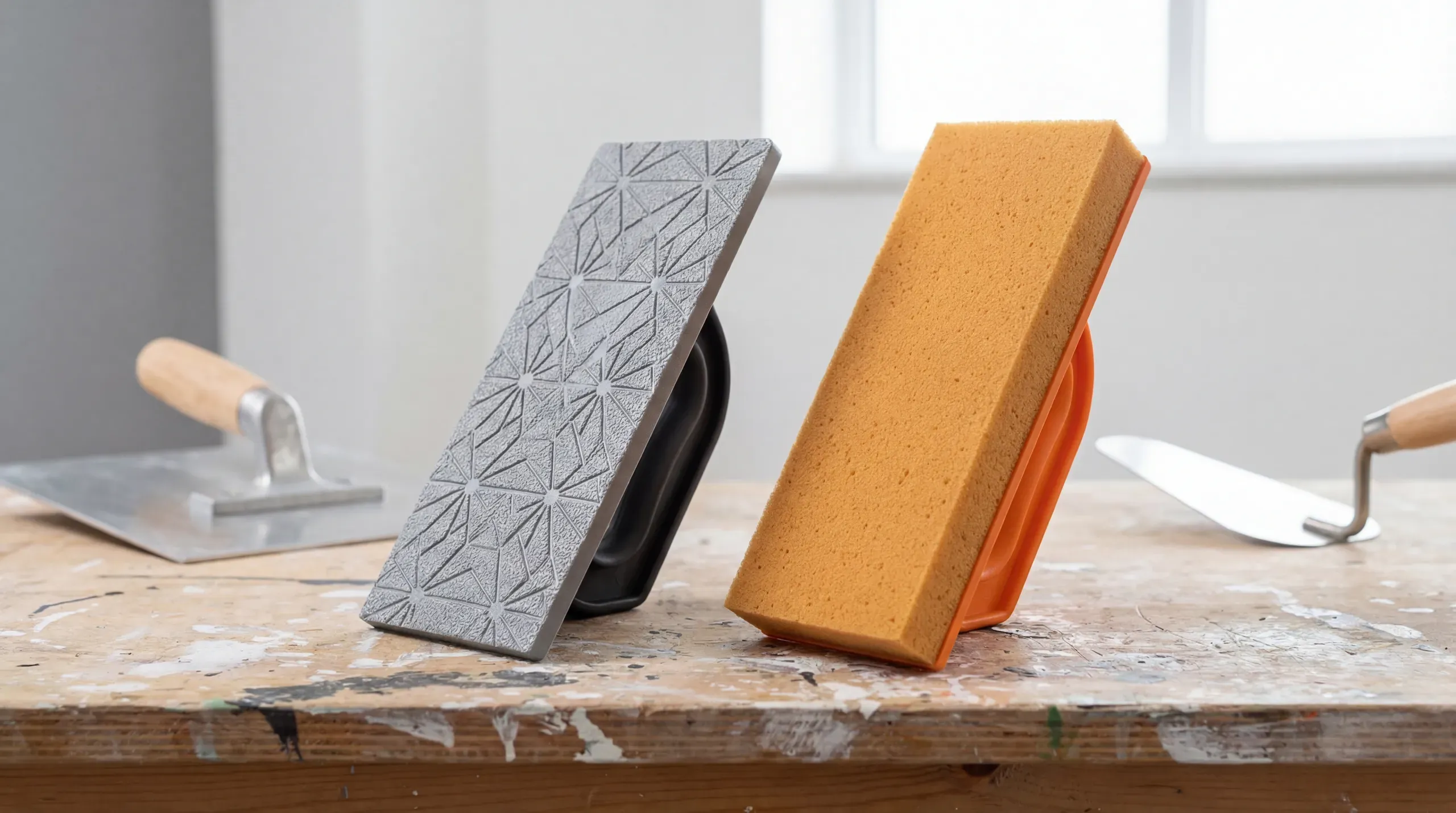
Plastering Floats: Which Type You Need and How to Use Them
The UK guide to plastering floats. Poly vs sponge, when to use each, the fingertip timing test, and what to buy from £5 upwards.
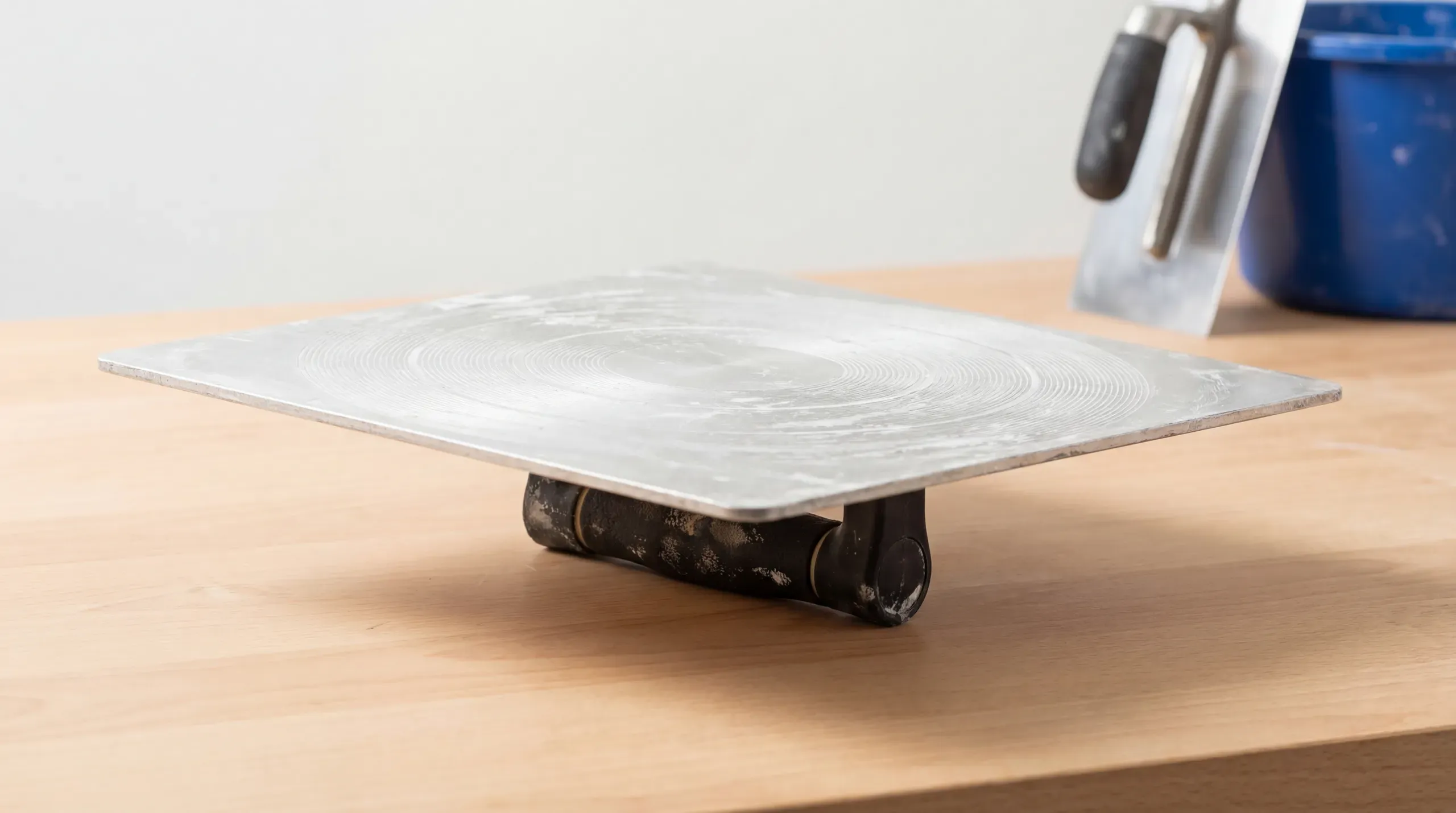
Plastering Hawks: What to Buy, How to Load One, and Why Beginners Drop Plaster
The complete UK guide to plastering hawks. Plastic vs aluminium vs magnesium, how to load and transfer plaster, and which to buy from £8 upwards.
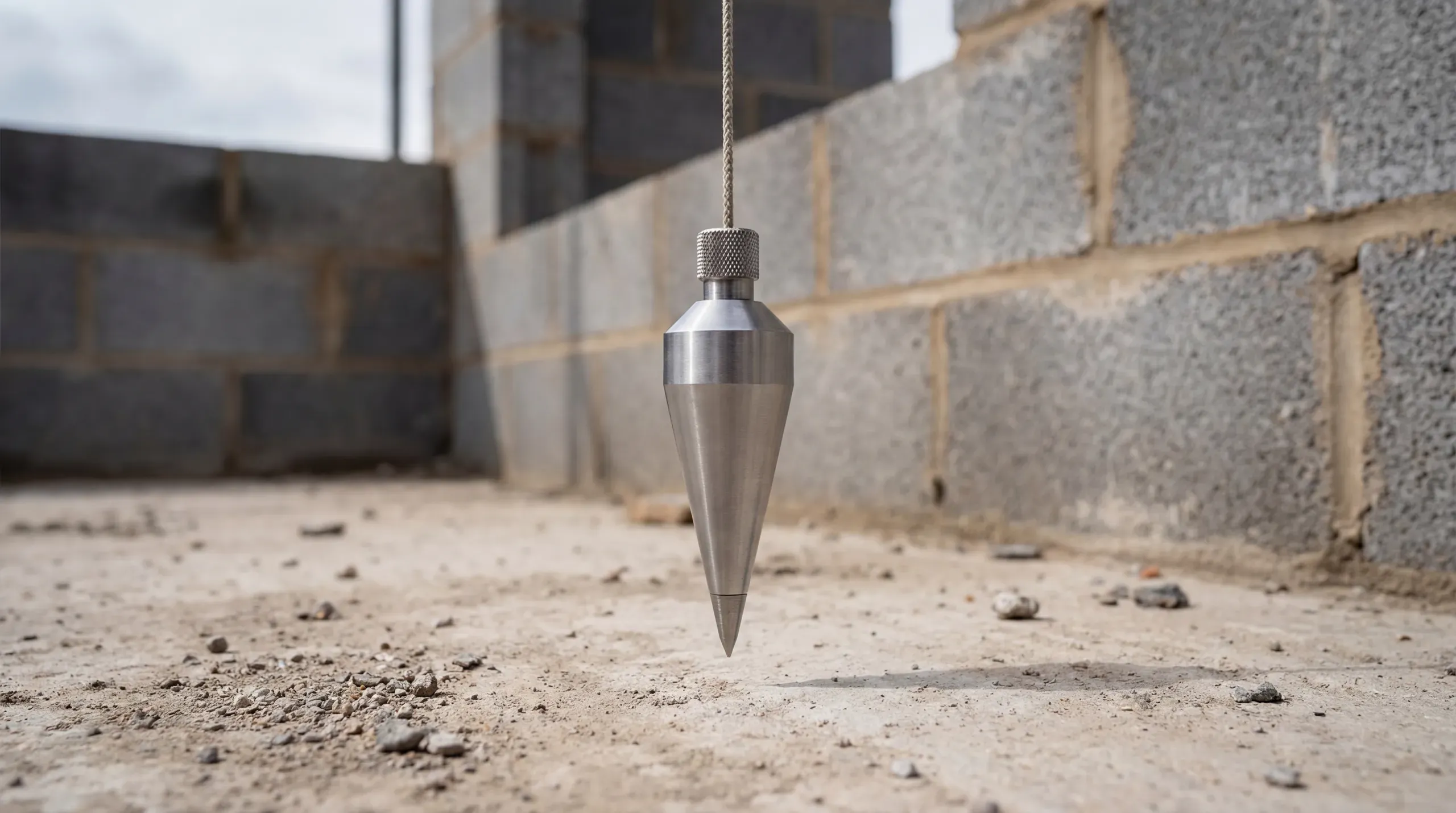
Plumb Bobs: Why Gravity Still Beats Batteries
The UK guide to plumb bobs. How to check walls for plumb, transfer points ceiling to floor, and what to buy from under £4.98 – £5.00.
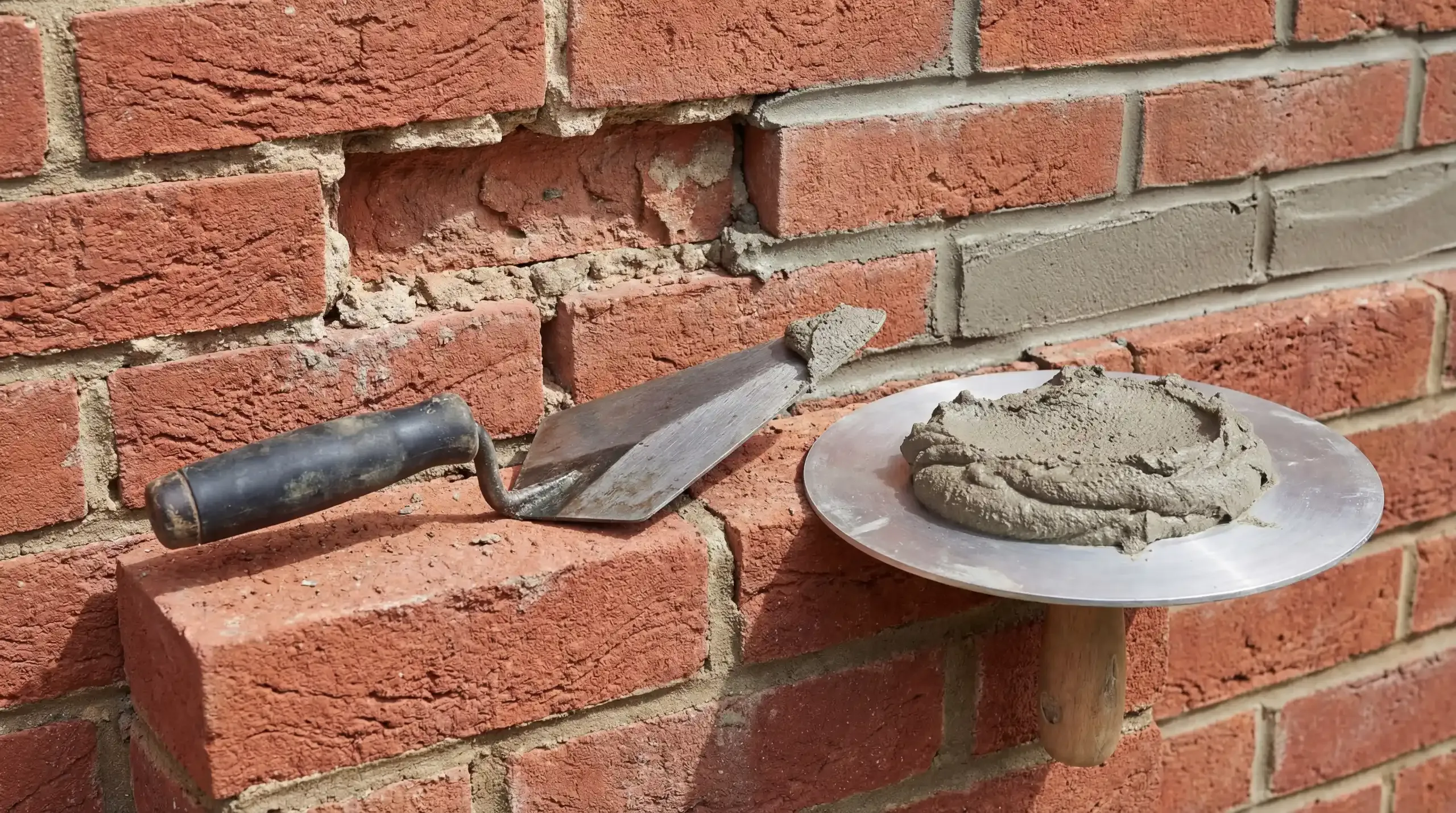
Pointing Trowels: What to Buy and How to Use One Properly
The UK guide to pointing trowels. Which size and brand to buy from £6, how to pack and finish mortar joints, and the technique that matters more than the tool.
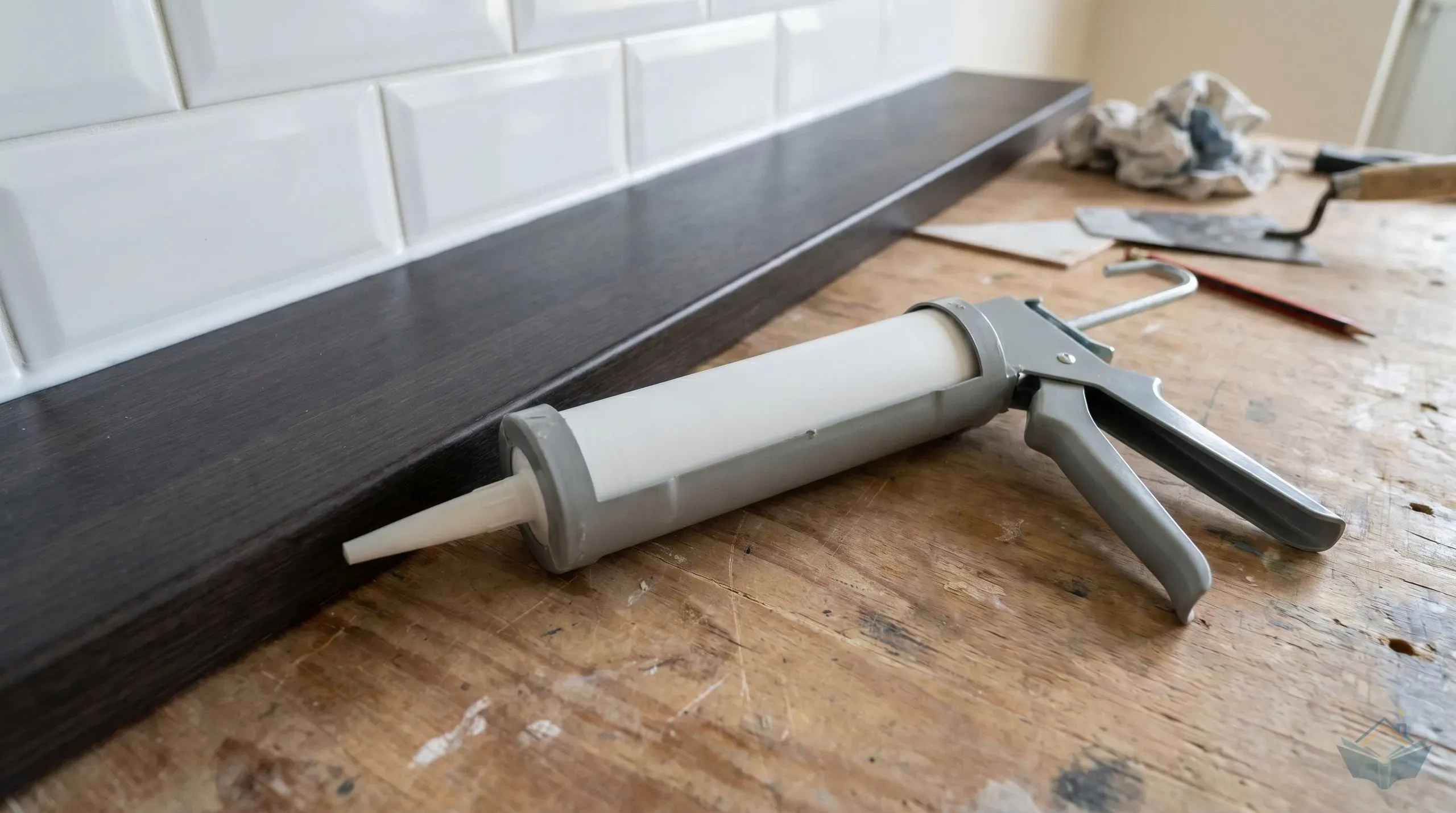
Sealant Guns: Skeleton, Sausage, and Smooth-Rod Explained
What a sealant gun does, why thrust ratio matters, the difference between skeleton, sausage, and smooth-rod, and how to lay a clean bead. Buy from £4 upwards.
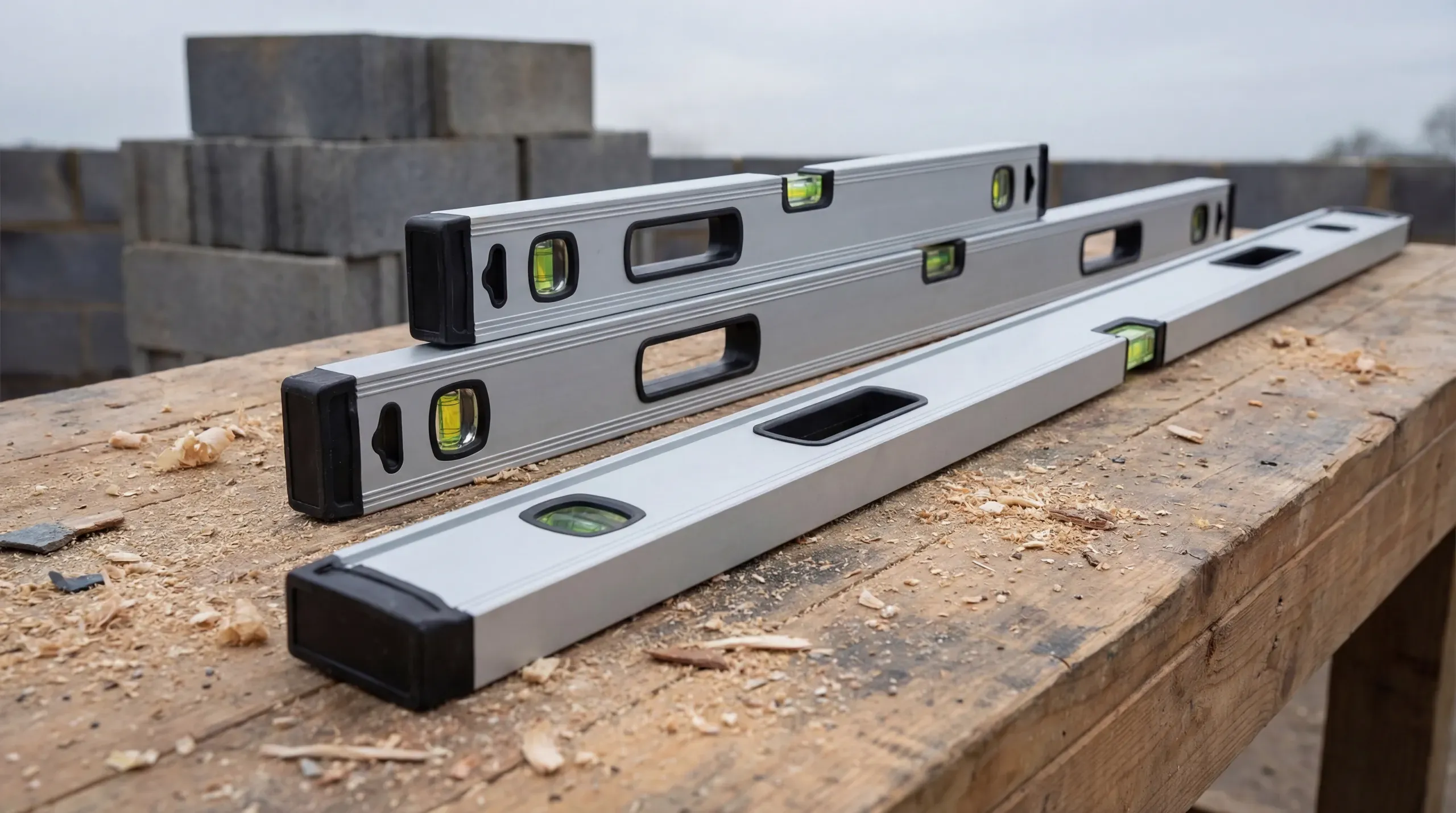
Spirit Levels: How to Choose, Check, and Use Them Properly
The complete UK guide to spirit levels. Which sizes you need, why cheap levels fail the flip test, and what to buy from £22 – £35 upwards.
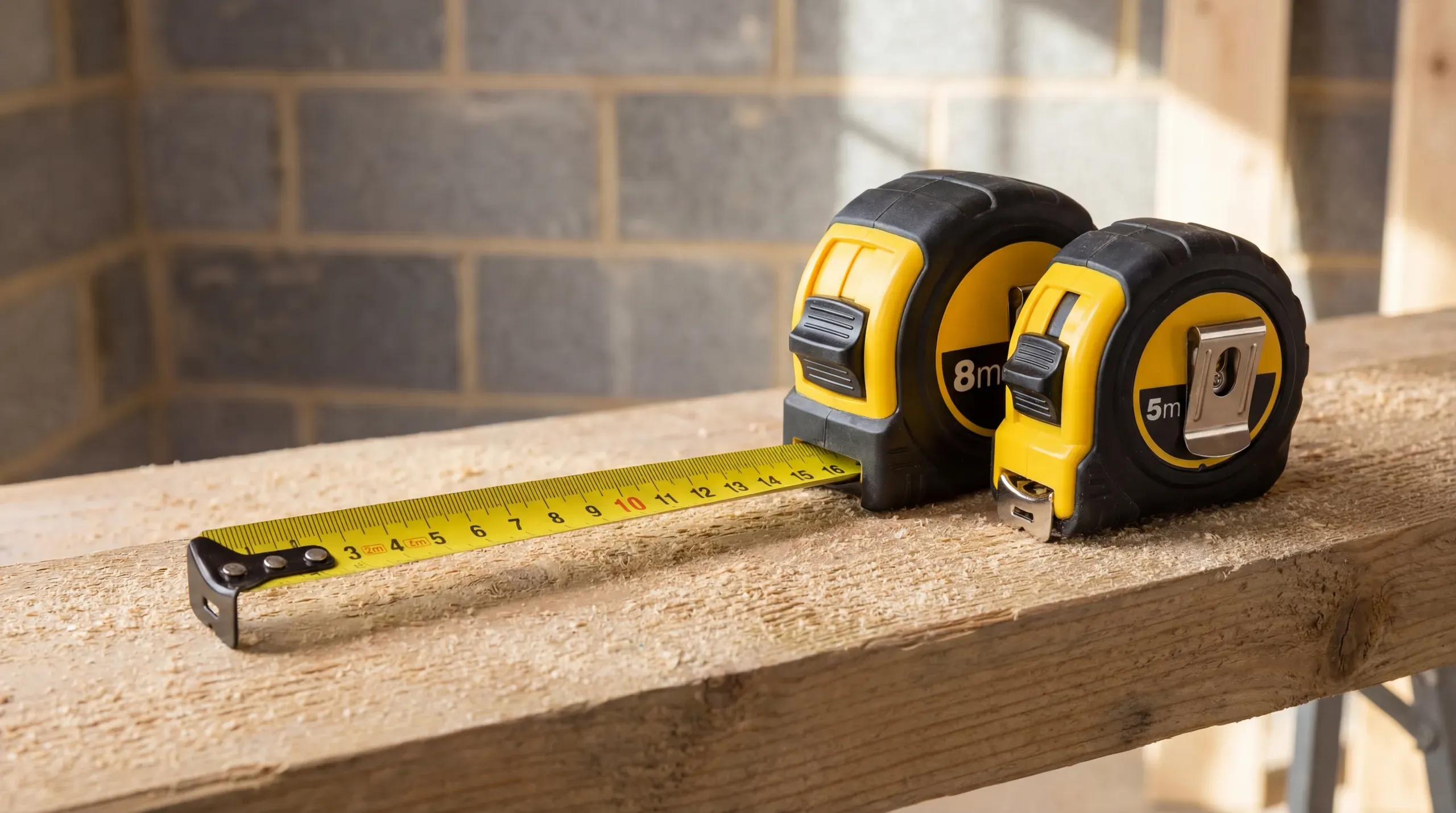
Tape Measures: How to Choose, Read, and Use One Without Costly Mistakes
The UK guide to tape measures for extension projects. Why metric-only beats dual scale, how the hook works, and what to buy from £3.89 – £7.00 upwards.
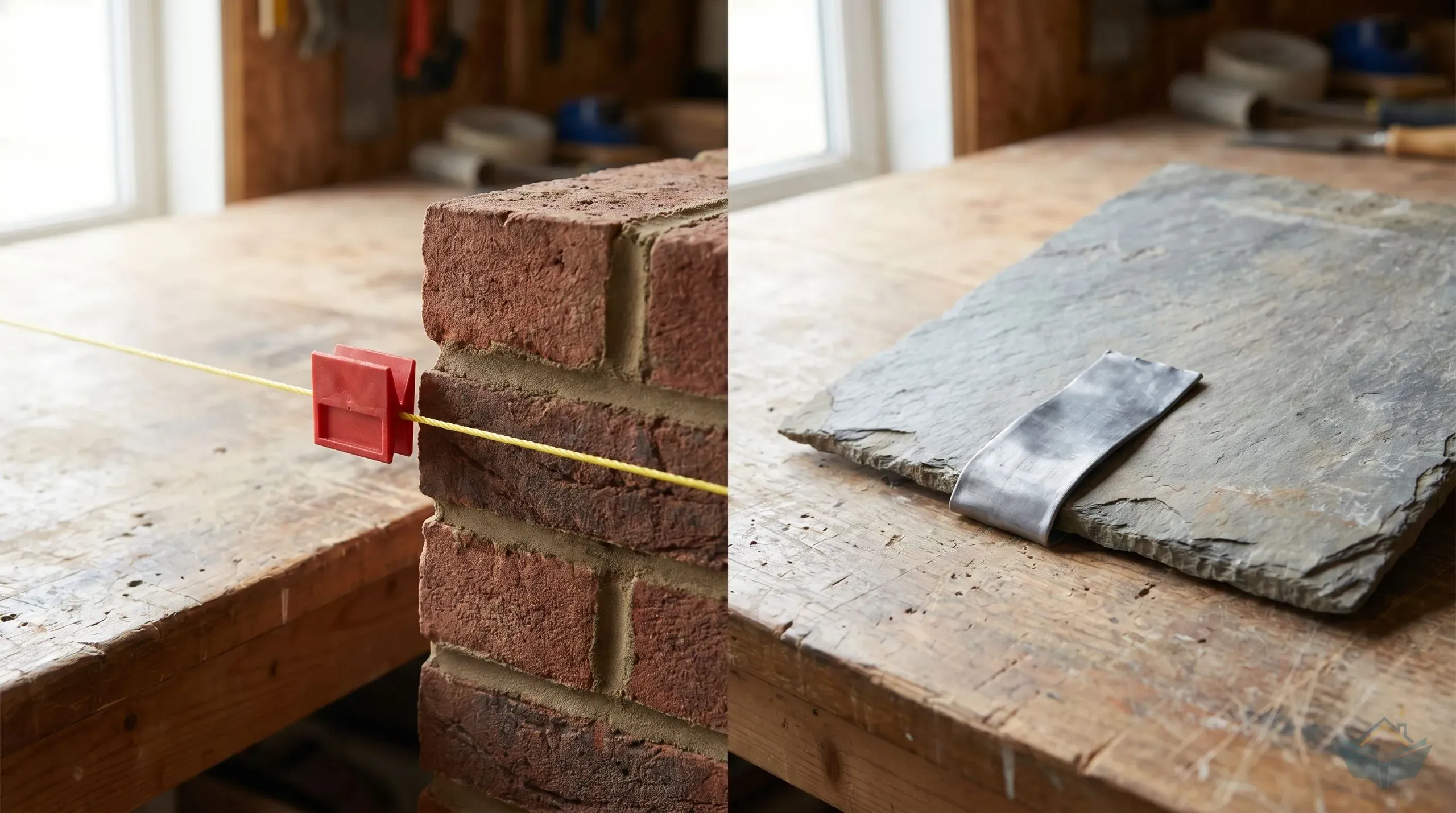
Tingle Plates: Two Trades, Two Different Tools With the Same Name
What a bricklayer's tingle is versus a roofer's slate tingle, why both exist, and how to spot a slate repair on an existing roof. Buy from £2 a bag.
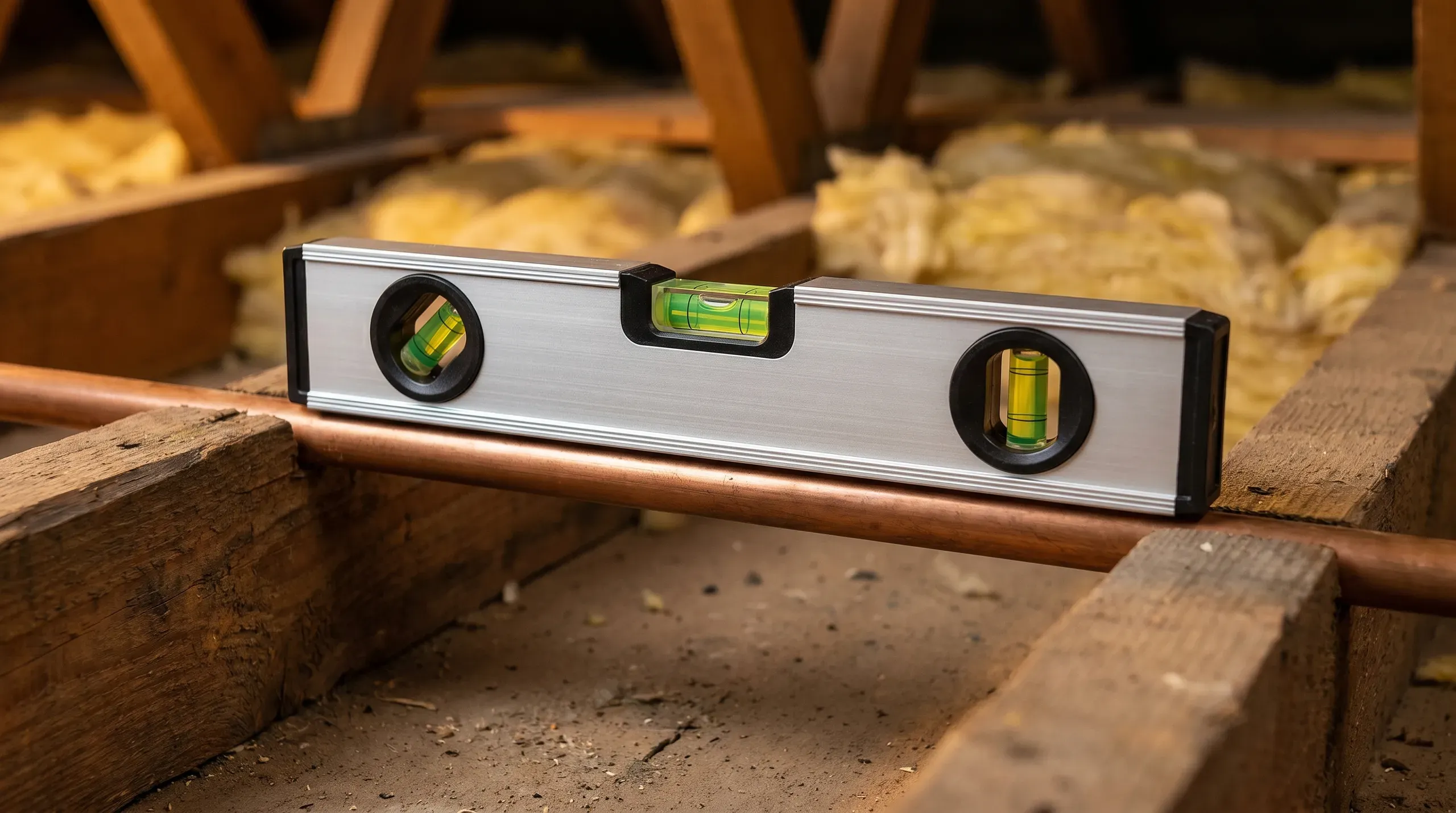
Torpedo Levels: The Pocket-Size Spirit Level for First Fix and Tight Spots
The UK guide to torpedo spirit levels. Which brands are worth buying, why the 45° vial lies, and when a 4-piece set from £30 – £50 beats a standalone torpedo.
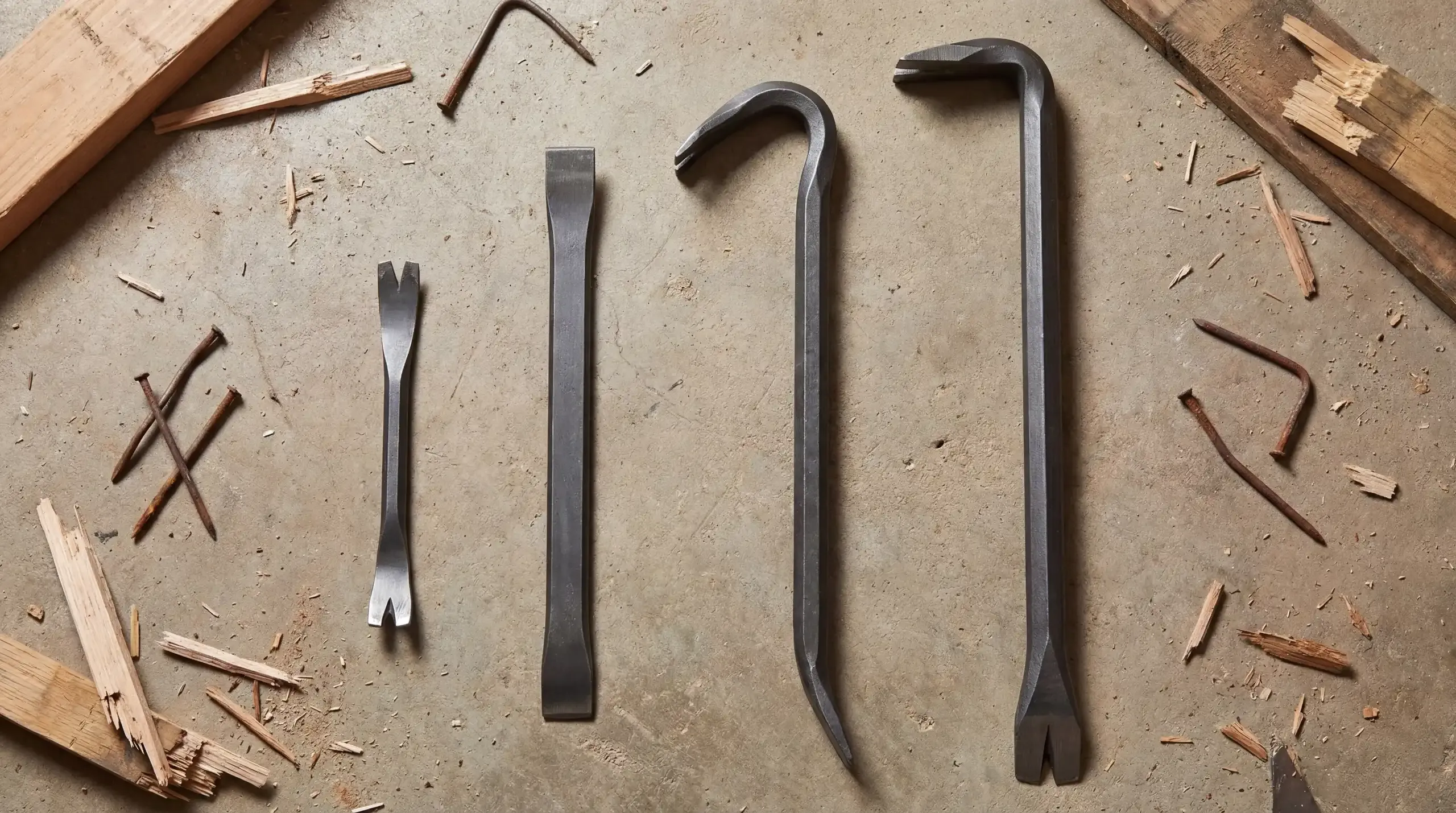
Wrecking Bars: Which Type You Need and How to Use One Without Destroying the Wall Behind It
The UK guide to wrecking bars, utility bars, and pry bars. Which size to buy, how to remove skirting without wrecking plaster, and why the Roughneck 18in at £8 is the one to get.