
Pre-Construction
By Ian · first-hand account · 6 min read
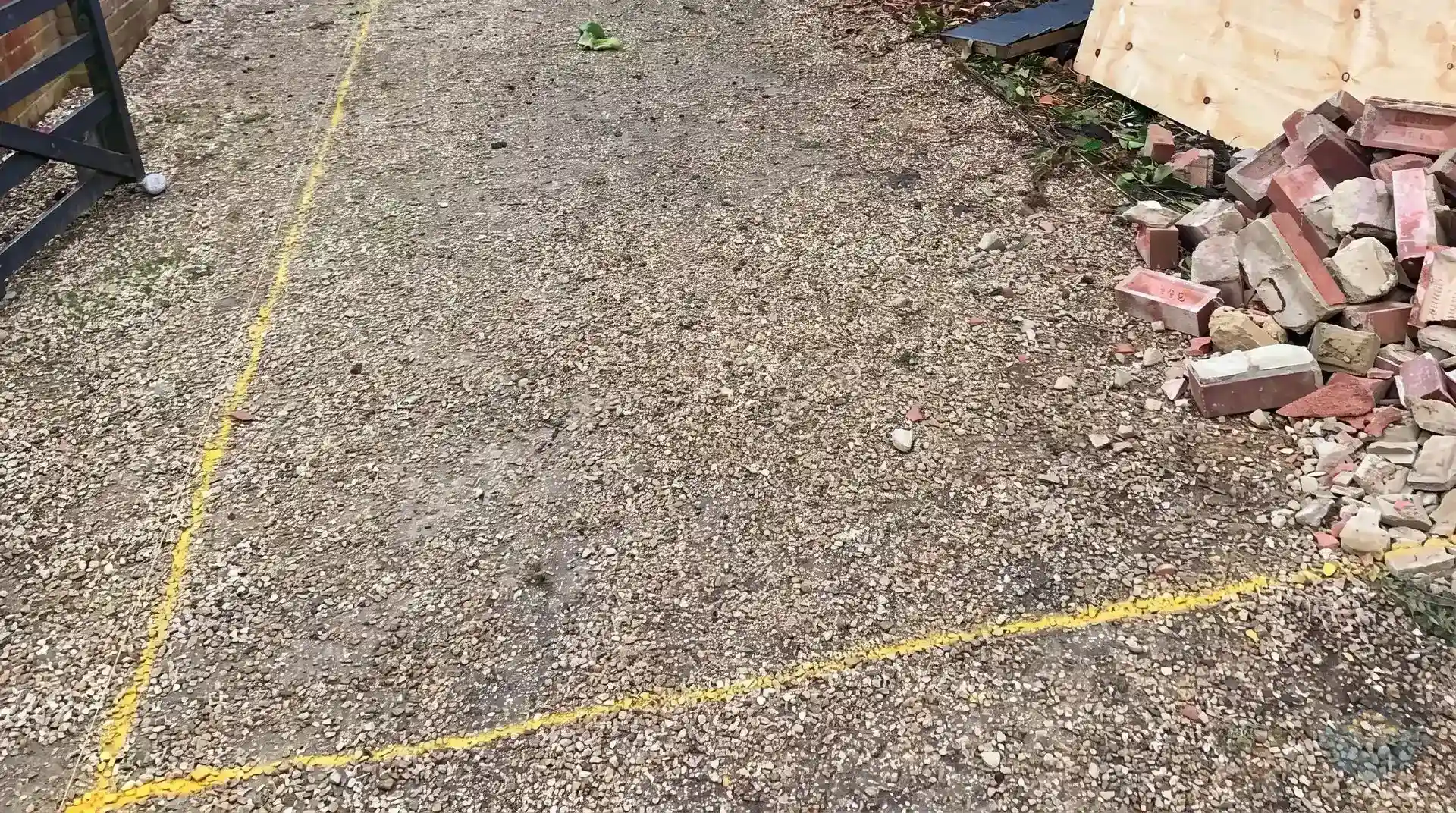
Permission came through on 24 May 2021. The digger arrived on 20 October. Nothing whatsoever was built in the five months in between, and almost every commitment that mattered was made inside them.
A quote, and twenty per cent of it
The guide for this: Finding a Builder, Getting Quotes and Comparing
The builder priced the job on 5 June at £45,500. He was not a stranger. He had quoted two smaller jobs at the house the previous autumn and done one of them, a fence, so I had seen his work and seen how he invoiced.
What I had not looked at properly was the shape of the quote itself. Listed alongside that £45,500, and on top of it, were prime cost sums: windows and doors allowed at somewhere between £15,000 and £20,000, electrics at £50 a point, plumbing between £1,500 and £2,500. Those are placeholders, not prices. They tell you the builder has left a hole beside his number for a job somebody else will do, and the size of the hole is a guess made before anyone has specified anything.
£45,500
The quoted price for the whole build. Distinct charges eventually raised against it came to £53,142, and the cash that left my account for his work totalled £53,854.93. Much of that gap is variations I asked for and prime cost items that were always allowances. The headline figure on a builder's quote is the least reliable number in the entire project.
The deposit invoice came on 14 June: twenty per cent, £9,100. I paid it on 18 June. Four months later there was still nothing on site, and in the meantime that money was sitting somewhere doing nothing I could see or inspect.
Later in the build I learned that staged payment against completed work is the only real hold a homeowner keeps once a builder is on site, and I used it twice. A twenty per cent deposit is the opposite of that. It gives the hold away before the relationship has produced anything at all.
Warning
Do not pay a deposit large enough to fund a builder's other job. Ask what the money is actually for, and if the answer is materials, ask which materials and when they are being ordered. Anything beyond that belongs in a stage payment released against work you can stand in front of and look at.
The certificate, then the contract
The guide for this: Contracts and Payment Schedules, Insurance and Liability
His public liability certificate came through from his insurer on 17 June, the day before we signed anything. That is the right order, and I would hold out for it, because a builder who cannot produce a current certificate within a day or two is telling you something about how the rest of the job will run.
We signed a RIBA domestic building contract on 18 June. Having a real contract rather than an accepted email put me ahead of most people self-managing a build, and I still got the contents wrong. It said nothing about structural substitutions. Eleven months later the steel ridge beam went in as timber, the building control officer caught it, and the cost of putting that right landed in a gap the contract had left open.
Tip
Add one clause most standard domestic contracts do not have: no substitution of any specified structural member without written approval from both you and the structural engineer. It costs nothing to insert and it is the cheapest piece of protection in the whole document.
The same day, I handed the draft building regulations documents over to him. He therefore had the full document set in his hands months before he had a programme, which was the one piece of sequencing I got right.
The summer, and the thing I did not do in it
The guide for this: Utility Meter Relocation
The documents went to building control in early July, conditional approval came back on 27 August, and that stretch belongs to the planning chapter.
What the summer should have been for was services. The gas and the electricity both ran along the side of the house, directly under where the extension was going. Neither could stay where it was. I did nothing about it until the autumn, and the network operators did not visit and quote until 2 November, thirteen days after the ground had already been opened.
The gas quote from SGN was £808.80. The electricity quote from SSEN was £1,020.70. Both were for altering the service run itself, the pipe and the cable, and both parties said the same thing when they saw the site: a large dig at the front and a trench round the side.
Two things about that wording matter more than the money. Altering a service is not the same job as moving a meter, and the meter move is arranged separately through your energy supplier. And the electricity work is done by the distribution network operator, SSEN in my case, not by whoever sends you a bill. I lost time to that distinction before I understood it.
The electricity quote arrived with conditions attached that reframed the whole thing for me. It was valid for ninety days. The work then had to be carried out within six months. Booking it in took fifteen days from payment. The supplier's meter operator had to attend on the day, my own electrician had to be there the same day to connect to the moved meter, and my neighbour had to give access for a polarity test. The gas quote carried no stated lead time at all.
Warning
A service alteration is five or six separate parties inside a window somebody else defined. Before you pay anything, write down four dates: when the quote expires, the deadline for carrying the work out, the booking lead time, and the day itself with every person who must be physically present on it. Then start the whole chain six months earlier than feels necessary.
The trench nobody dug
On that same visit, 2 November, the builder agreed to dig out the service trenches. He put it at a day's work. It never happened, and nobody chased it, because it existed on no programme and appeared on no invoice. I ended up engaging a separate groundworker for it eight months later.
That failure is the reason I now write down who is digging, in a message, on the day the agreement is made. A verbal yes from a builder standing in your garden is not an instruction. It is a friendly noise, and it evaporates the moment his next job starts.
21 September became 20 October
The proposed start was 21 September. It moved to 20 October, a month late, with overrunning jobs and COVID given as the reasons.
Neither reason was unreasonable, and a builder worth having is almost always finishing somebody else's job when he tells you a date. What I should have done is treat the stated date as an estimate and refuse to book anything against it that carried a cancellation cost. Assume four weeks of slip as a starting position and be pleased if it does not arrive.
Yellow lines
He came and marked the site out on 20 October. Yellow line sprayed along the side of the house and round the back, showing how far out the extension came and how far along it ran. Building control were told work had commenced the following day.
Standing in the garden looking at those lines, the thing that struck me was how small 55m² looks once it is drawn on grass. On a drawing it had felt like a serious piece of building. On the ground it was a shape you could walk across in a few seconds, and it had taken five months, a contract and £9,100 to get to the point where somebody would draw it.
Everything before that morning was reversible. Everything after it cost money in the ground.
If your own build is somewhere in this gap, work through the pre-construction phase guides. They cover finding and vetting a builder, reading a quote and its allowances, contracts and payment schedules, building a construction programme, and starting utility work early enough that it does not become the thing holding up your groundworker.
Frequently asked questions
Do this phase on your own build
Step-by-step guidance for the tasks this chapter covers.
Want the numbers behind this build?
Every invoice from this extension, category by category, in the spreadsheet used to track it. Reuse it for your own budget.
Get the cost ledgerPlanning your own extension? The Access Pass covers the same ground as a step-by-step guide you can work through.