
Joinery Tools
Hand tools and jigs for second-fix carpentry and kitchen installation: chisels, nail punches, hinge jigs, worktop jigs, and the router cutters they pair with.
Second-fix joinery is where a build starts to feel finished. Skirting, architrave, internal doors, kitchen units, and laminated worktops all arrive as raw lengths and flat sheets. The joinery tools below are how a carpenter cuts, fits, and finishes them so the gaps disappear.
Most homeowners managing an extension will not own all of these. The expensive jigs are kit a kitchen fitter brings to the job. But understanding what each tool does means you can read a quote properly, spot when a fitter is cutting corners, and tell the difference between a worktop joint that's been butted and silicone-bridged versus one that's been routed to a mason's mitre.
Where to start
The worktop jig is the one to read before the kitchen goes in. The corner joint on a laminate worktop is the first thing anyone notices, and whether it is routed and bolted or butted and filled with silicone is decided by the fitter's kit. The hinge jig and wood chisel guides are worth reading together if internal doors are being hung, because the router cuts the recess and the chisel squares its corners.
The guides, grouped by job
Kitchen worktops. The worktop jig guides the router through a mason's mitre or butt joint, and the router bits guide explains the cutters, shank sizes and profiles that do the cutting. The worktop bolts that pull the joint together are covered in the kitchen units materials.
Doors and hinges. The hinge jig lets a router cut matching hinge recesses on a door and its frame, and the wood chisel finishes each recess and pares joints by hand.
Trim and finishing. The nail punch sinks pin heads in skirting and architrave below the surface so filler and paint can hide them.
Where these fit in the build
Worktop material and joint layout are settled when you are sourcing units and worktops. The jigs, router and chisels come out at kitchen installation, and the nail punch is used wherever trim goes on, including after flooring when the skirting is fixed.
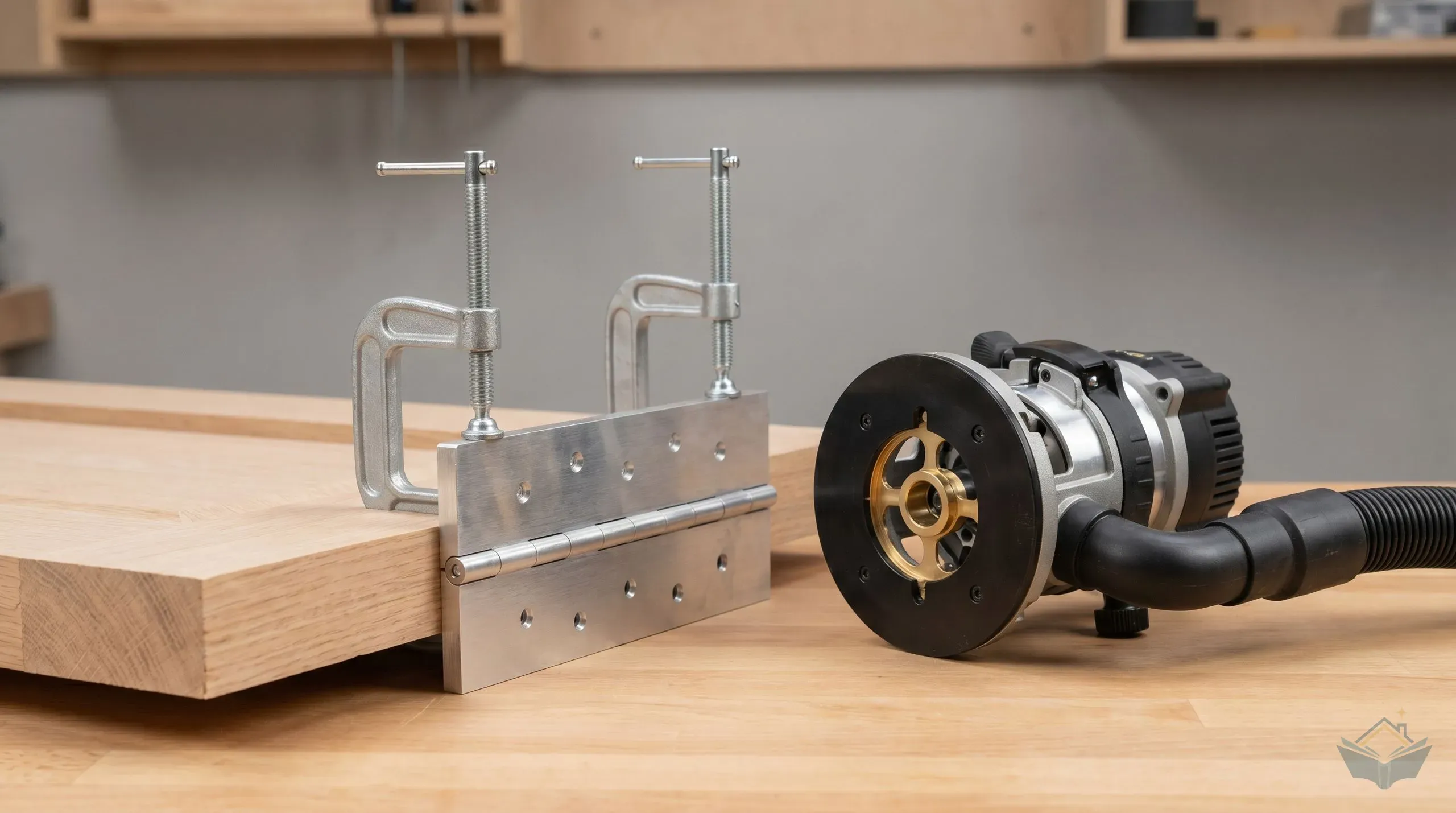
Hinge Jigs: How to Recess Door Hinges Accurately Without a Trade Eye
What a butt hinge template does, the Trend jigs that dominate UK trade, the guide bush size that matters, and how to square the corners afterwards. Buy from £35.
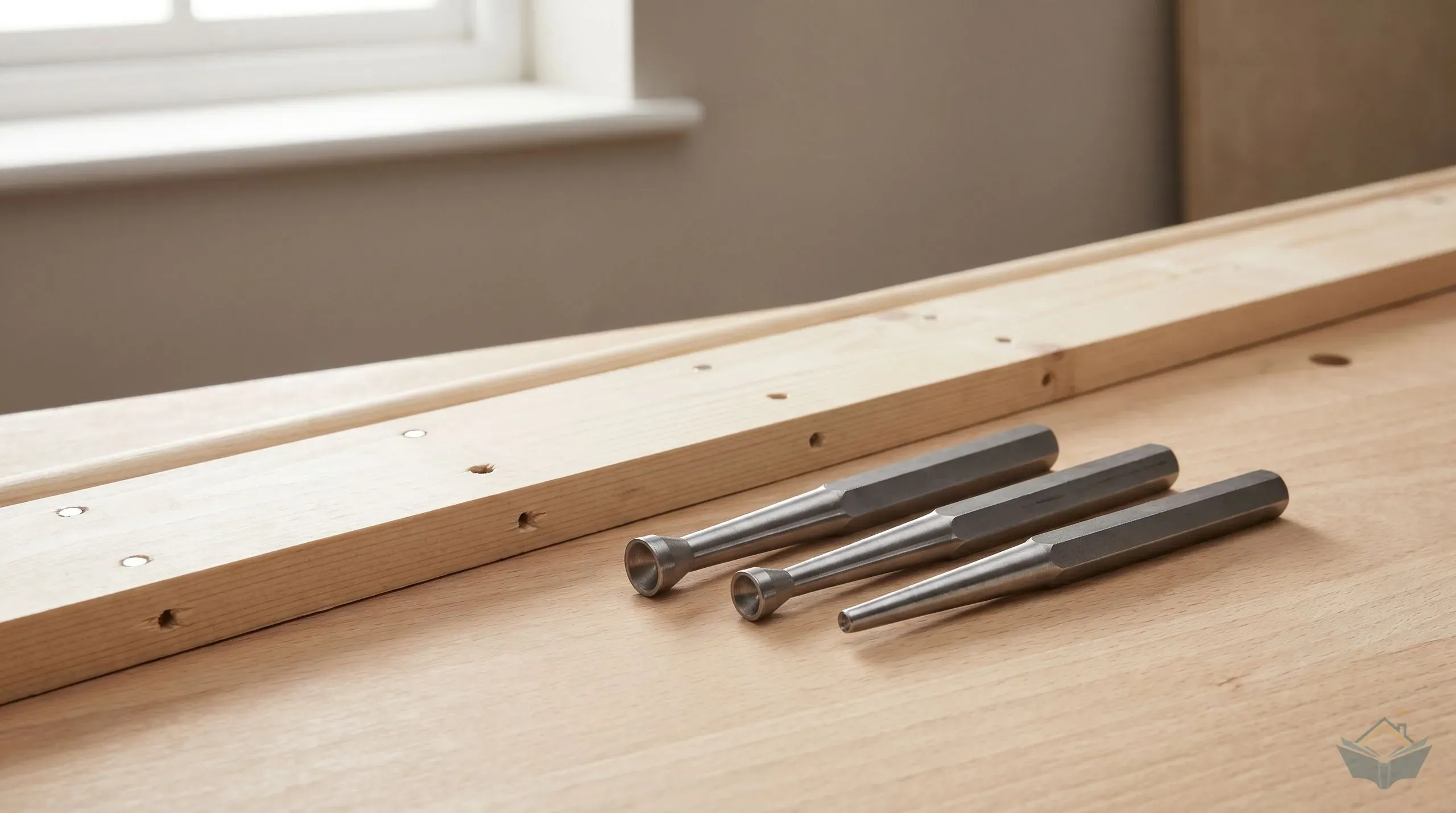
Nail Punches: How to Sink Pin Heads So Filler and Paint Can Hide Them
What a nail punch is, the three tip sizes that match panel pin to oval nail, and how to use one without bruising the timber. Buy a three-piece set from £6.
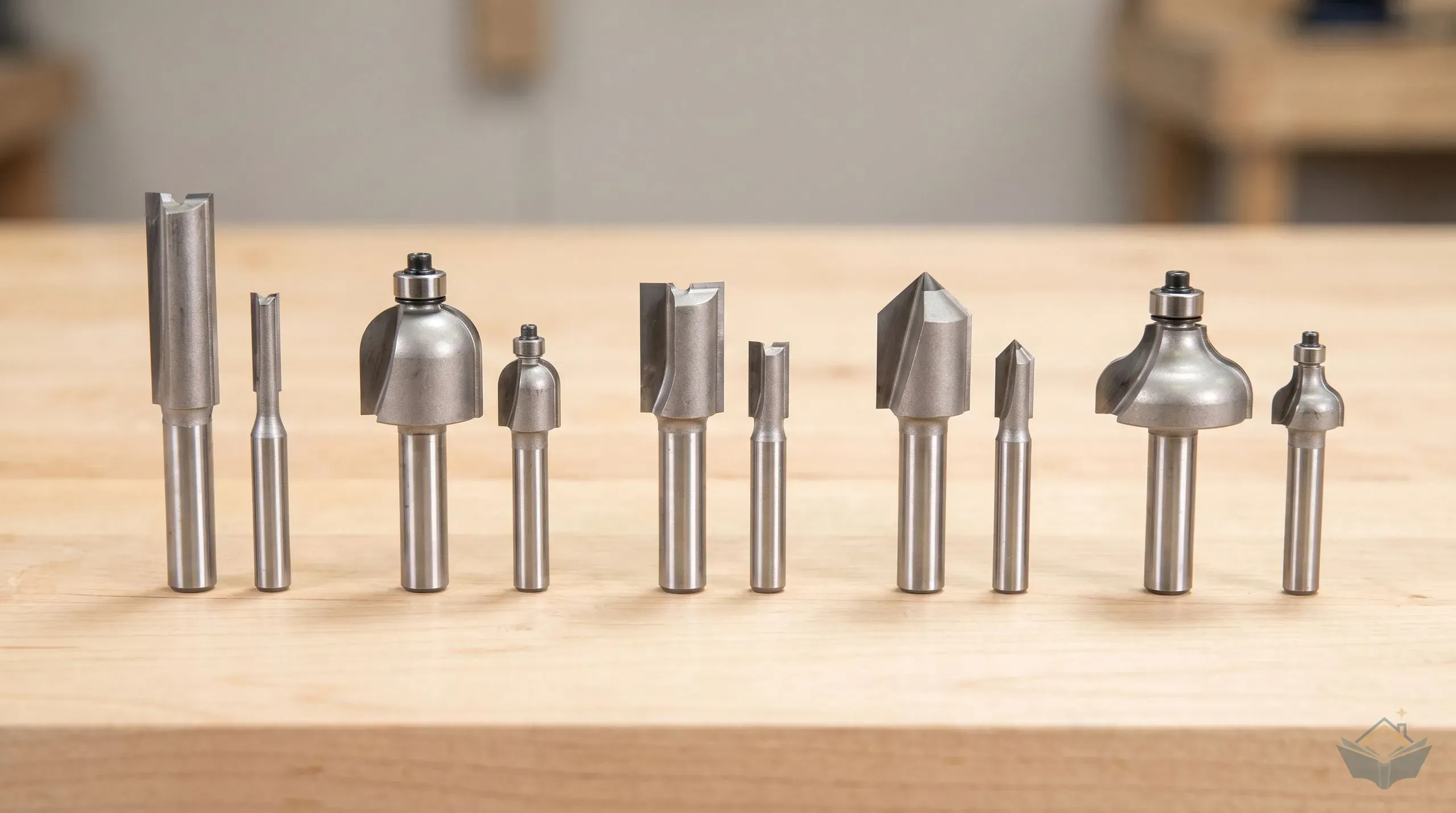
Router Bits: TCT, Shank Sizes, and the Five Profiles That Cover Most Joinery
What a router bit is, why TCT beats HSS for durability, the shank size that matches your router, and the five profiles a homeowner actually uses. Buy from £8 each.
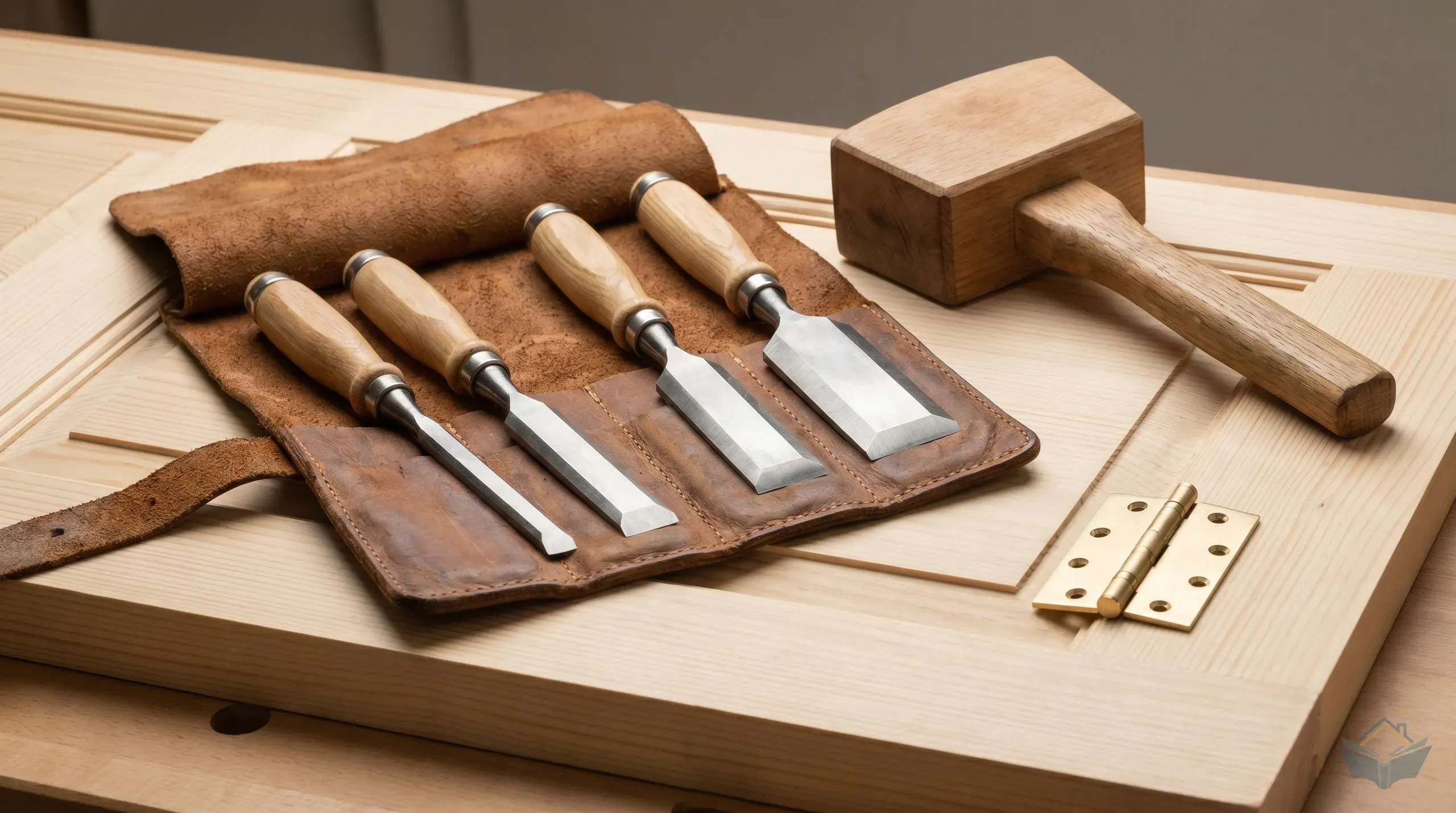
Wood Chisels: The Companion Tool to Every Hinge Recess and Joint
What a wood chisel is, why a router can't finish a hinge recess without one, the four bevel angles that matter, and what to buy for second-fix joinery from £8 upwards.
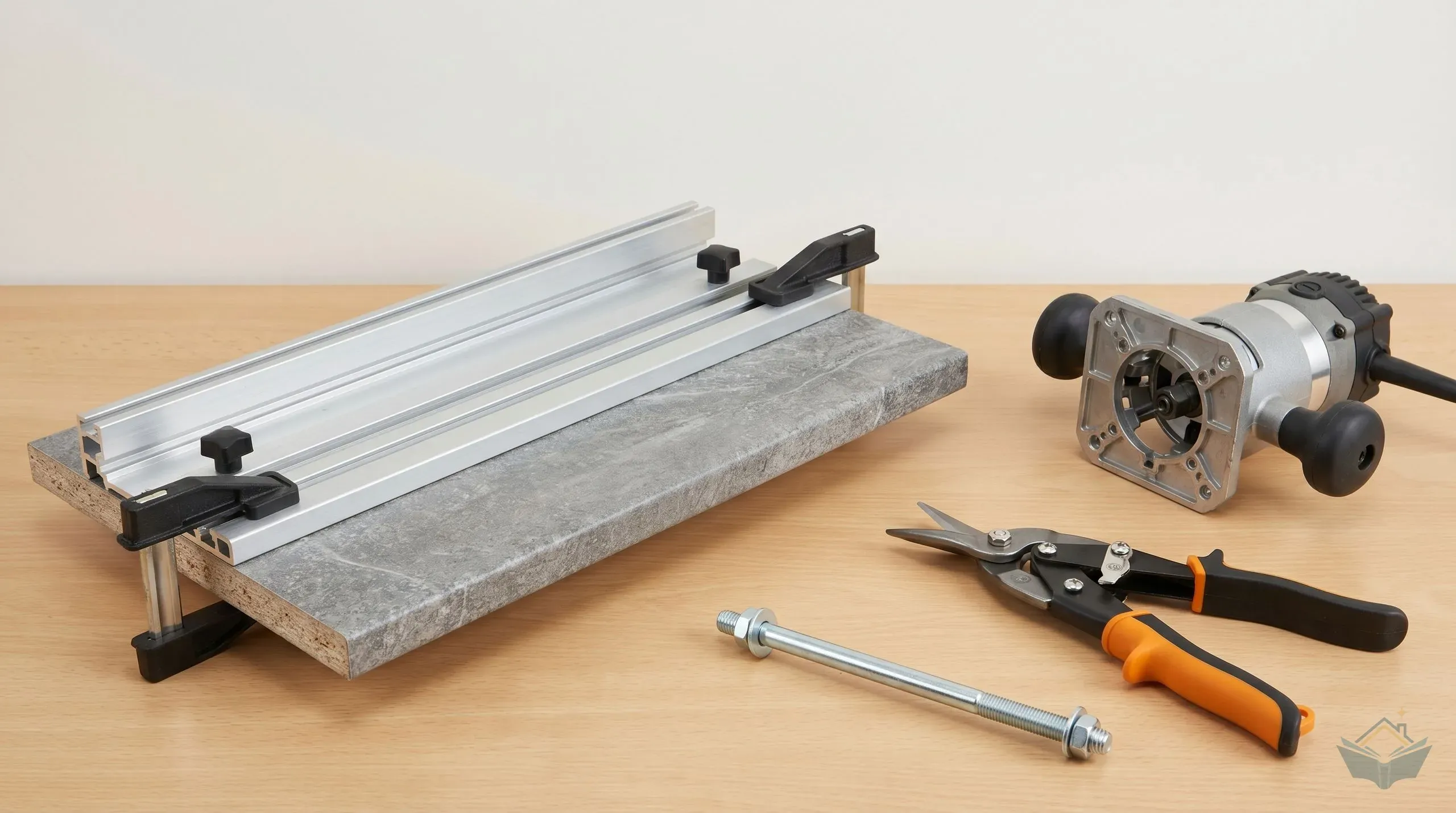
Worktop Jigs: Mason's Mitre Joints That Actually Disappear
What a worktop jig does, why a 1/2-inch shank router is mandatory, the Trend KWJ900 trade default, and the joint sequence that produces a gap-free finish. Buy from £150.