
Electrical Tools
Multimeters, voltage testers, wire strippers, crimping tools, and cable detectors - the electrical safety and testing tools you need when managing first and second fix electrical work.
As a homeowner project manager, you are not doing the electrical work yourself, but you do need to understand it, check it, and work safely around it. That means knowing how to check for hidden cables before drilling or cutting, how a circuit is proved dead before anyone works on it, and what the tools your electrician uses actually do.
These guides cover the testing and hand tools used during first and second fix on a UK extension. Each explains what the tool does, how to use it safely, and what to buy if you want your own set for site supervision and checking your builder's work.
Where to start
Start with safe isolation and proving dead. It sets out the prove-test-prove sequence your electrician should follow every time, so you can tell whether it is being done. Then read voltage testers, which explains why a non-contact pen on its own is not enough, and cable detectors, which covers what a wall scanner can miss before anyone drills into a wall.
The guides, grouped by job
Proving a circuit dead. The two-pole voltage tester is the tool that proves a circuit dead, the proving unit confirms the tester works before and after, and an MCB lockout device stops anyone switching the circuit back on while work is under way.
Checking and fault-finding. A multimeter for continuity and basic readings, and a socket tester for a quick screen of finished sockets. A socket tester is a snagging aid, and it does not replace your electrician's certification tests.
Before you drill. The cable detector and its limits, and an inspection torch for looking into voids and for the snagging walk.
Terminating cable. Wire strippers and the crimping tool, the two tools that decide whether a conductor is stripped cleanly and terminated properly.
Where these fit in the build
Socket and switch positions are fixed in electrical layout planning. Safe isolation matters most during first fix electrics and second fix electrics, when existing circuits are being extended. The socket tester and torch come into their own on the snagging checklist.
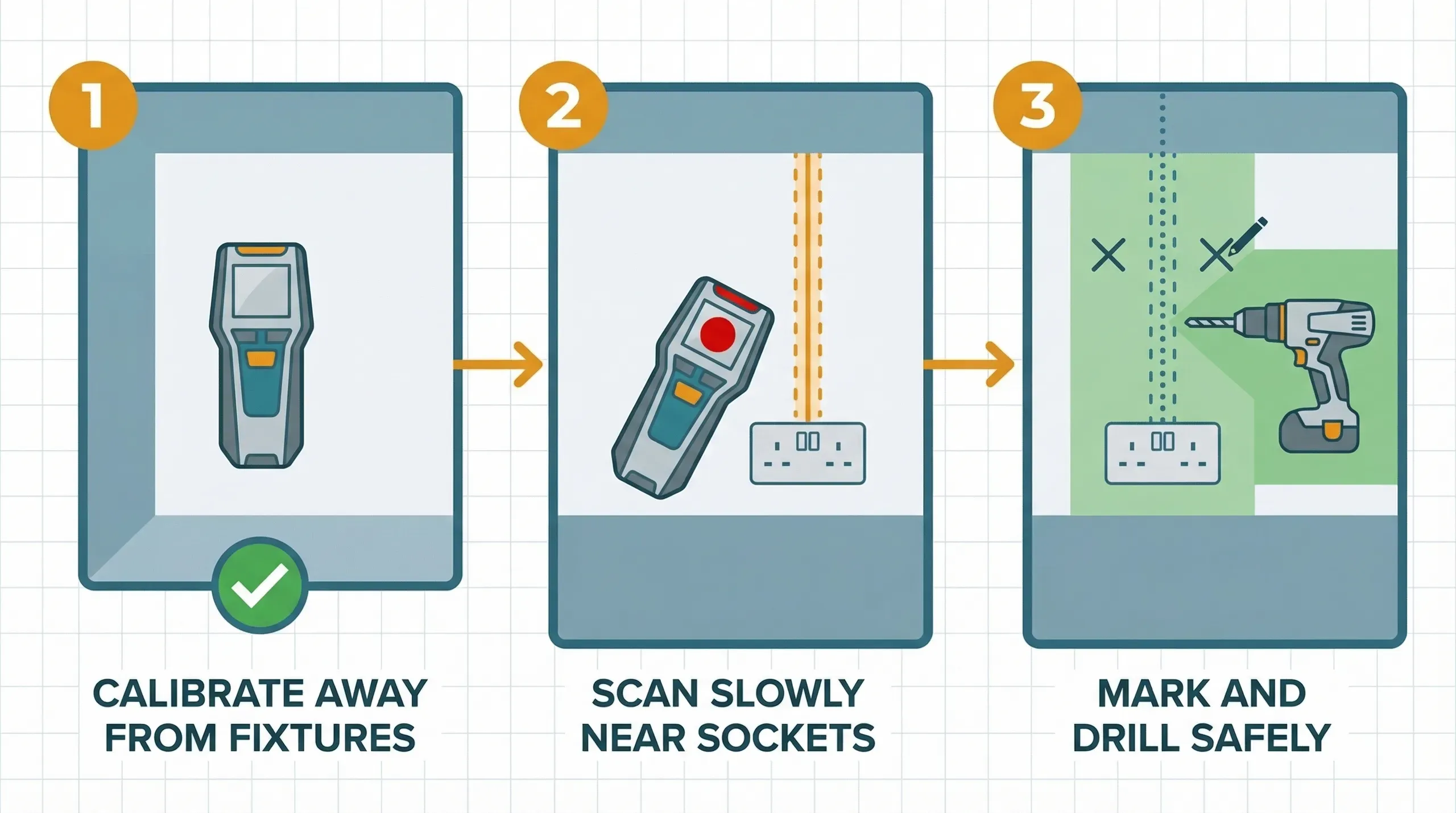
Cable Detectors: What They Find, What They Miss, and How to Use One Before Drilling
The UK guide to cable detectors. Why wall scanners miss dead circuits and plastic pipes, which walls defeat them, and what to buy from £20 to £120.
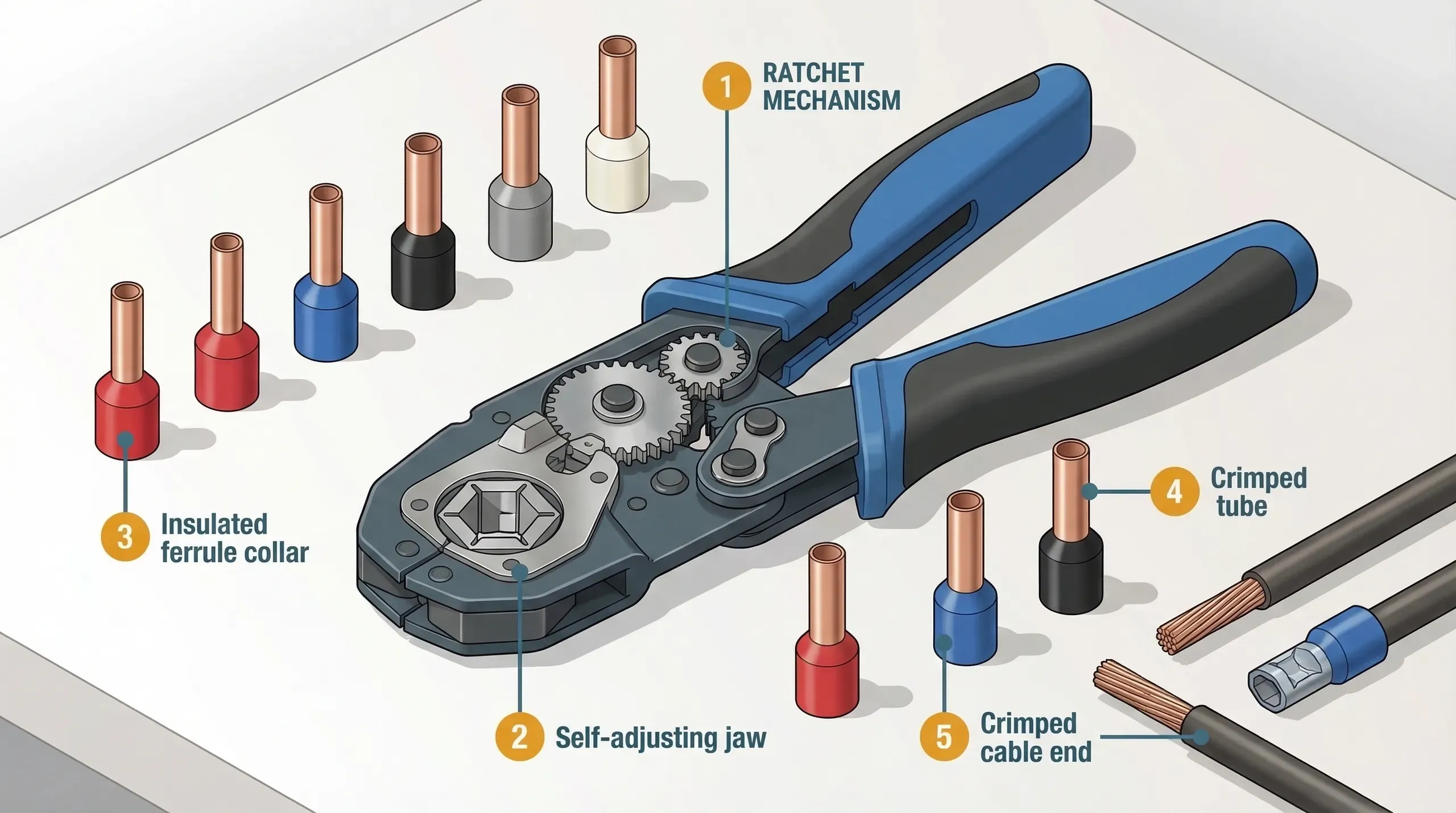
Crimping Tools: Why You Need One, What to Buy, and How to Crimp Properly
The UK guide to crimping tools for domestic electrical work. Ratchet vs basic, bootlace ferrule sizes, and what to buy from £6 – £12.
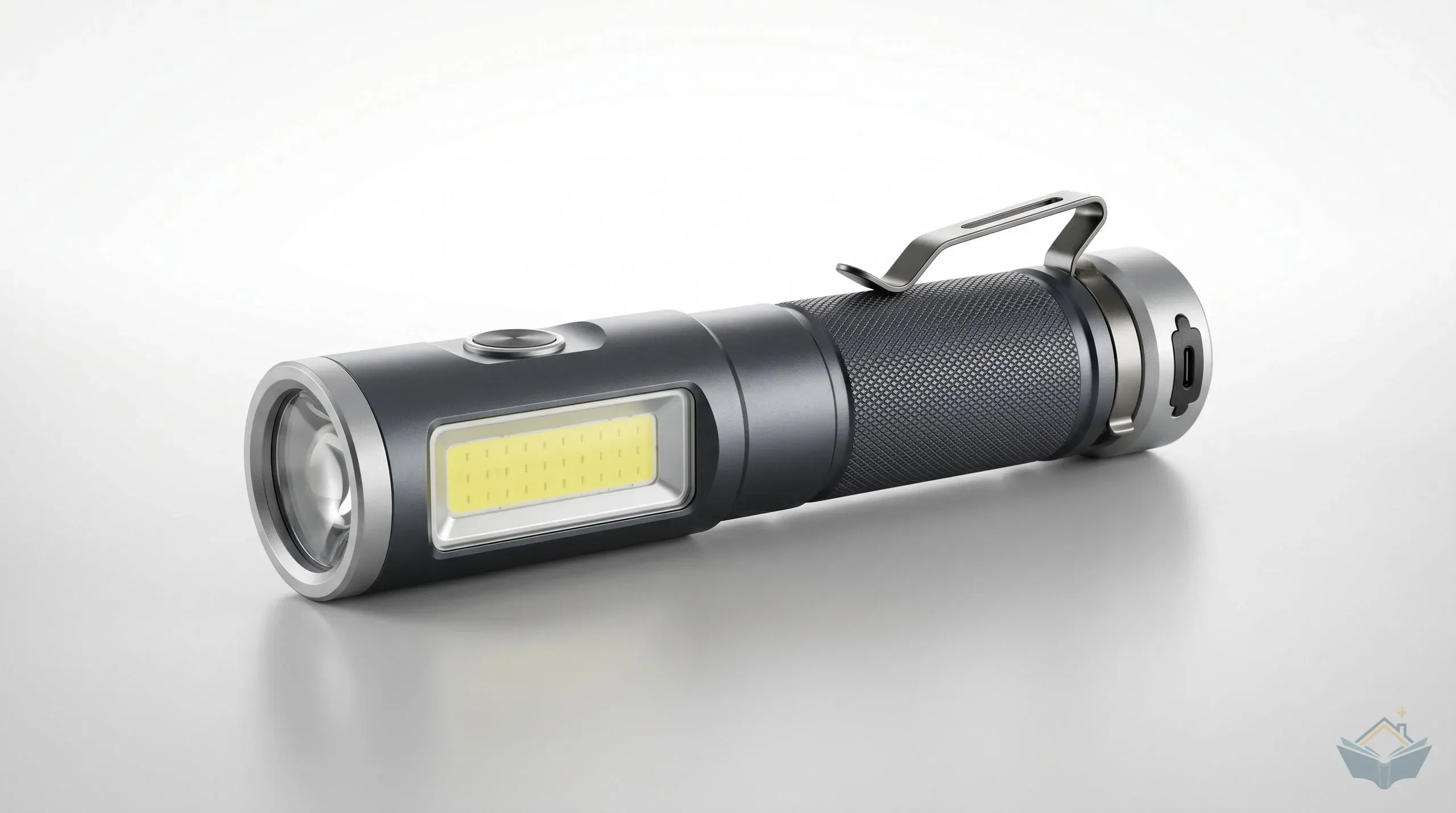
Inspection Torch: What to Buy for Snagging, Voids and Site Use
Why your phone torch is not enough, what lumens you actually need for a snagging walk, and the honest position on raking-light technique versus NHBC standards.
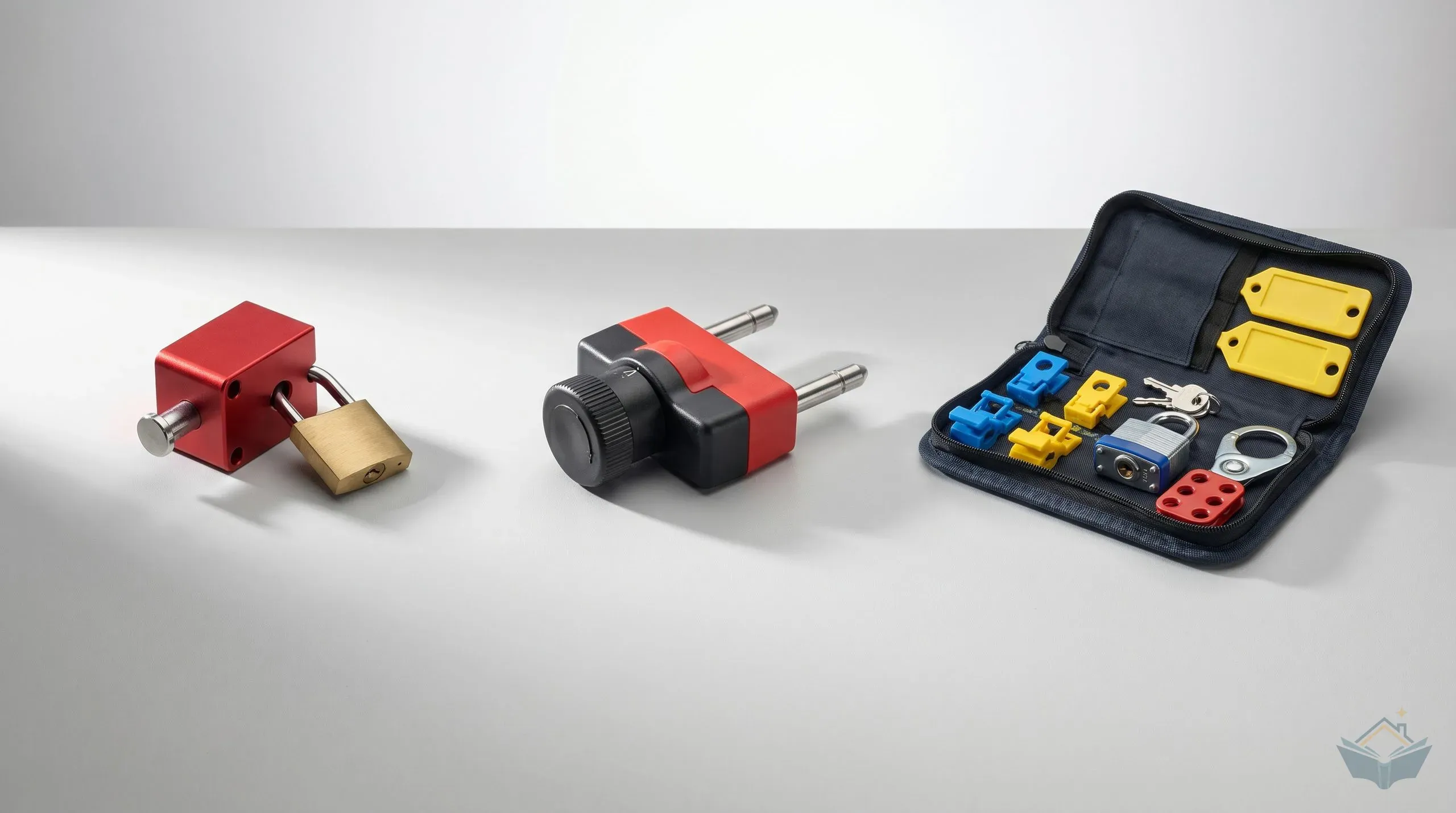
MCB Lockout Devices: How to Stop a Family Member Switching the Power Back On
The complete UK guide to MCB lockout devices. Why insulating tape fails, how to choose the right device for your consumer unit, and kits from £10 – £15.
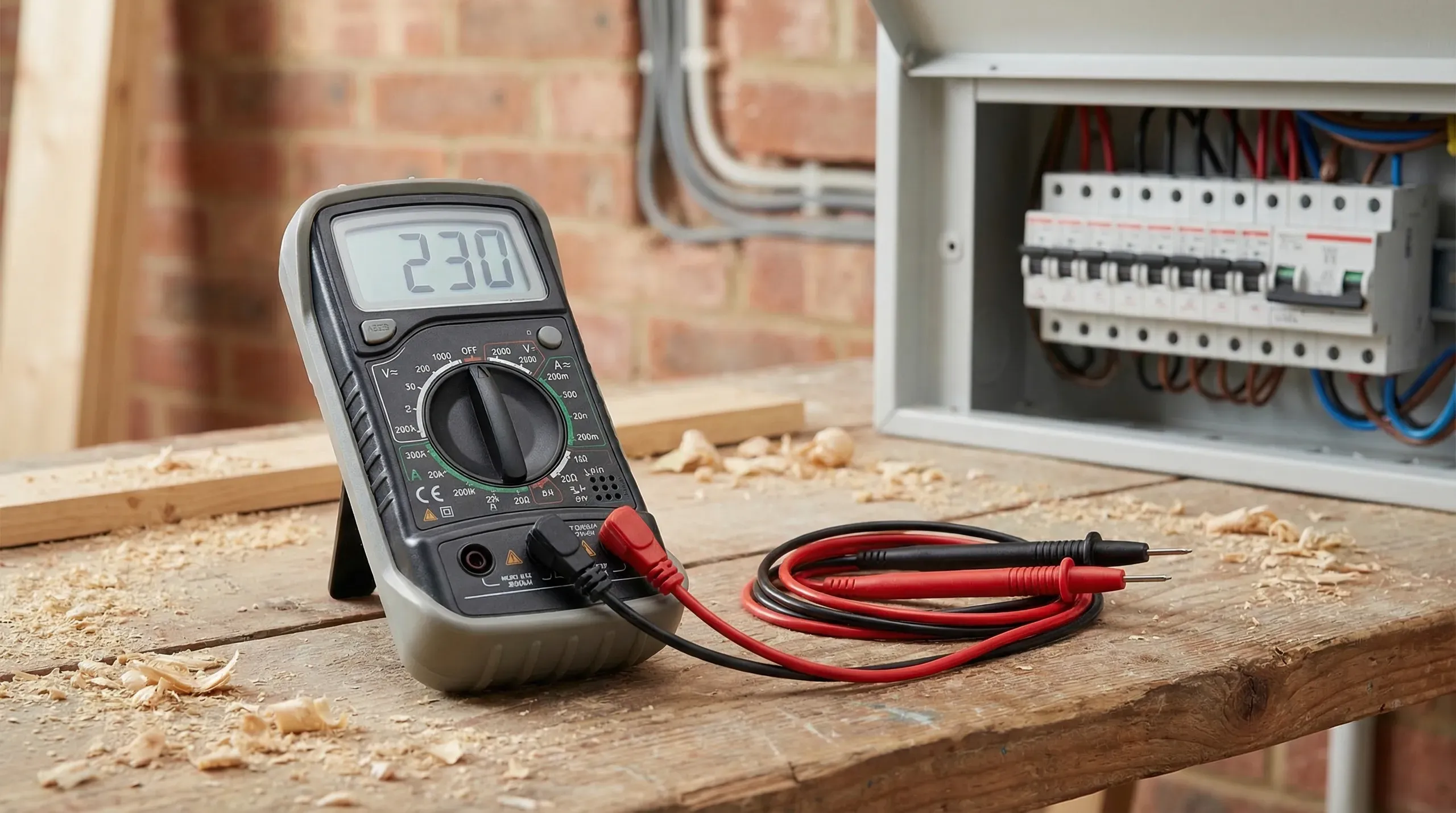
Multimeters: What to Buy, How to Use One Safely, and Why CAT Ratings Matter
The UK homeowner's guide to digital multimeters. How to test sockets, check continuity, and avoid unsafe meters. Budget models from £13 – £30.
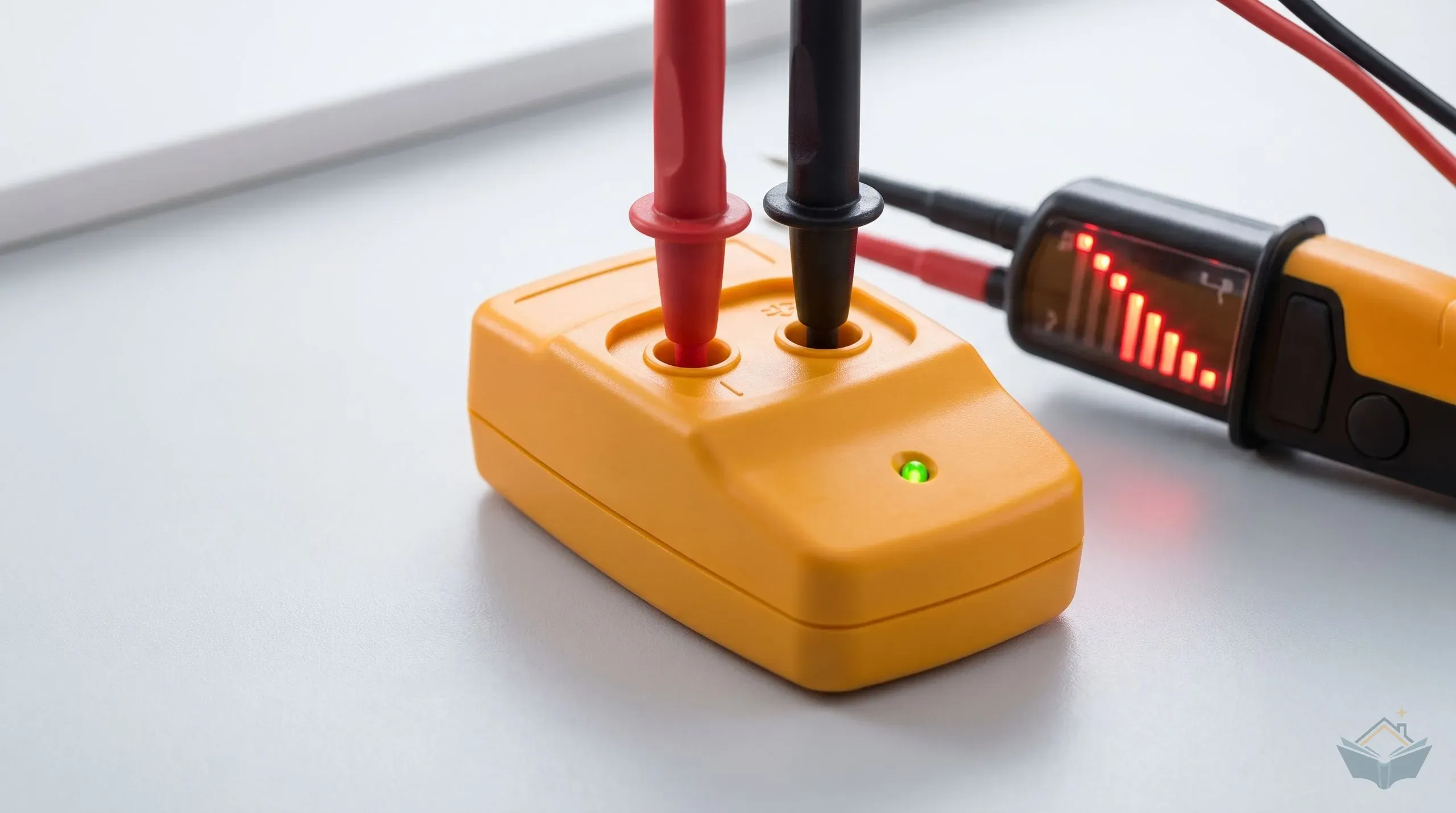
Proving Units: The Tester That Tests the Tester (And Why GS38 Doesn't Quite Mandate One)
The complete UK guide to proving units. Models from £84 – £117, GS38 4th Edition rules, and what to expect when your sparky proves a circuit dead.
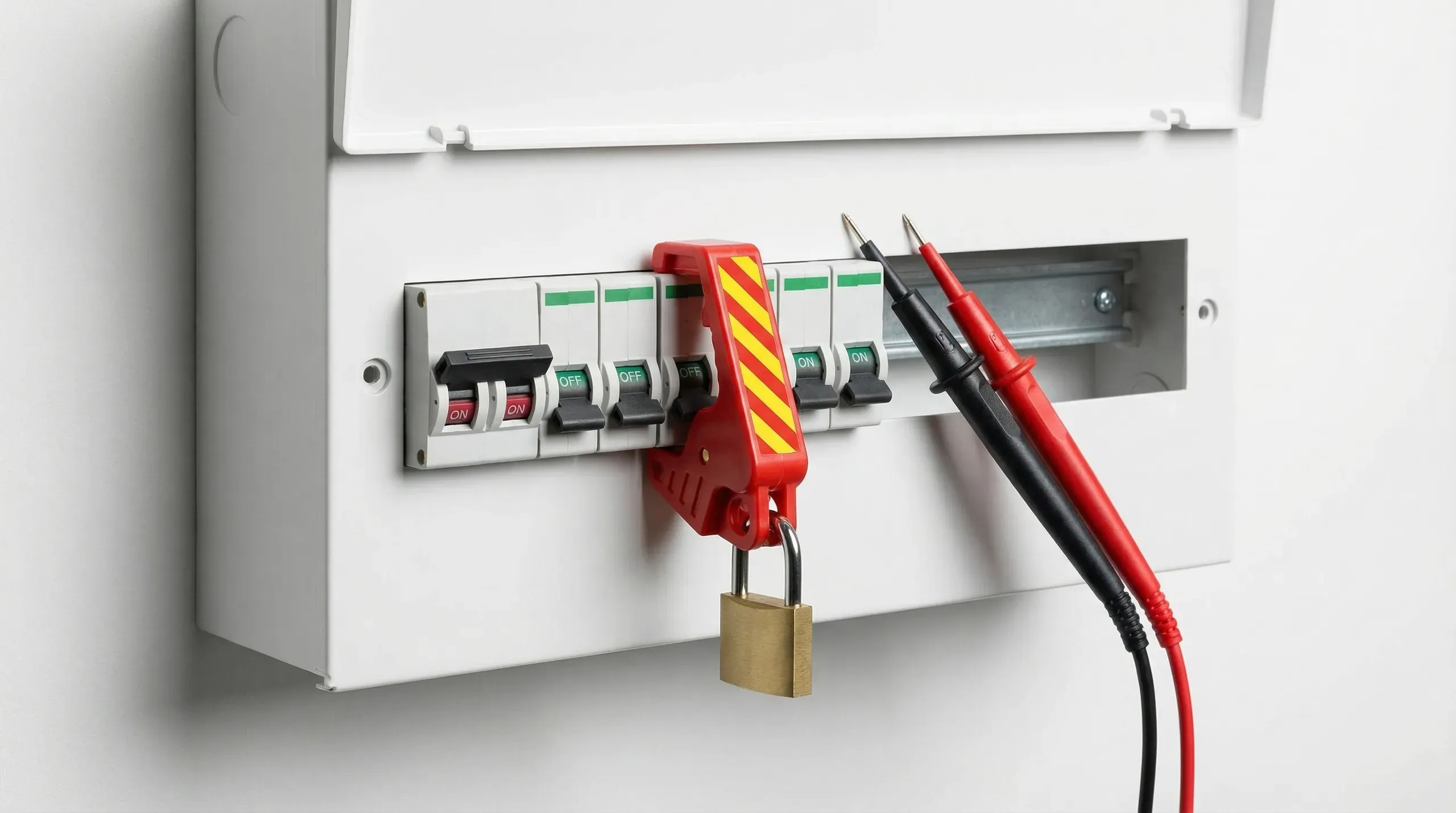
Safe Isolation and Proving Dead: The Procedure That Stops People Getting Killed
The complete UK guide to safe isolation. Prove-test-prove sequence, MCB lockout devices from £10 – £15, and what your electrician should be doing.
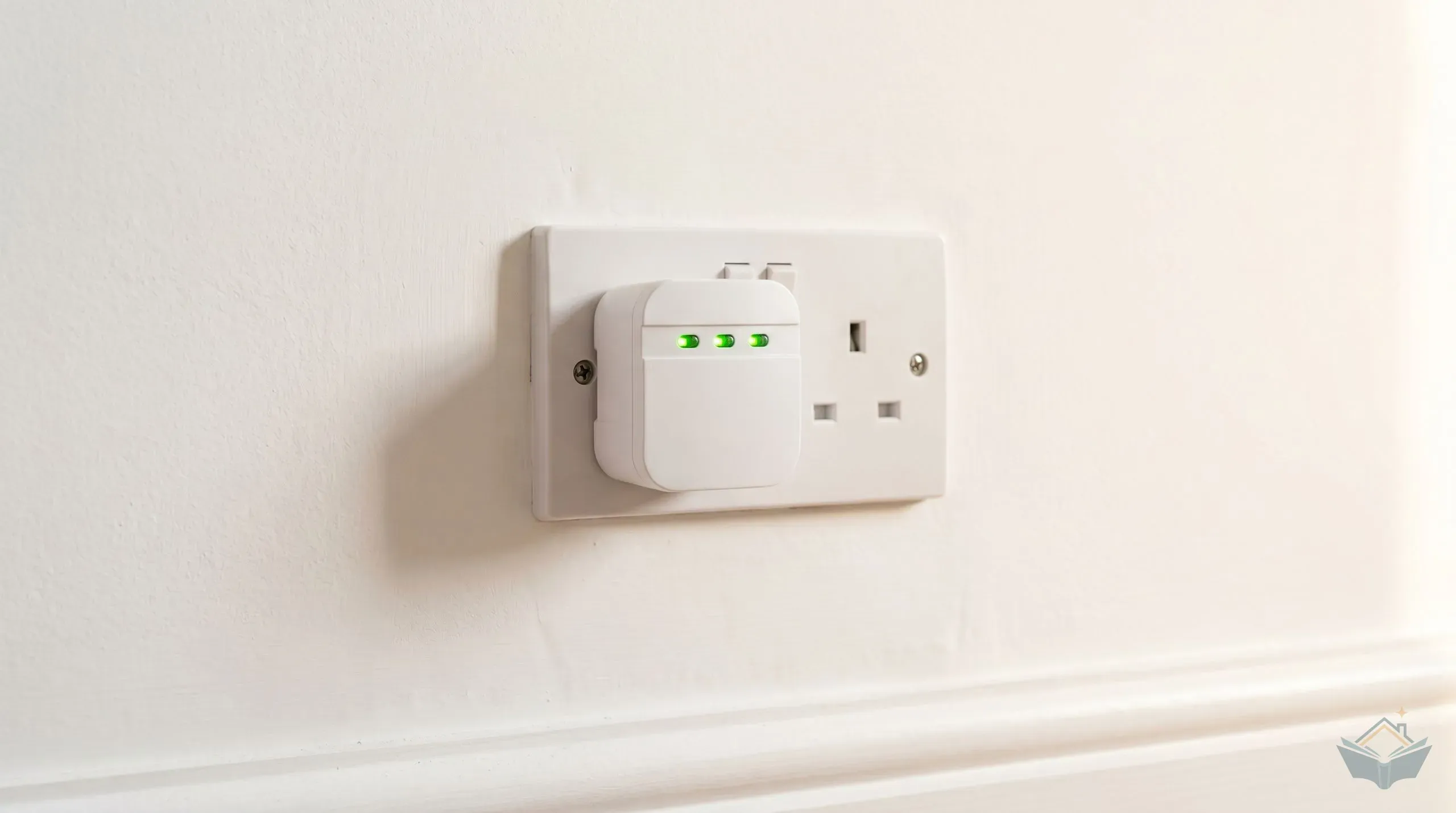
Socket Testers: A Homeowner's Screening Tool, Not a Certification Instrument
The UK guide to plug-in socket testers. What 3-LED testers catch, the N-E reversal they can't, and why a Kewcheck 103 (£18-24) is the right pick for snagging.
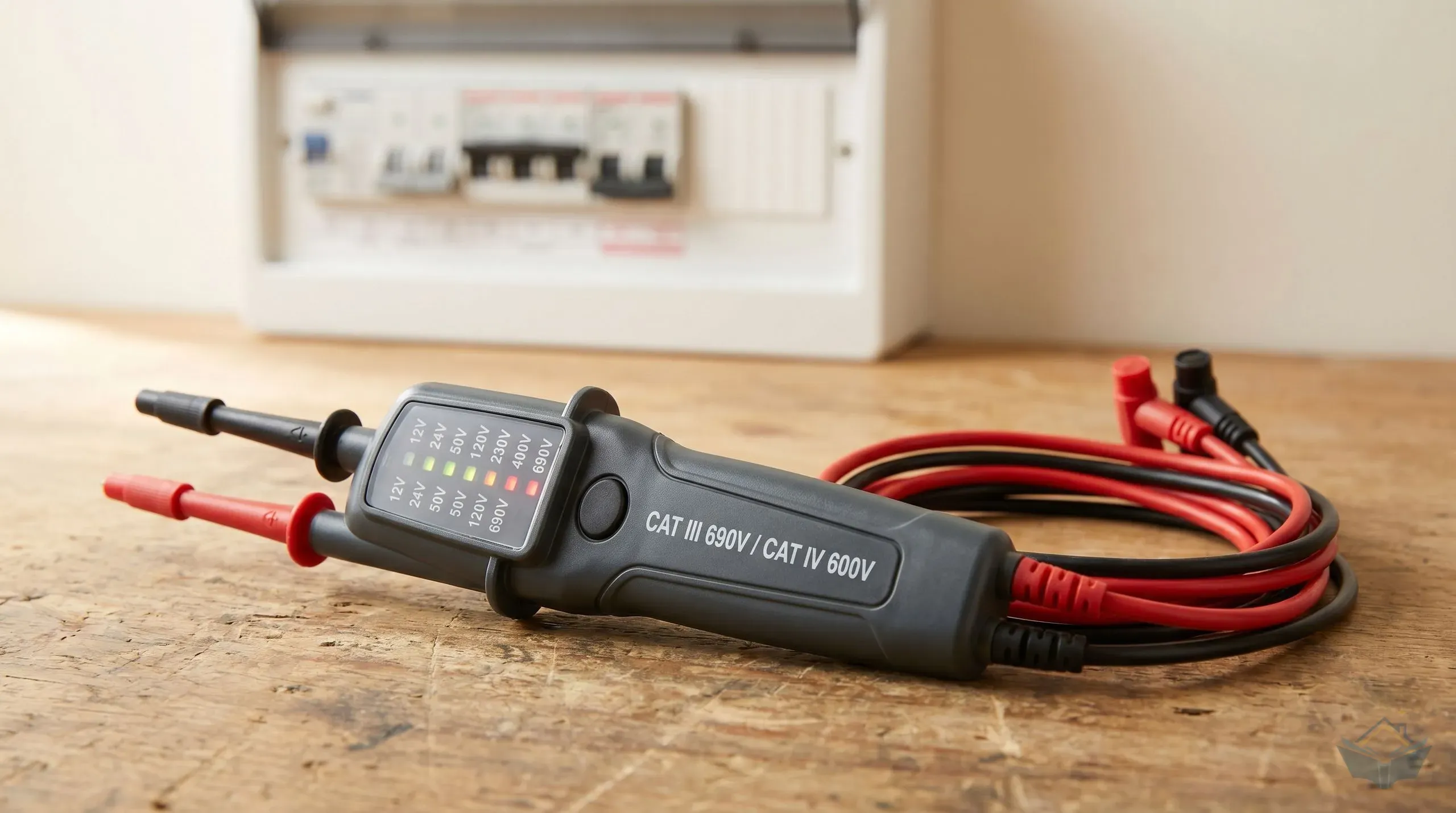
Two-Pole Voltage Testers: The Only Tool That Proves a Circuit Dead
The UK guide to GS38-compliant two-pole voltage testers. Models from £49 – £55, the prove-test-prove sequence, and CAT ratings explained.
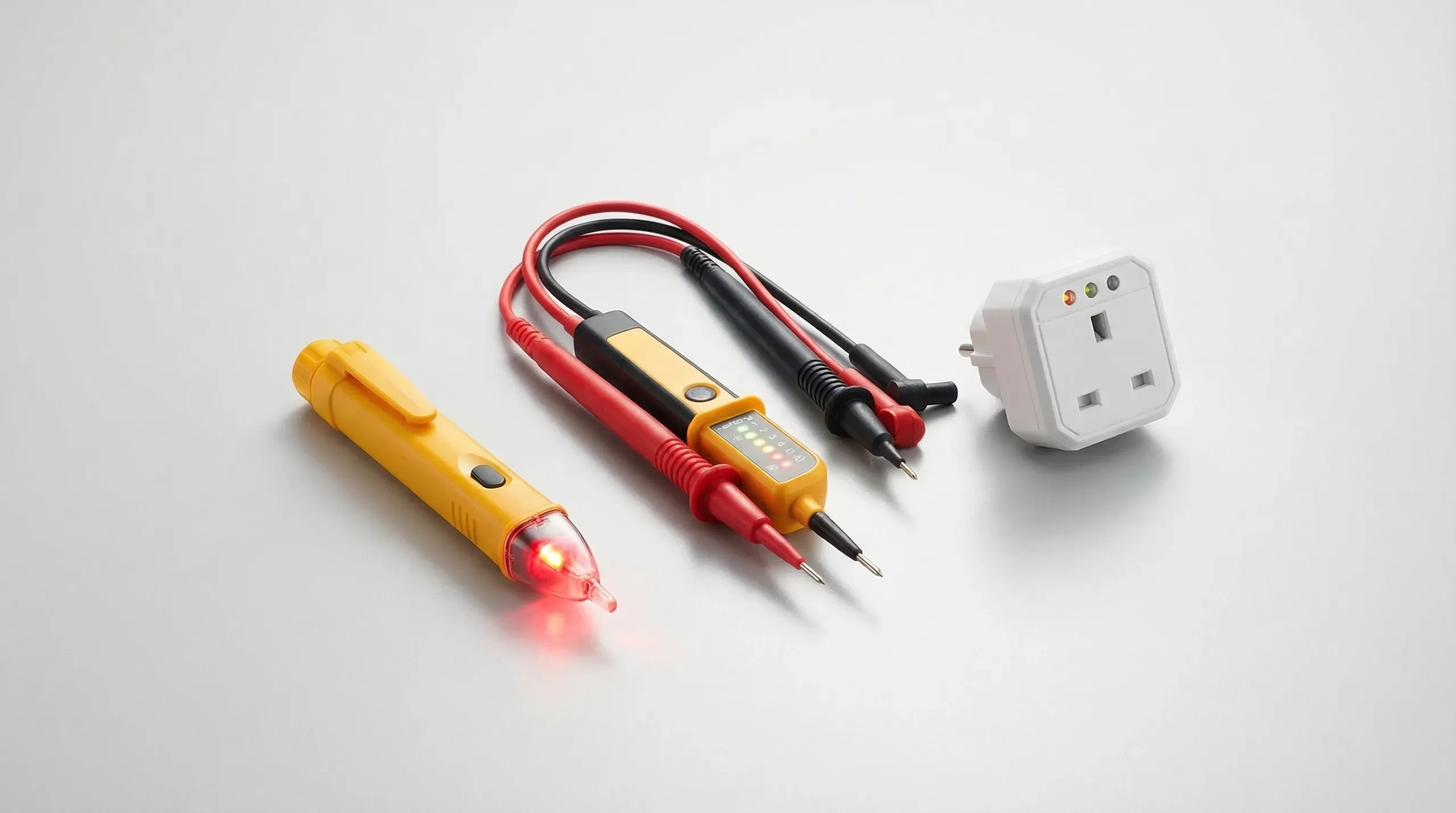
Voltage Testers: NCV Pens, Two-Pole Testers, and Socket Testers Explained
The complete UK guide to voltage testing tools. NCV pens from £8 – £13, two-pole testers, socket testers, and why you need more than one.
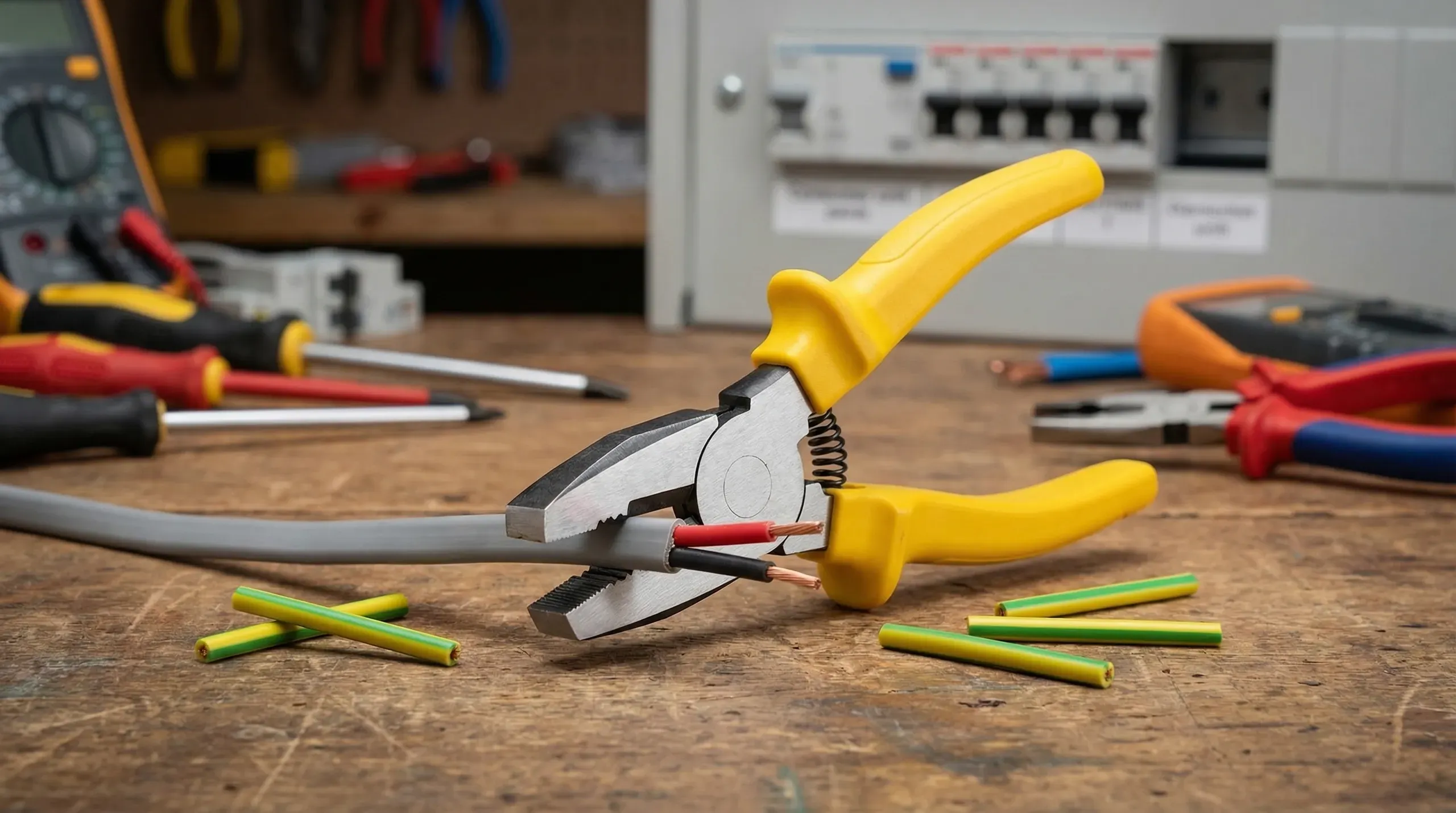
Wire Strippers: Types, Techniques, and What to Buy for UK Domestic Wiring
The complete UK guide to wire strippers for domestic electrical work. Which type handles your cable size, how to strip without nicking conductors, and what to buy from £6 – £11.