
Diagnostic & Testing Tools
Tools for testing, monitoring, and conditioning a build: drain pressure tests, hygrometers for screed moisture, dehumidifiers for plaster drying, and crack monitors for structural movement.
Testing is where you find out whether the work was done right. The tools in this category sit slightly outside the regular trade kit. You bring them out before a drainage inspection, while plaster and screed dry, before flooring goes down, and through the defects liability period to show whether movement is settling.
A drain test kit is a cheap way to catch a leaking joint before the building control officer does. A hygrometer box test is the only BS-compliant way to confirm a screed is dry enough for engineered wood. A crack monitor gives you a dated record of whether a hairline crack at the junction of old and new walls is settling or progressing, which is the evidence you need if a defects claim turns into a dispute.
Where to start
If you read one guide before groundwork, make it the drain test kit: a pre-test the day before the inspection lets you fix a leak on your own schedule. If you are laying wood or LVT over a screed, read the hygrometer guide before you book the floor fitter, because laying on a wet screed can cup the boards within months.
The guides, grouped by job
Drainage. The drain test kit explains the air test method building control uses and how to run it yourself.
Drying and moisture. A dehumidifier speeds up plaster and screed drying. A moisture meter tracks progress on plaster and timber, and the hygrometer box test gives the relative humidity reading flooring manufacturers ask for. A moisture meter reading does not replace the hygrometer test.
Movement. The crack monitor guide shows where to fit tell-tales at handover and how to record readings through the defects period.
Where these fit in the build
The drain test belongs to drainage and the drainage and oversite inspection. Drying tools come out at plastering and after underfloor heating and screed, with the hygrometer test done before flooring. Crack monitors go up around the snagging checklist at handover. The screed drying time calculator gives a rough idea of how long to wait before testing.
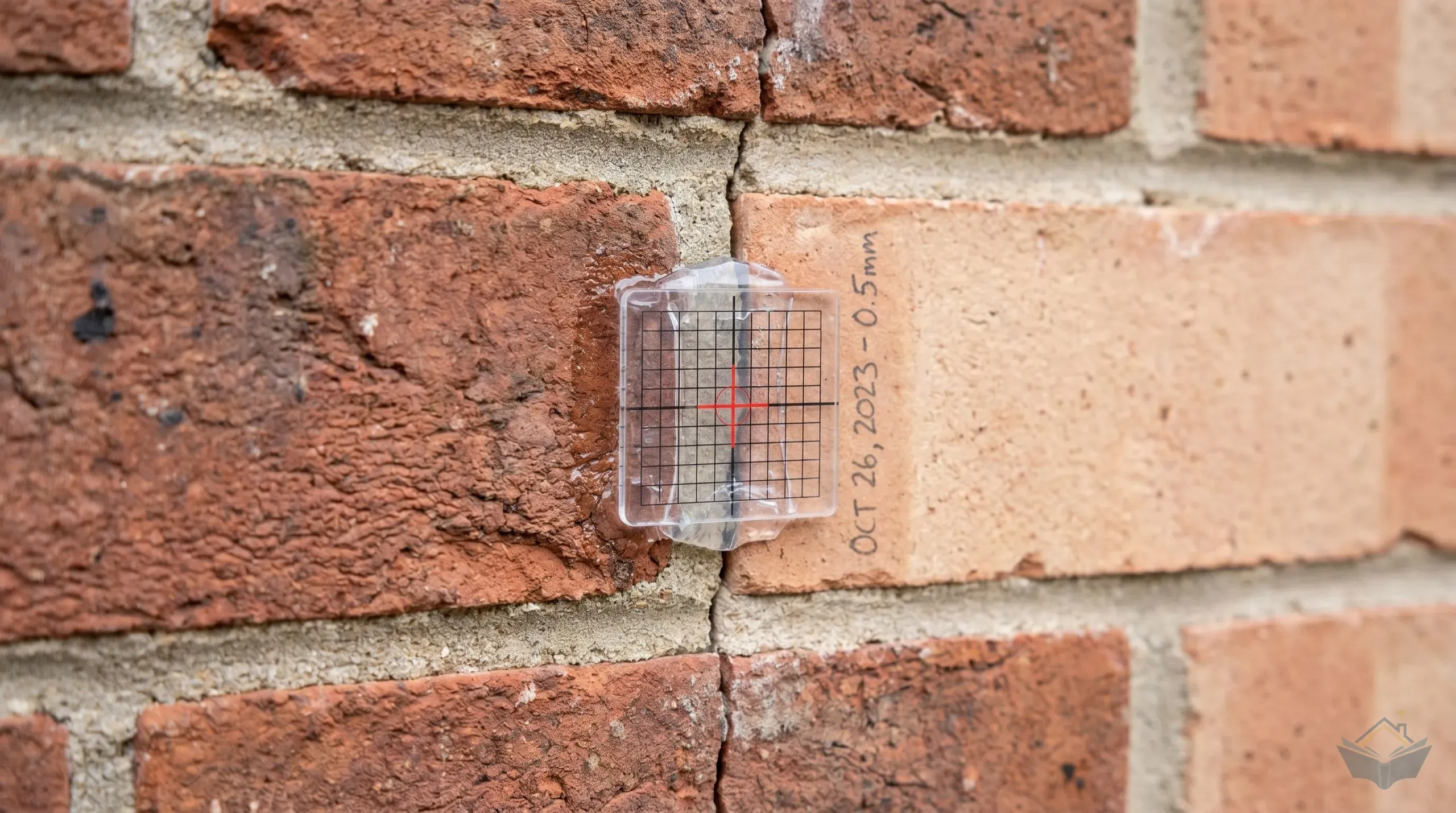
Crack Monitors: How to Prove a Hairline Crack Is Stable Or Progressing
What an Avongard tell-tale is, how to fit and read one, and why dated photographs of monitor readings settle defects-period disputes. Buy from £15.
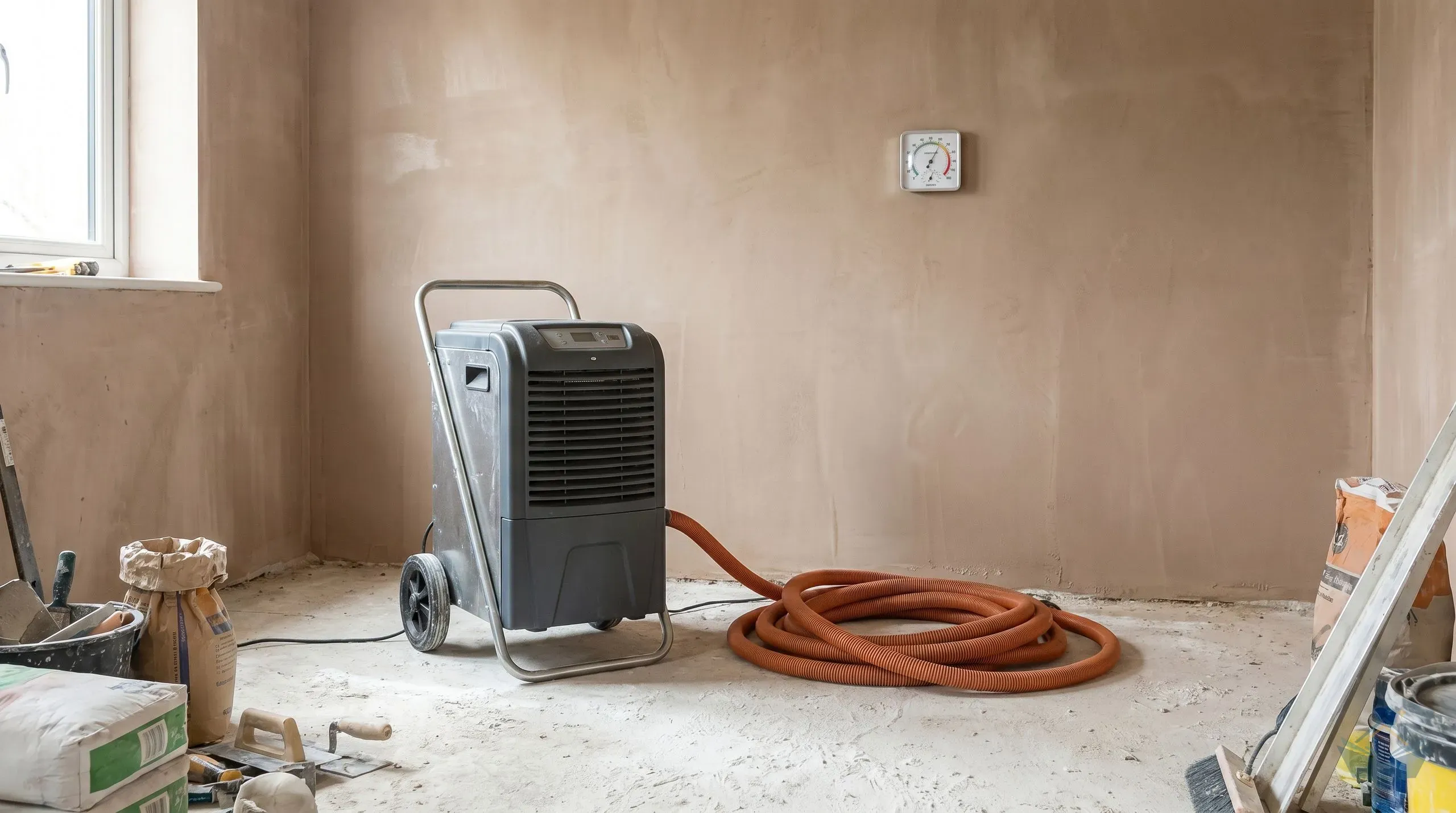
Construction Dehumidifiers: How to Speed Up Plaster and Screed Drying
What a dehumidifier does, the difference between compressor and desiccant models, the conditions each handles best, and how to hire one from £44/week.
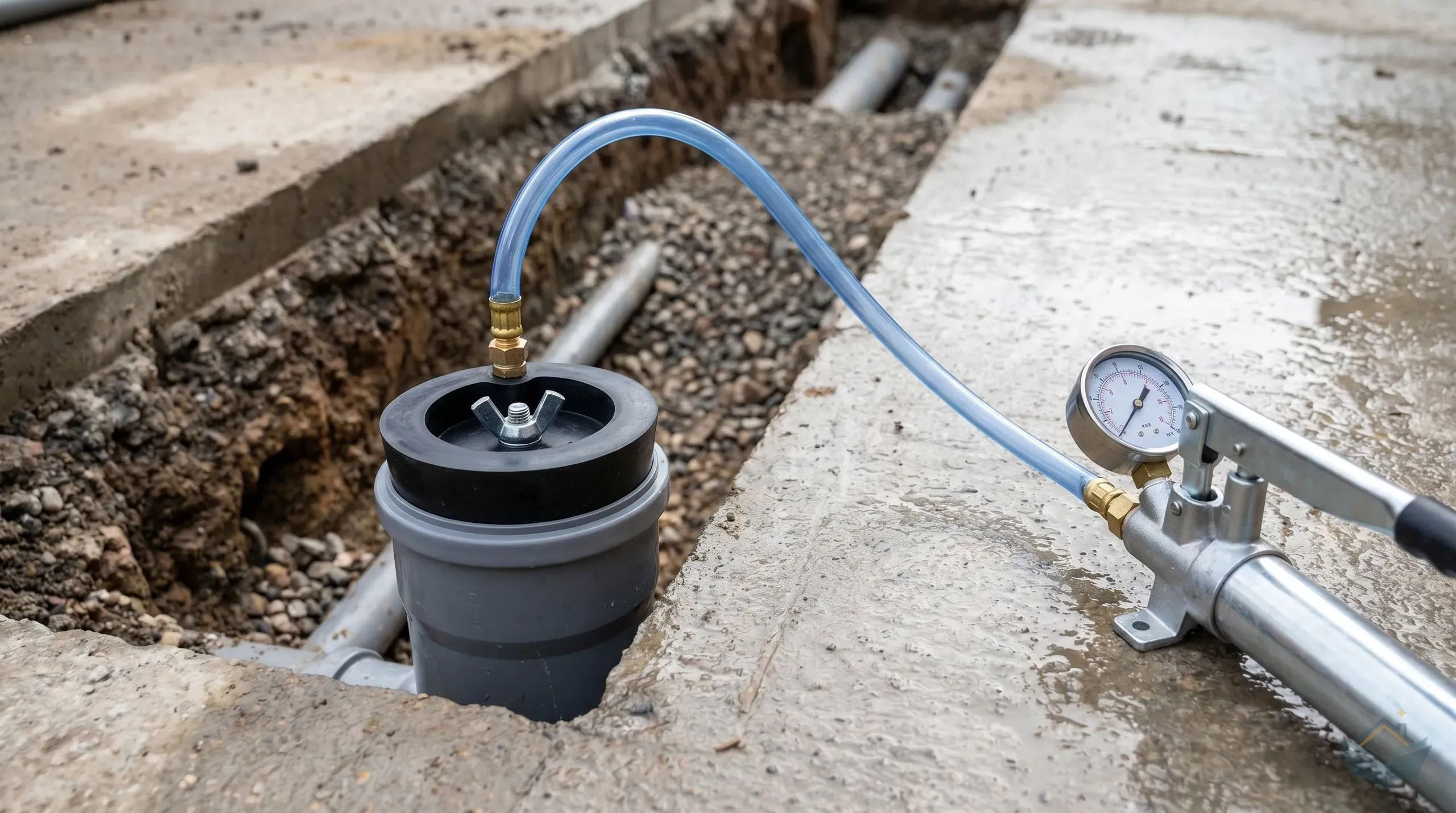
Drain Test Kit: Pre-Test Your Drainage Before the Building Inspector Arrives
What an air test kit is, the BS EN 1610 / Approved Document H test method, and why a £40 kit pays for itself by catching leaks before the BCO visit.
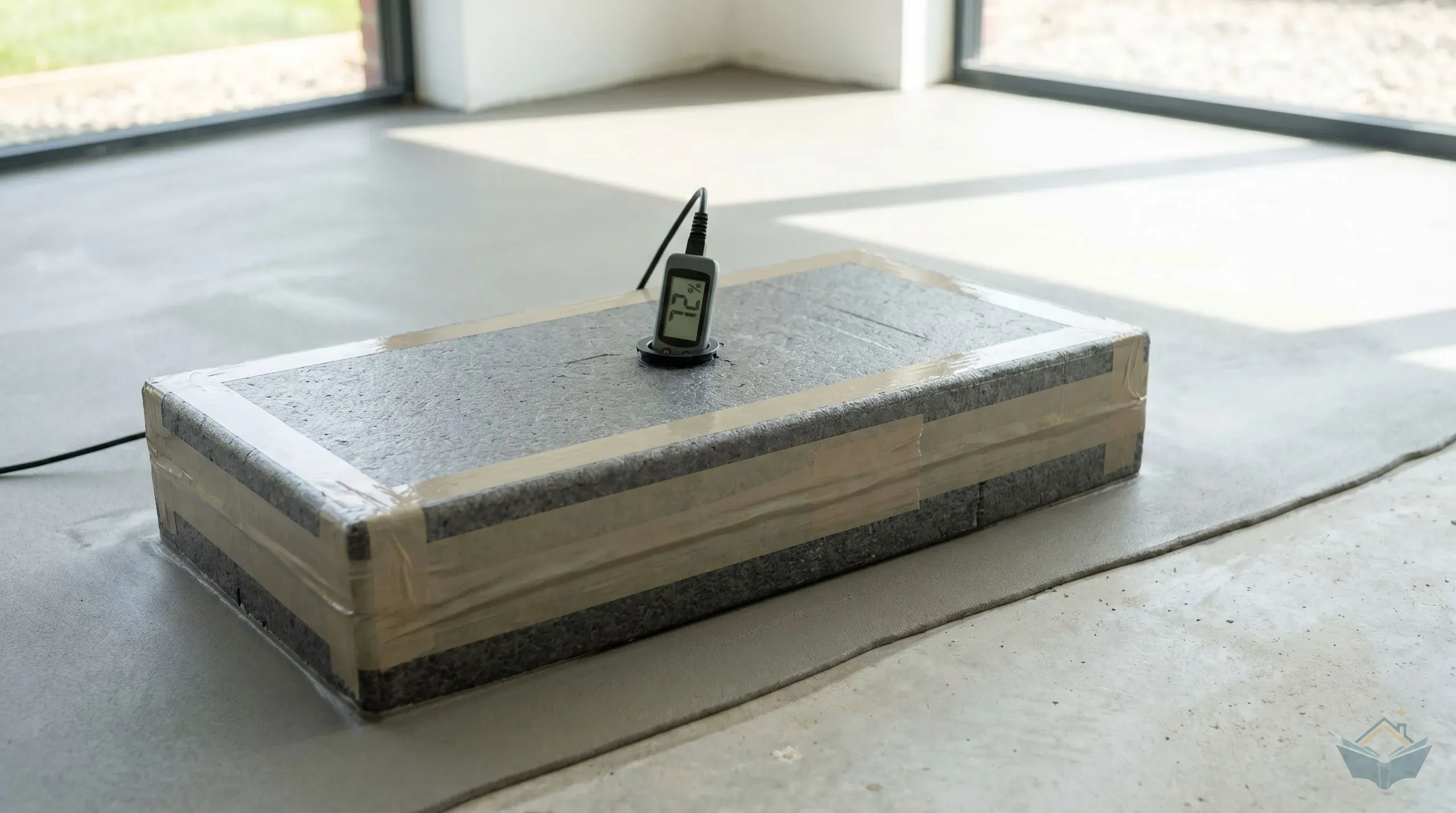
Hygrometer Box Test: The Only BS-Compliant Way to Confirm a Screed Is Dry
What a hygrometer box test is, why concrete moisture meters do not satisfy BS 8203/8204, and the 75% RH threshold every floor finisher checks for. Hire from £25/day.

Moisture Meters: Checking Plaster, Timber, and Screed Before You Finish
When to use a pin or pinless moisture meter, what the readings mean for plaster and timber, why it is not a substitute for a hygrometer box test, and prices from under £20.