
Sheet Materials
Plasterboard, cement board, and lining products for walls, ceilings, and wet areas in your extension, including which board goes where and why it matters.
Not all boards are the same. Put standard plasterboard in a wet area and it will swell and fail. Put fire-rated board where it is not needed and you have spent money for nothing. Knowing which sheet material goes where is one of the simpler bits of knowledge that saves real problems later.
These guides cover the sheet materials and joint tape used to line an extension: standard plasterboard for dry walls and ceilings, moisture-resistant board for areas that get splashed, fire-rated board where Part B asks for fire resistance, and cement board behind tiles in properly wet areas. Each page explains what the product is, where it is required, and what to look for when it arrives on site.
Where to start
Start with standard plasterboard, because it lines most of your walls and ceilings. Then read moisture-resistant plasterboard, which sets out the decision between green board and cement board for each zone of a kitchen. If your extension has exposed steels to box in, fire-rated plasterboard matters too: fire resistance comes from the whole system of board, screws and joint treatment, so a pink board fixed like a standard one may not pass.
The guides, grouped by job
Boards. Standard plasterboard, moisture-resistant plasterboard, fire-rated plasterboard and cement board for tile backing.
Joints. Scrim tape, including when mesh tape suits the job, when paper tape is the right call, and why internal corners are where cracks tend to appear.
Where these fit in the build
Fire-rated board is used to box in beams at steels and lintels. The rest go up at plastering, with moisture-resistant and cement board carrying on into tiling. To check how many boards you should be paying for, use the plasterboard quantity calculator.
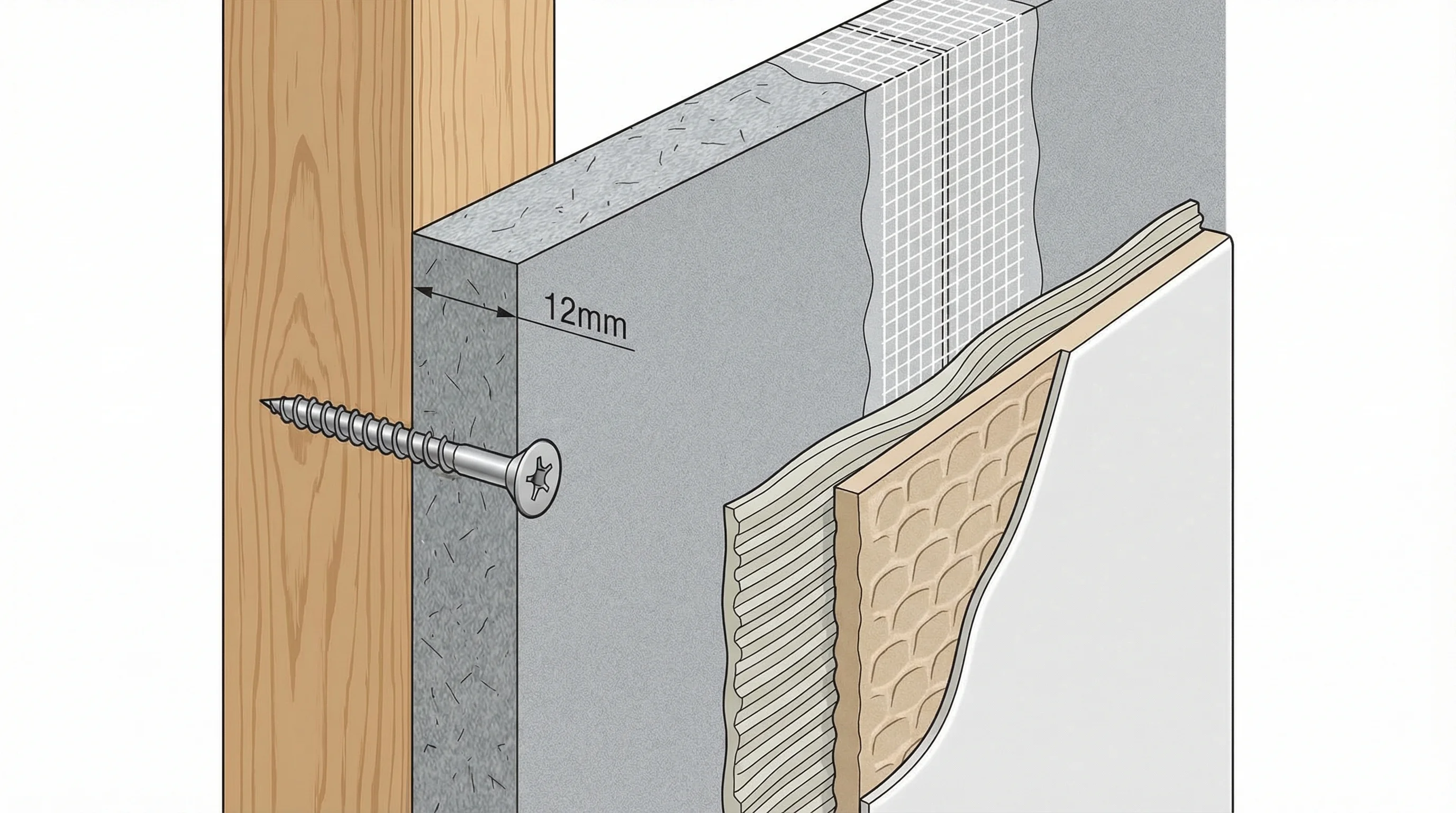
Cement Board (Tile Backer Board): The Substrate That Stops Your Tiles Falling Off
UK guide to cement board for tiling: HardieBacker 250 vs 500, cement board vs XPS foam, cutting safely, fixing methods, NHBC 2025 rules, and prices from ~£11-15/board.
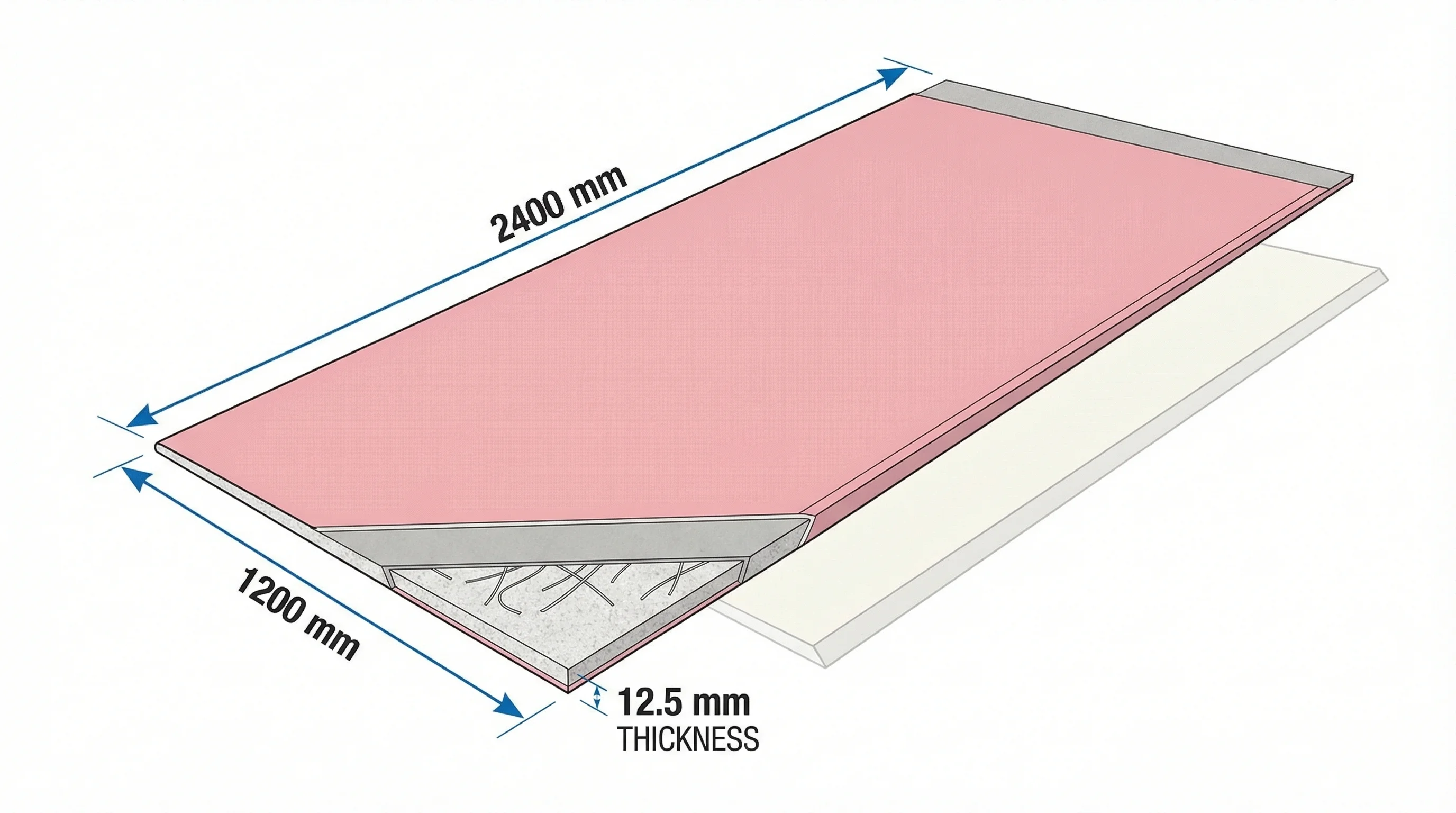
Fire-Rated Plasterboard (Pink Board): Where You Need It, How It Works, and What to Buy
UK guide to fire-rated plasterboard: where Part B requires it, fire ratings by thickness, installation differences, the system concept, and current prices from £17-28 per board.
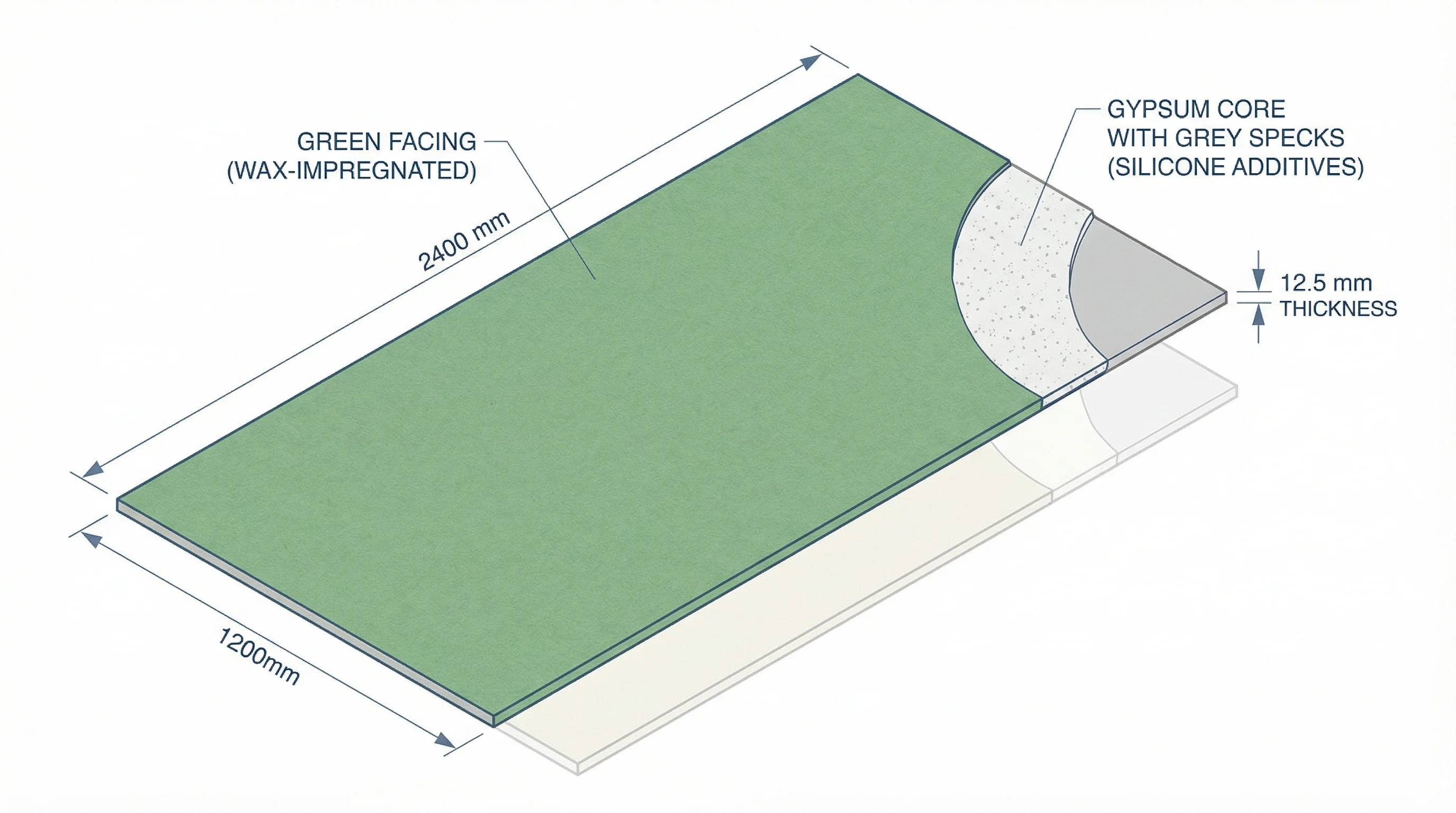
Moisture-Resistant Plasterboard (Green Board): When You Need It and When You Don't
UK guide to moisture-resistant plasterboard: where building regs require it, green board vs cement board decision guide, tiling prep, skimming with Bond-it, and current prices from ~£13-19/board.
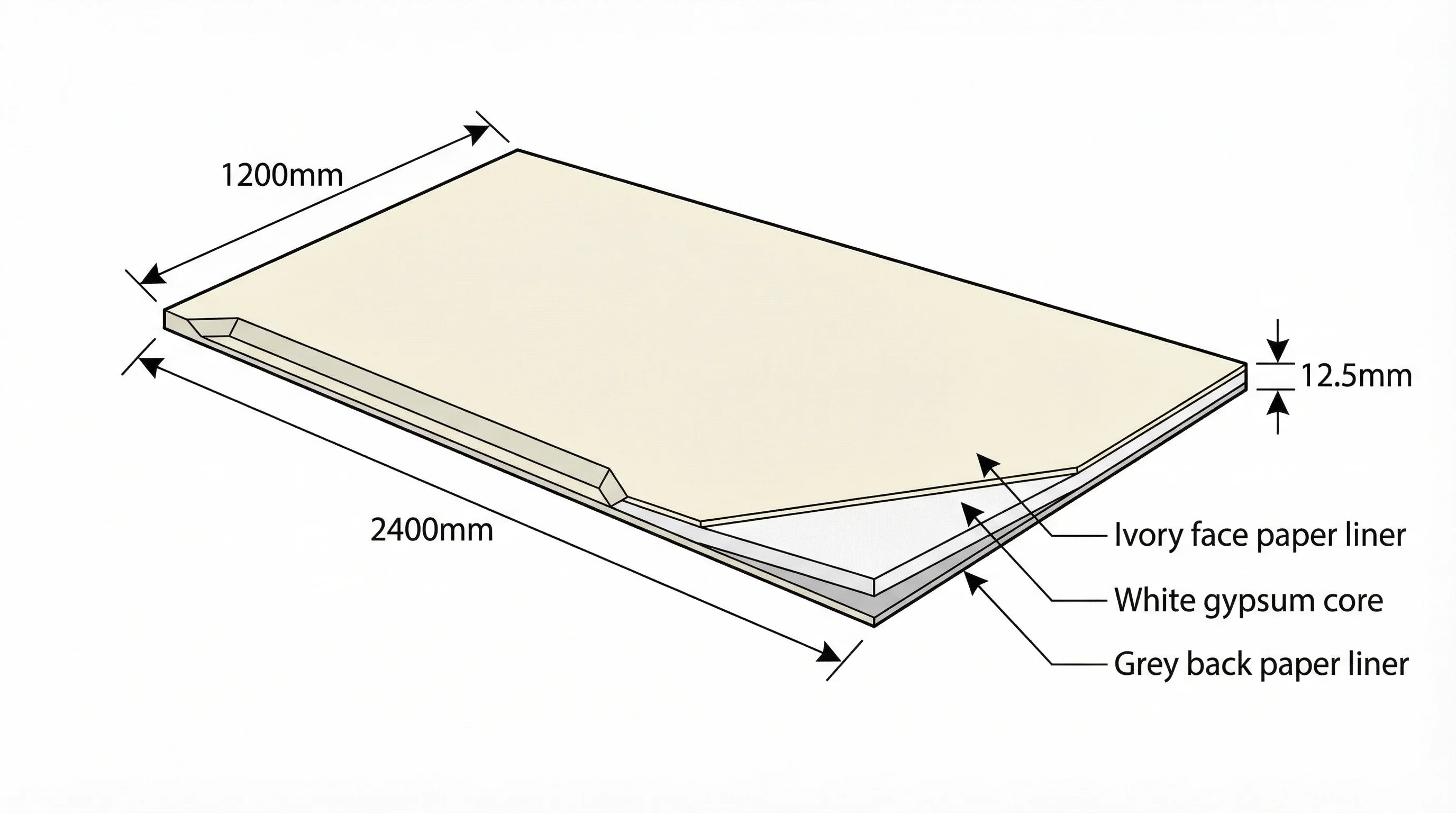
Standard Plasterboard (12.5mm): The UK Homeowner's Complete Guide
Everything you need to know about 12.5mm plasterboard: types, fixing methods, screw specs, quantity calculations, and current UK prices from ~£9-13 per board.
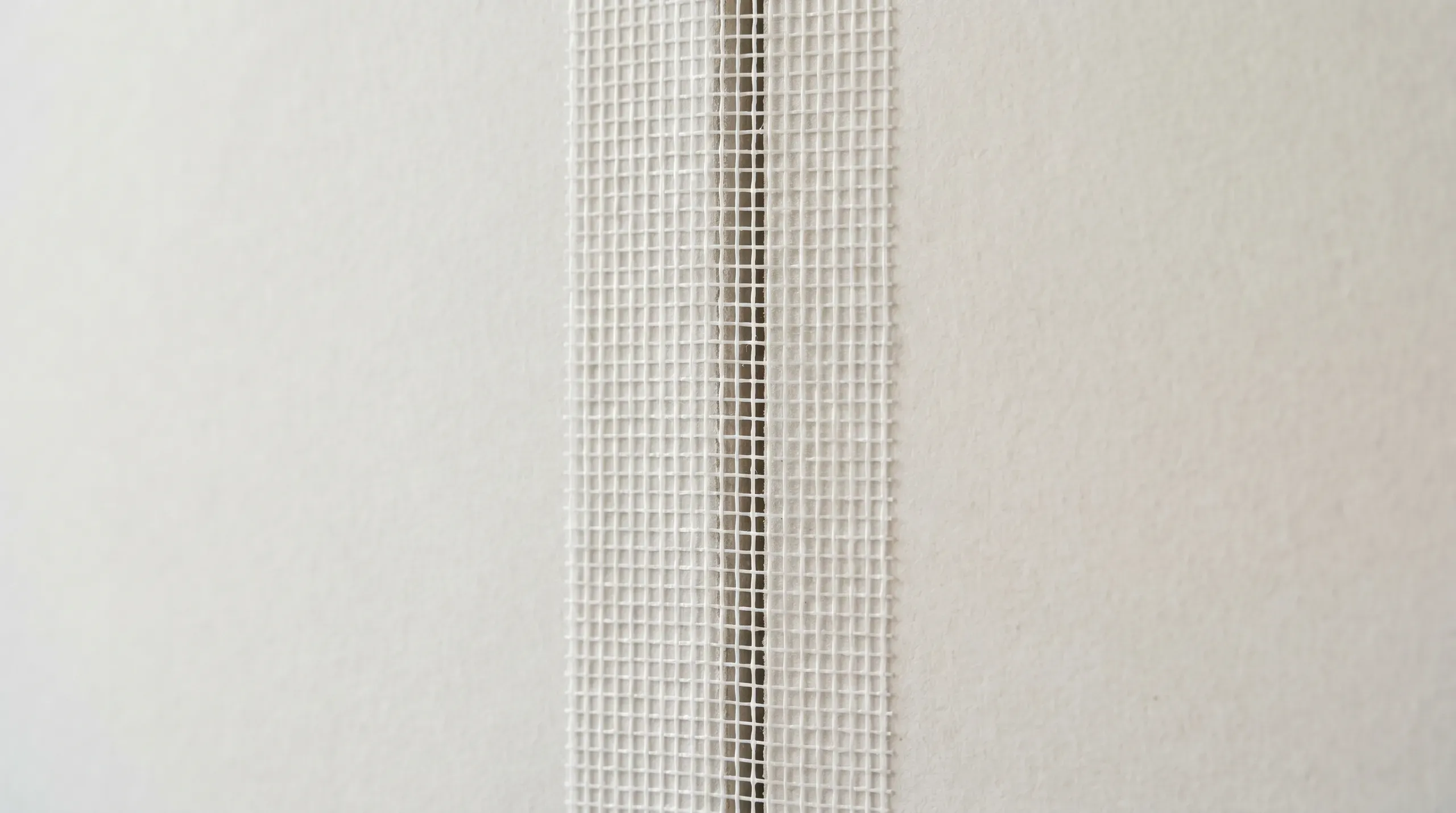
Scrim Tape: The UK Homeowner's Complete Guide to Plasterboard Joint Tape
Fibreglass mesh scrim tape vs paper jointing tape, when to use each, and how to spot a plasterer who's about to leave you with cracked corners. UK prices from £4-6 per 90m roll.