
Drills
Combi drills, SDS drills, impact drivers, core drills, drill bits and screwdriver bits - understanding which drill to use and when is one of the most important skills on a UK extension site.
No other tool decision trips up homeowner project managers more than drills. Most people own a basic combi drill, but an extension will demand more: SDS drills for masonry, impact drivers for screwing, and sometimes a core drill for large holes through walls.
Getting this wrong wastes time and money. A combi drill's hammer action is weak, typically under 1 joule, against 2 to 5 joules from an SDS drill, so a hole that an SDS punches through brick in seconds can take minutes of grinding with a combi. The right drill for each task makes the job faster, safer, and more accurate.
These guides explain what each drill type does, which jobs it is suited to, what to look for when buying, and the common mistakes to avoid on site.
Where to start
Read the SDS drill guide first. Most of the drilling on an extension goes into masonry and concrete, and it is the tool most homeowners do not already own. Then read the combi drill guide before you buy anything cordless, because the battery platform you choose locks in every tool you add afterwards.
The guides, grouped by job
Masonry and concrete. The SDS drill handles fixings, anchor bolts and chases in brick, block and concrete, and explains whether corded or cordless suits you and when hiring makes more sense than buying.
Wood, metal and general drilling. The combi drill is the everyday drill for timber, light fixings and occasional screws, with the clutch and mode settings explained.
Choosing the bit. The drill bits guide covers masonry, SDS+, HSS and wood bits, which shank fits which drill, and the right size of bit for every wall plug, anchor and pilot hole.
Driving screws. The impact driver drives screws faster and with less wrist strain than a combi, as long as you use impact-rated bits. The screwdriver bits guide explains which bit fits which screw: PZ2 for most wood screws, PH2 for drywall screws and Torx for decking and structural screws.
Large holes through walls. The core drill cuts clean holes for waste pipes, soil pipes and extractor ducting, and is usually a hire item for a day or two rather than a purchase.
Where these fit in the build
The SDS and core drill do most of their work at drainage, steels and lintels and windows and doors, and again at first fix electrics and first fix plumbing when cables and pipes go through walls. The duct hole for a cooker hood is planned at extractor and ventilation. The combi drill, impact driver and screwdriver bits take over at kitchen installation and the other second fix jobs.
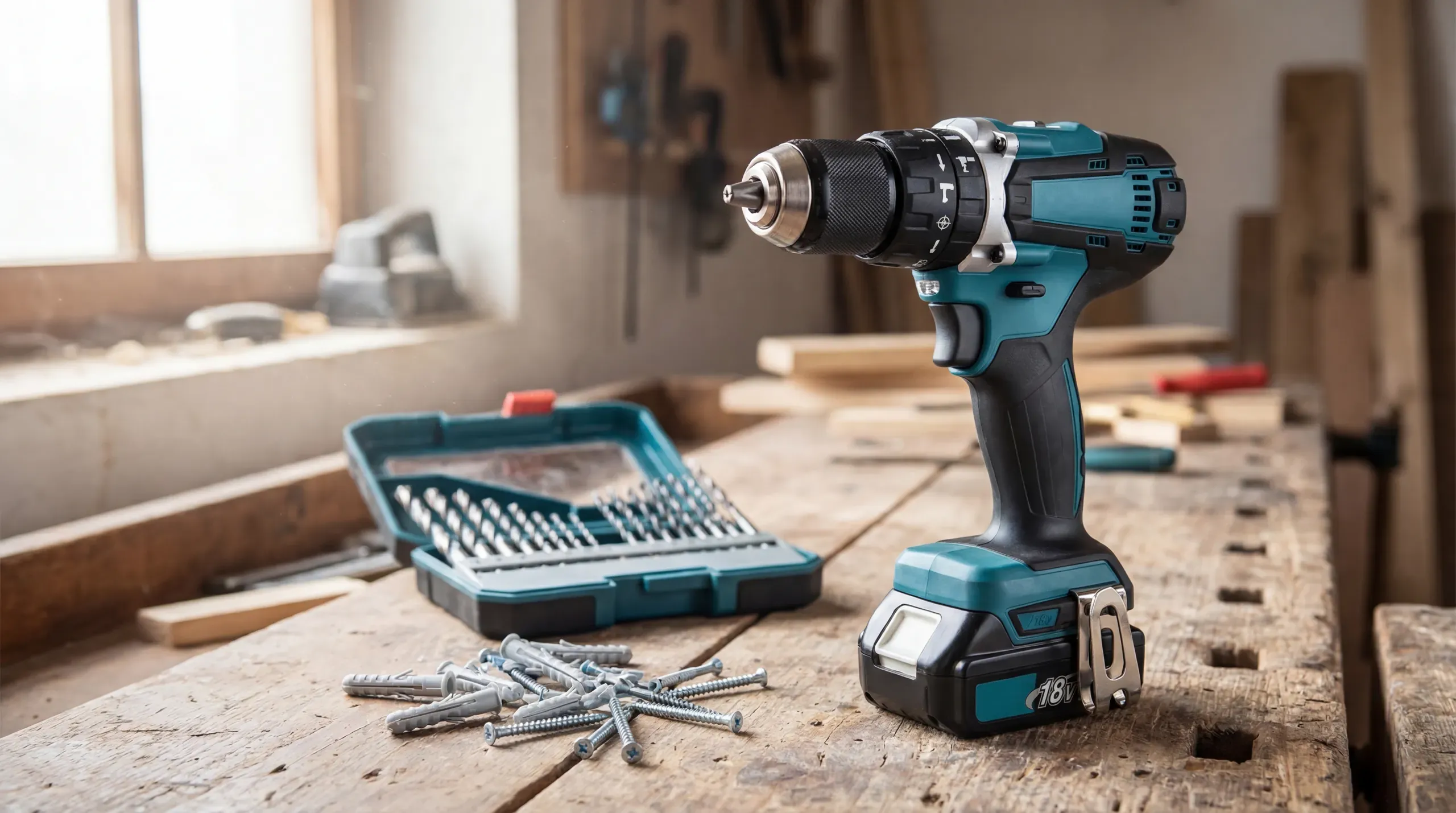
Combi Drills: What to Buy, How to Use One, and When You Need Something Bigger
The UK guide to combi drills. Brushless vs brushed, bare units vs kits, battery platforms explained, and what to buy from £40 to £250.
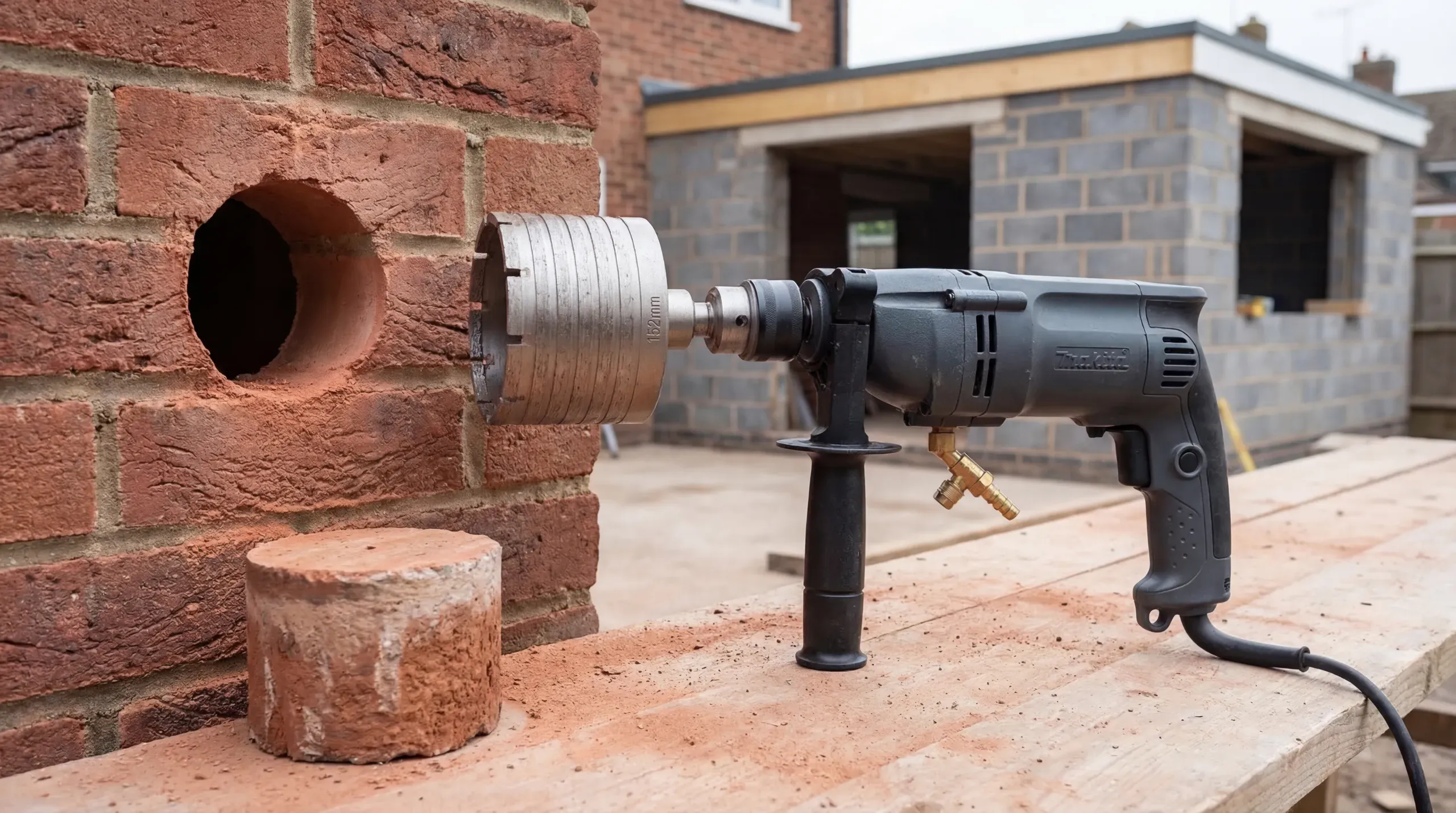
Core Drills: How to Cut Clean Holes Through Walls for Pipes and Ducting
The UK guide to core drilling. Which bit size for which pipe, hire vs buy for extension projects, and how to drill through cavity walls safely.
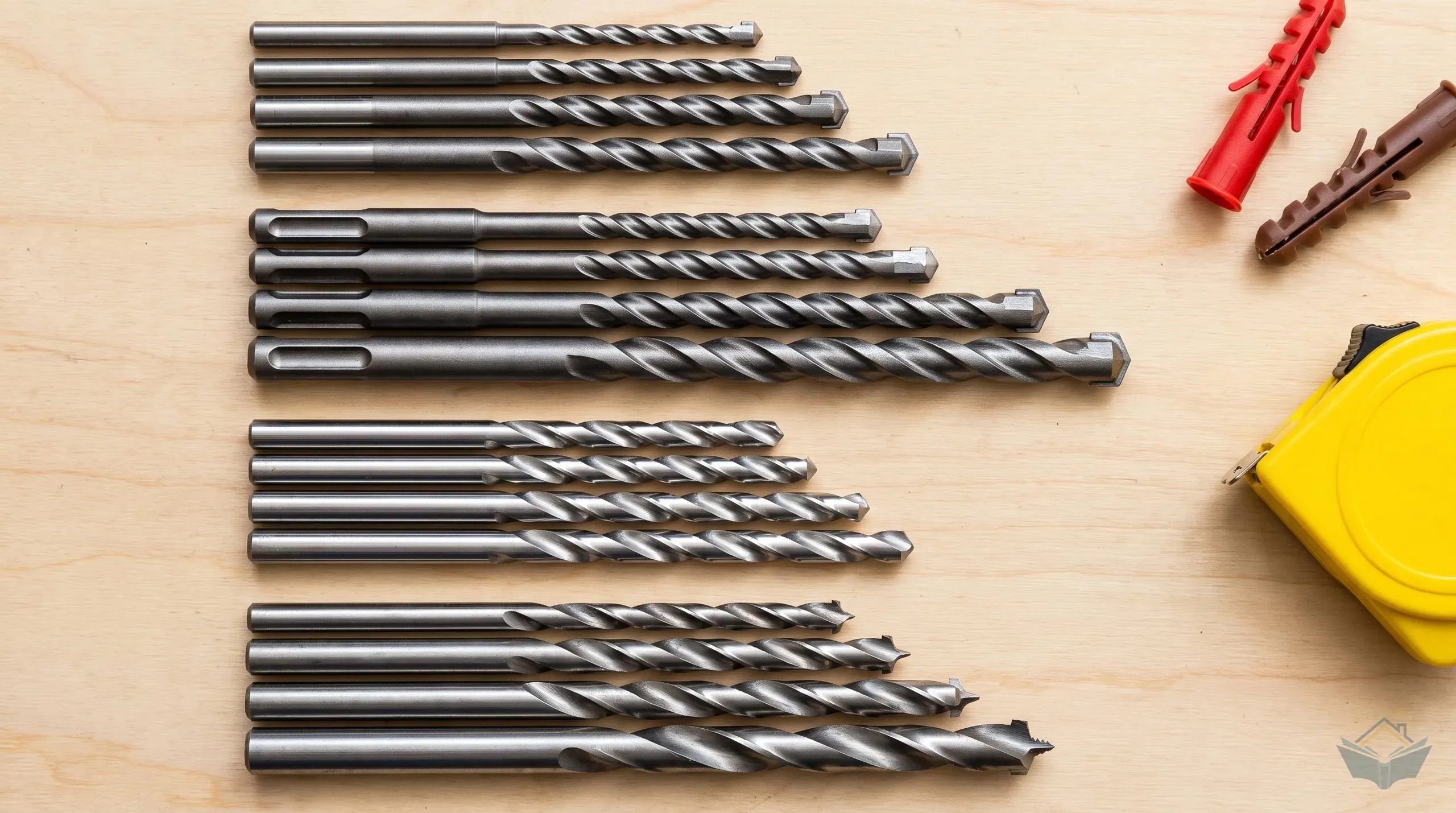
Drill Bits Explained: Which Bit for Which Material, and What Size for Every Fixing
Masonry, SDS+, HSS and wood bits explained. Which bit fits which drill, what size for every plug and anchor, and sets from £7.49 – £14.72.
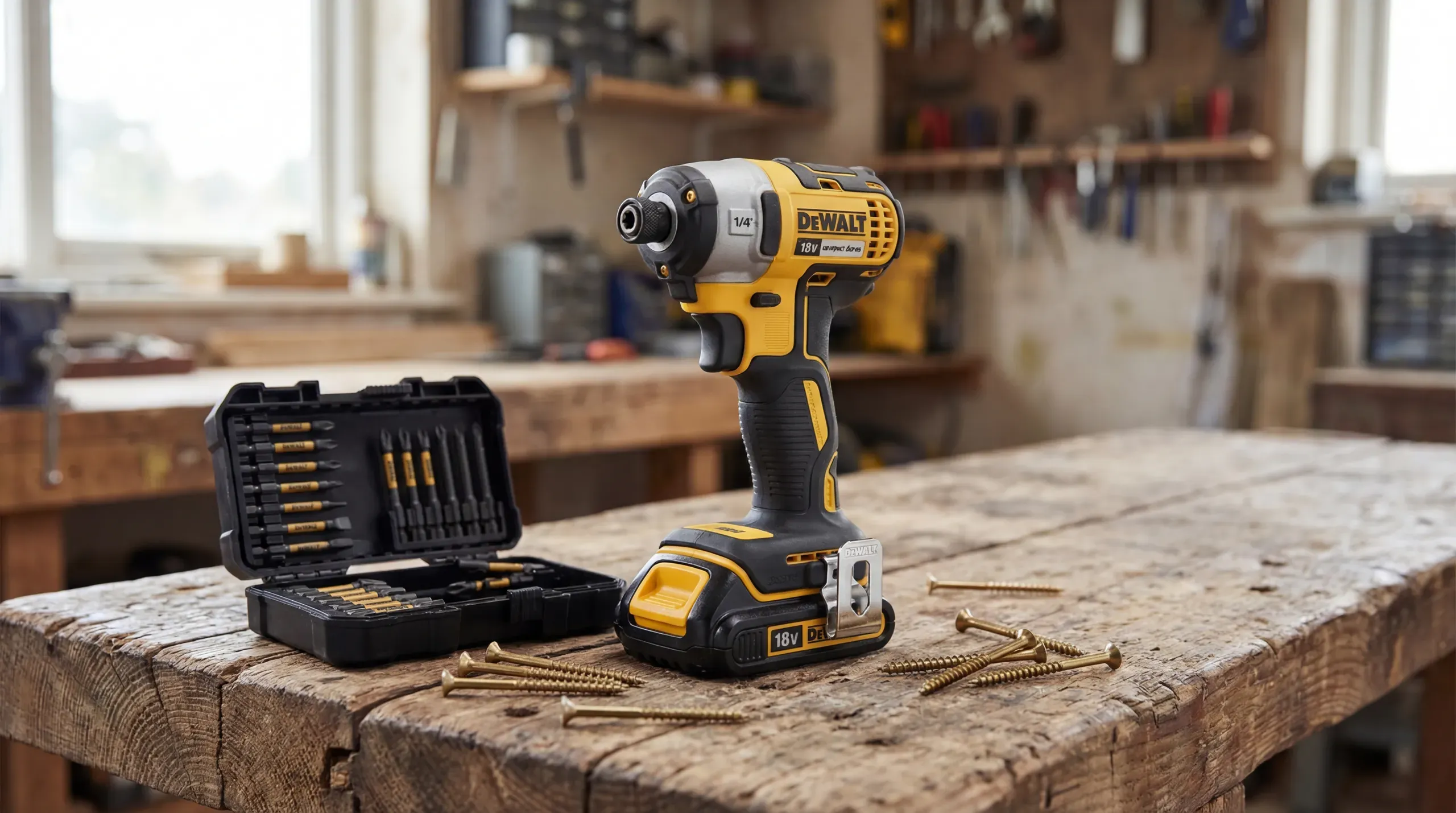
Impact Drivers: What They Do, How to Use One, and What to Buy
The UK guide to impact drivers. How the impact mechanism works, why you need impact-rated bits, and what to buy from £44 bare to £200+ with batteries.
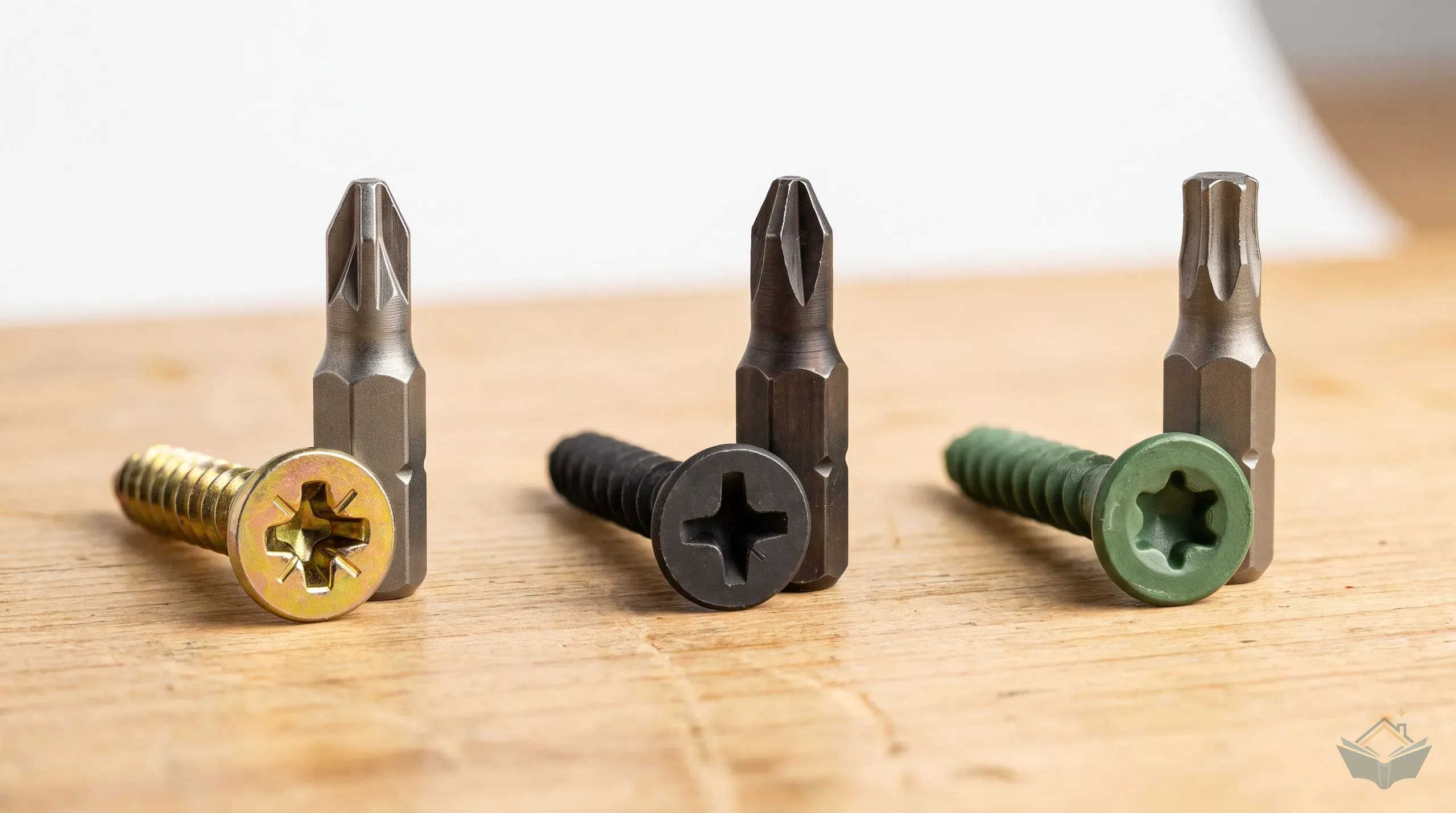
Screwdriver Bits Explained: PZ2 vs PH2, Torx, and Which Bit for Which Screw
Pozidriv, Phillips and Torx bits explained. What size bit for every UK screw, why PH2 is only for drywall, and bit sets from £1.59 – £9.99.
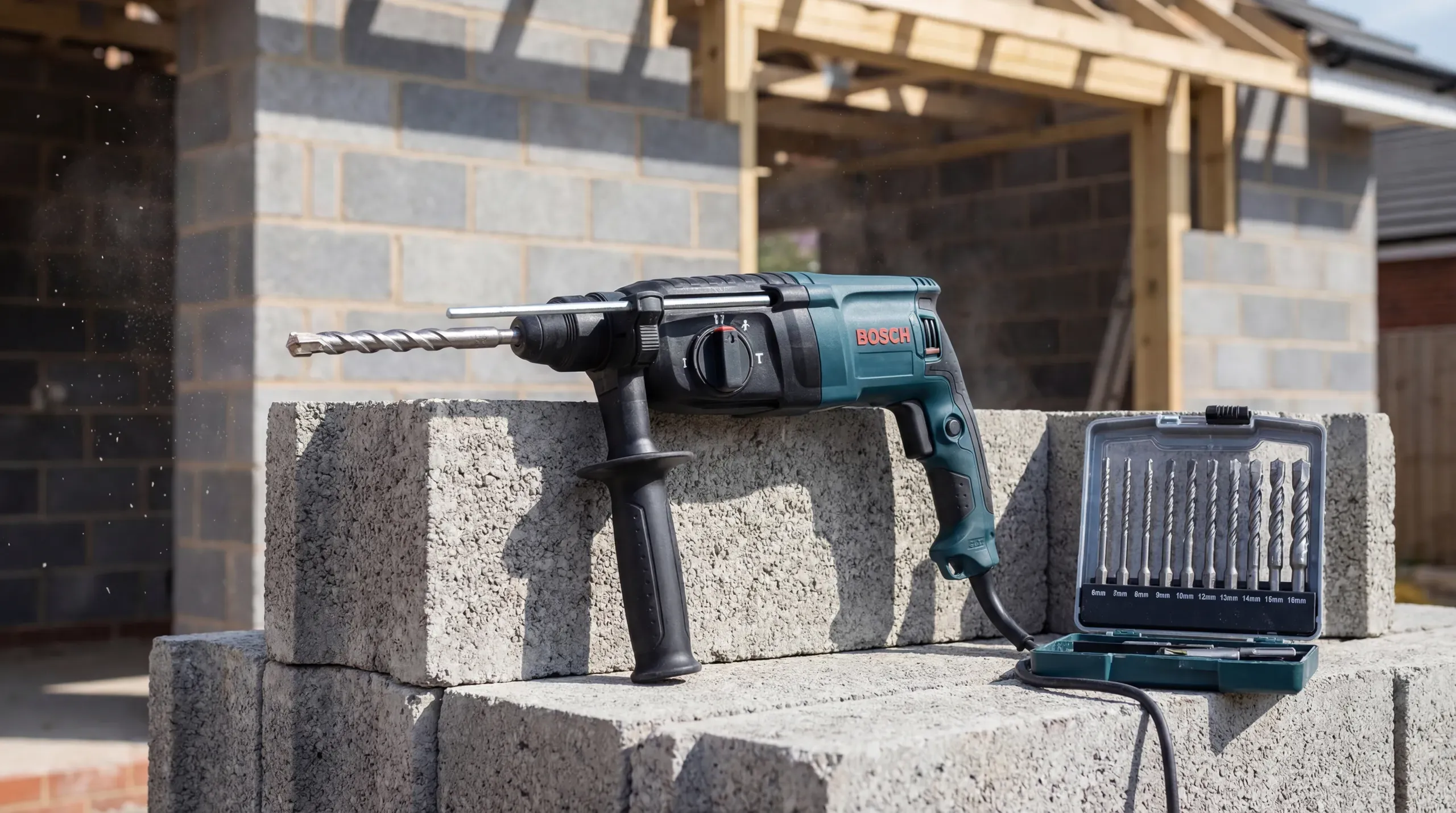
SDS Drills: What They Are, Which to Buy, and How to Use One Properly
The UK guide to SDS drills. Why your combi drill won't cut it on masonry, what joule ratings mean, and what to buy from £65 to £300.