
Tool Consumables
Consumable accessories for power tools used on an extension, including fuel cells for gas-powered nailers and HSS vs TCT replacement planer blades, when to specify them, and how often they need replacing.
Tool consumables are the quiet recurring line on a tradesperson's materials list and a common source of confusion for homeowners. Your carpenter's cordless nailer may run on a gas fuel cell as well as a battery. Planer blades dull and get flipped or replaced, and the cheaper blade is not always cheaper by the end of the job.
These guides cover the consumables that get ordered and reordered during a domestic extension: fuel cells for gas-powered nailers, the HSS and TCT blades that fit standard 82mm electric planers, and the sandpaper that every paint-grade surface goes through before the decorator finishes it. Each page explains what the consumable does, how long it lasts, and what to buy.
Where to start
If you are buying for your own jobs, start with sandpaper, because grit choice and the order you work through the grits decide whether skirting and doors take paint cleanly. If you are working out what your carpenter will need on site, read the nailer fuel cell guide, which explains which cells fit which gun and why cold weather causes misfires.
The guides, grouped by job
Nailing. Nailer fuel cells for framing and finishing nailers, including shelf life and why third-party cells often disappoint.
Planing. HSS planer blades for clean softwood and TCT planer blades for hardwood and MDF-core doors. Read them together: TCT lasts far longer on abrasive material but can shatter on a hidden nail.
Finishing. Sandpaper grits, formats and between-coats technique, plus the dust protection you need while sanding.
Where these fit in the build
Framing nailers get most use during roof structure and first-fix carpentry, while finishing nailers, planers and sandpaper come out at second fix for doors, skirting and architrave. Sanding carries on right through decoration.
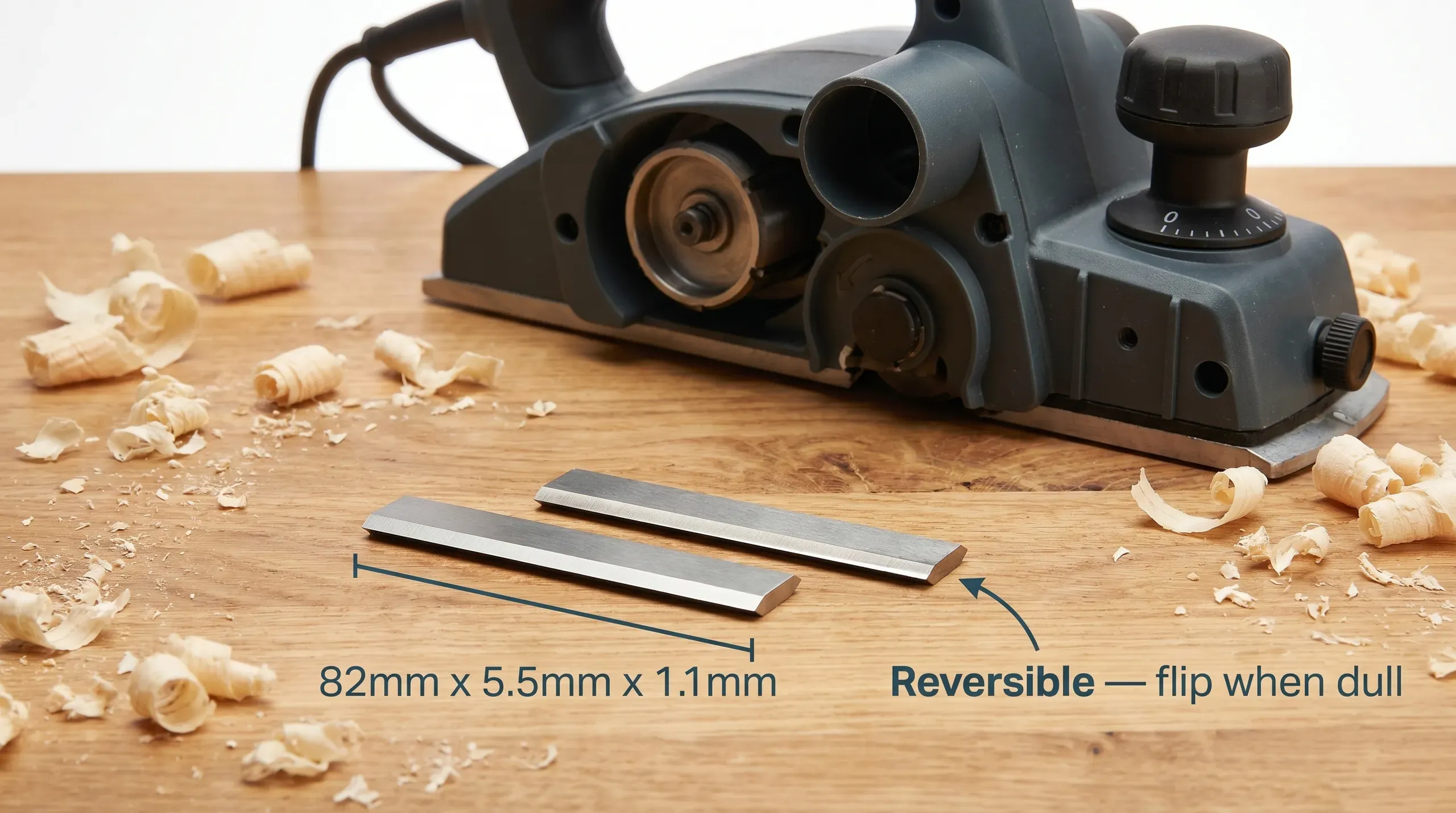
HSS Planer Blades: When to Use Them, What to Buy, and Why Nails Kill Them
UK guide to 82mm HSS planer blades. Sizes, host tools, HSS vs TCT, current Screwfix and Toolstation prices from £6.78 a pair, and how to set them without ejecting a blade across the workshop.
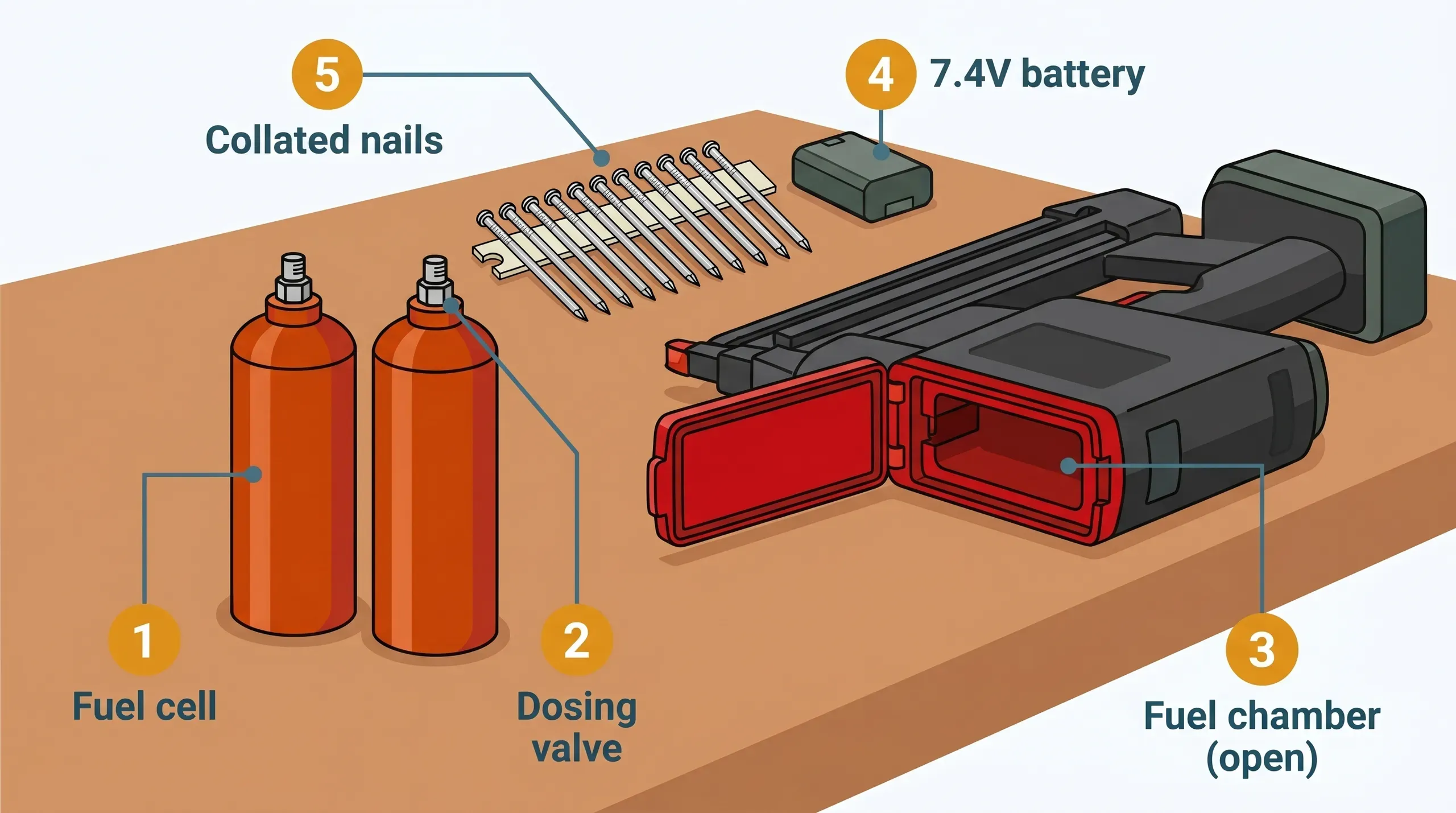
Nailer Fuel Cells: How Paslode Gas Cartridges Work, Which One Fits Your Gun, and What to Buy
UK guide to Paslode nailer fuel cells. IM350+, IM65/IM65A and Series-i compatibility, shot counts, cold-weather behaviour, current Screwfix prices from £20 a cell, and why third-party cells misfire.
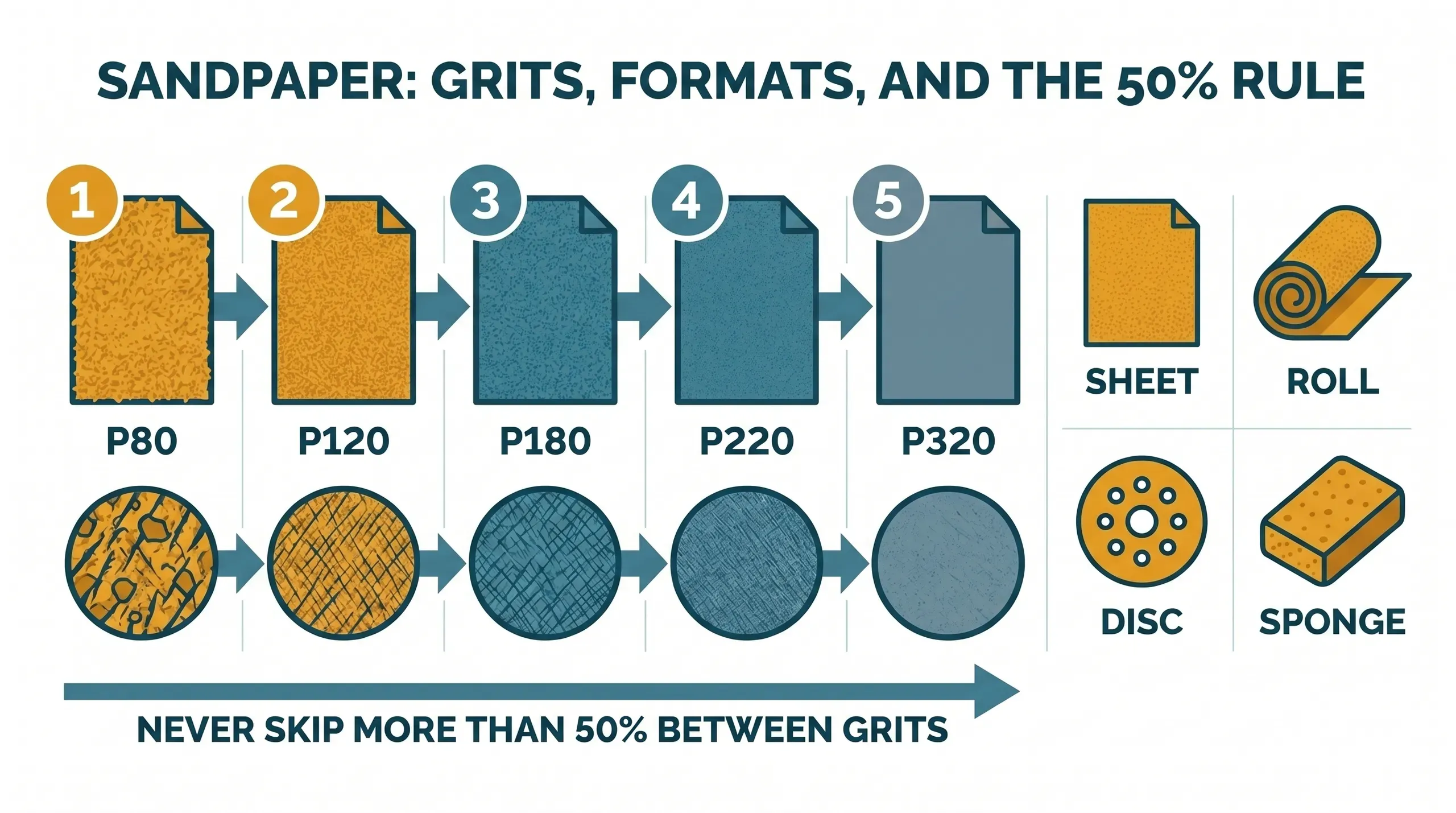
Sandpaper: P-Grade Grits, Between-Coats Technique, and What Actually to Buy in the UK
UK guide to sandpaper. FEPA P-grade vs CAMI, the 50% grit-progression rule, between-coats P240 vs P320, current Screwfix and Toolstation prices from £4 a pack, and why wet-and-dry on bare wood ruins the surface.
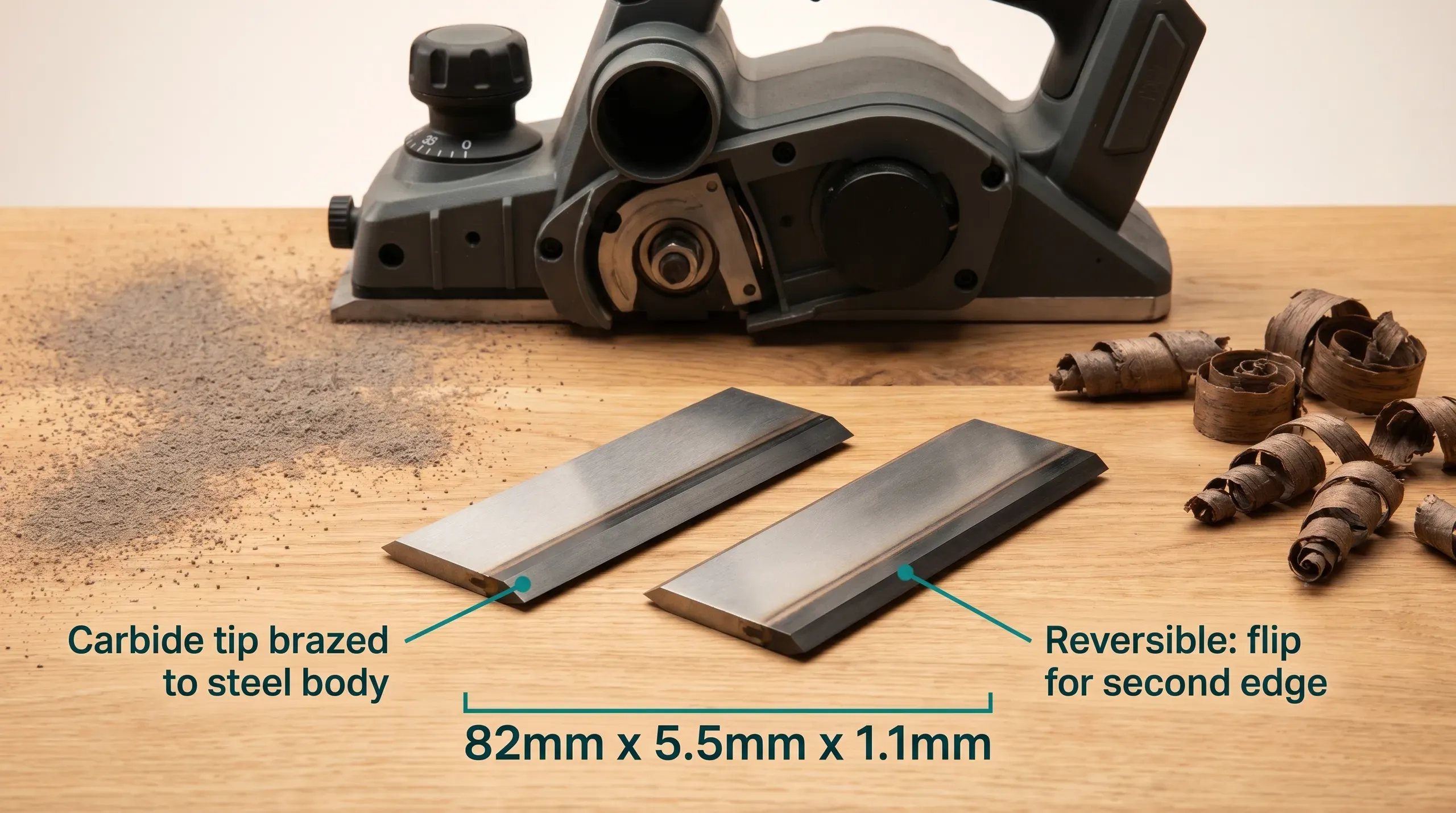
TCT Planer Blades: The Right Choice for Hardwood, MDF, and Site Timber
UK guide to 82mm TCT planer blades. Sizes, host tool fit, TCT vs HSS, current 2026 prices from £7.49 a pair, nail-contact behaviour, and when carbide is worth the money.