
Plastering Tools
Trowels, floats, mixing paddles, spot boards, and notched trowels for skimming, rendering, and tile-bedding on a UK extension. What to buy, how to break them in, and how to use each one properly.
Most plastering on an extension is done by a plasterer or tiler, but understanding the tools helps you check the work, set up the spot board correctly, and tackle small skim repairs yourself. The kit is small but the choices matter: a new trowel that has not been broken in leaves fine tramlines on every pull, the wrong notch size starves a tile of adhesive, and the wrong paddle beats air into plaster and leaves pinholes in the finish.
These guides cover the six tools that do most of the work in a plastering or tiling phase: a finishing trowel, a sponge float, a notched trowel, a grout float, a spot board, and a mixing paddle. Each page explains what to buy across budget, mid, and pro tiers, how to break the tool in where it matters, and the technique that separates a flat wall from one you keep noticing every time the light hits it.
Where to start
If you are going to skim a patch yourself, start with the plastering trowel and the spot board: the trowel decides the finish, and a board at hip height is what lets you get through a whole mix before it goes off. If the kitchen or a floor is being tiled, read the notched trowel guide before the tiler starts, because the notch size sets the adhesive bed and a bed that is too thin is the usual cause of hollow, cracked tiles.
The guides, grouped by job
Mixing and setting up. The mixing paddle covers which helix suits plaster, adhesive and mortar and how much drill you need to turn it. The spot board is where the mix sits while you work.
Skimming and render. The plastering trowel lays on, flattens and polishes the skim. The sponge float extends your working window on gypsum plaster and gives sand-and-cement render its textured finish. The plastering hawk and plastering float sit in the hand tools section but are part of the same kit.
Tiling. The notched trowel spreads and combs the adhesive, and the grout float packs the joints, worked diagonally across them so the grout goes in rather than being dragged out.
Where these fit in the build
Skimming happens at plastering in second fix, once the first fix services are in and the boards are up. The paddle comes out again for screeding, and the notched trowel and grout float do their work at tiling and around the worktops and splashback during kitchen installation.
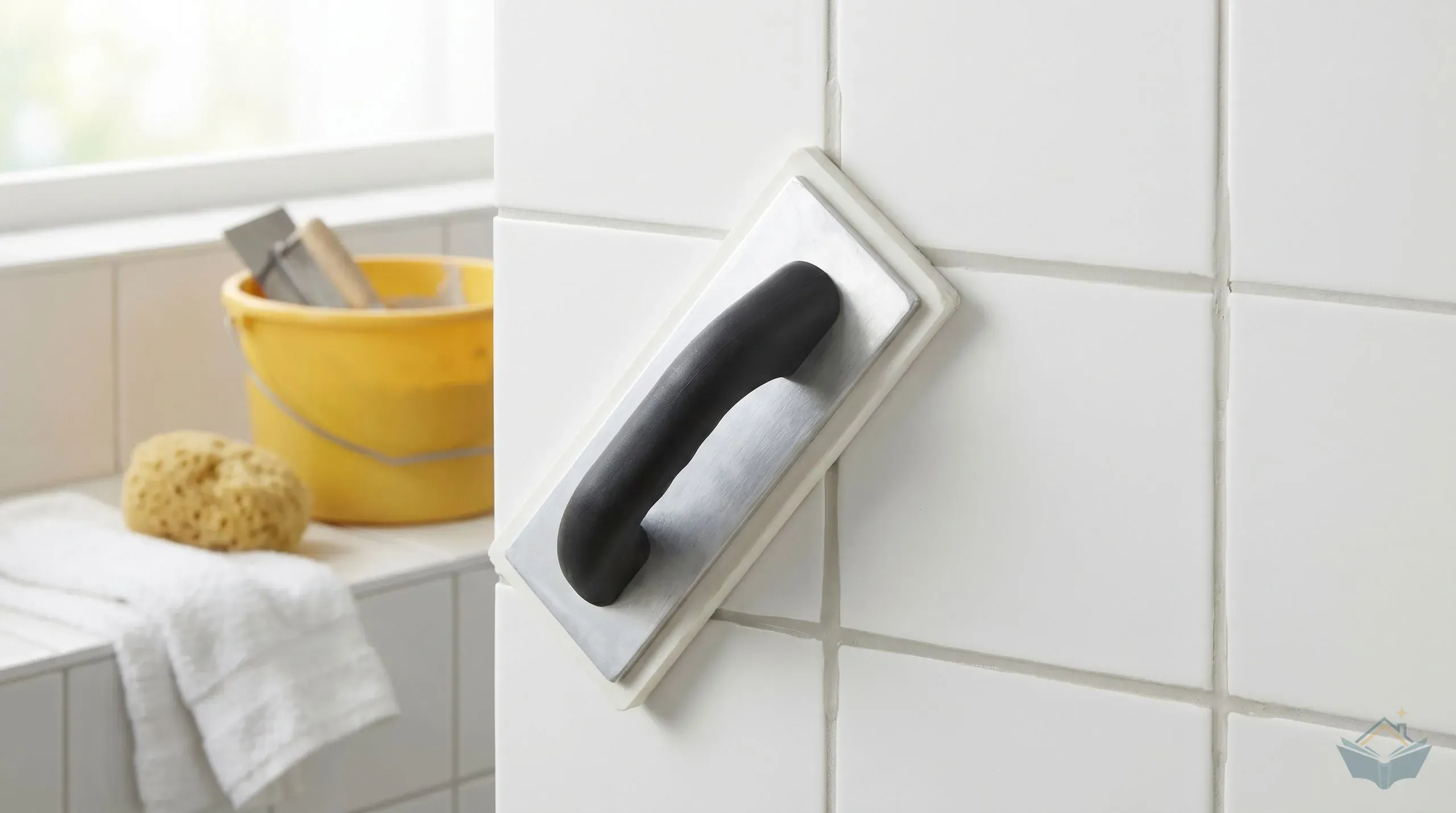
Grout Floats: How to Pick the Right Rubber, and Why Diagonal Beats Parallel Every Time
The UK guide to rubber grout floats. Soft vs hard rubber, epoxy vs cement grout, the 45-degree technique, sealing stone tiles first, and what to buy from £8-£31.
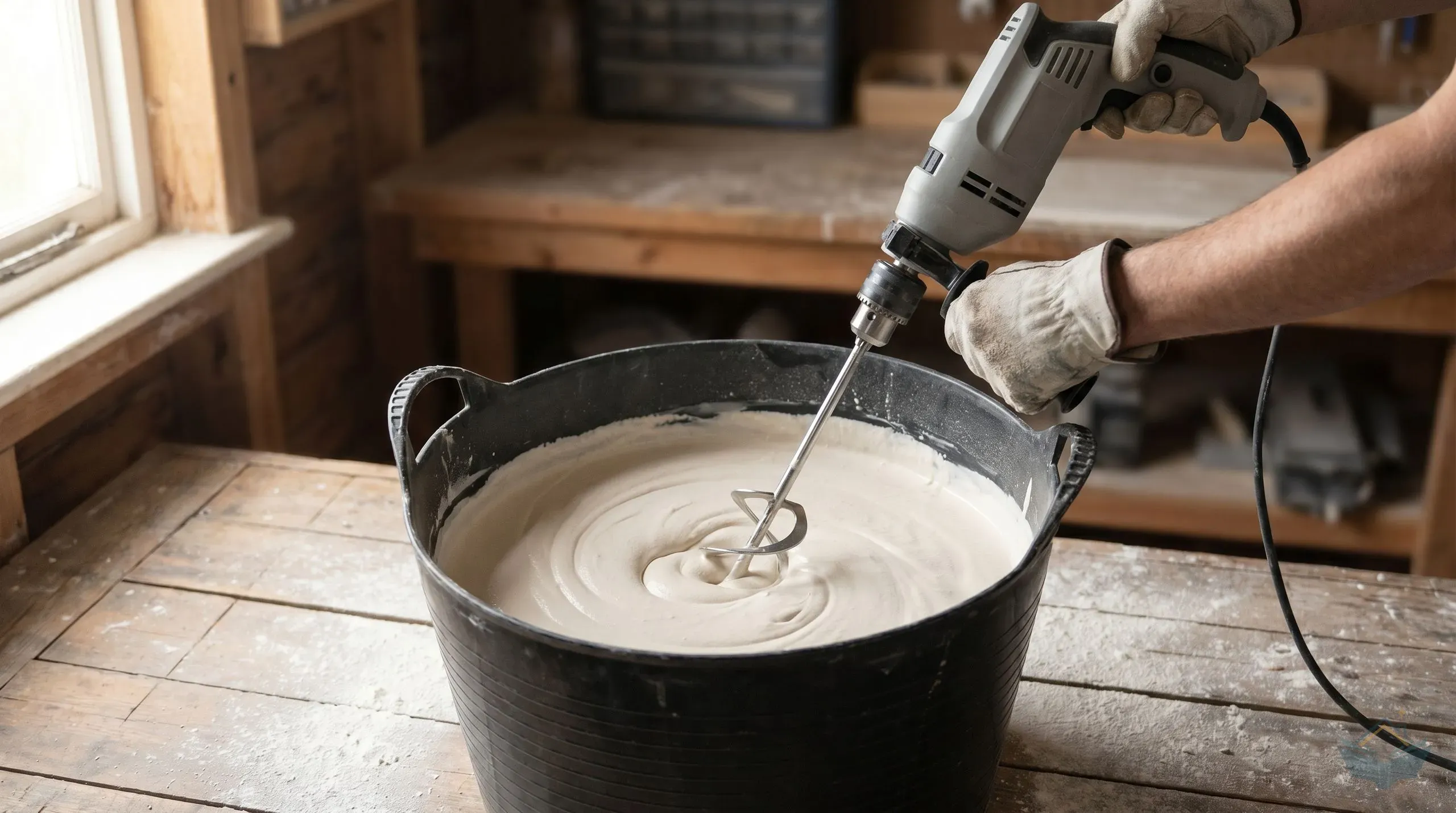
Mixing Paddles: How to Mix Plaster, Tile Adhesive, and Mortar Without Burning Out Your Drill
The UK guide to drill paddle mixers for plastering. Negative vs positive helix, M14 vs SDS vs hex shafts, drill power thresholds, technique, and what to buy at every price tier.
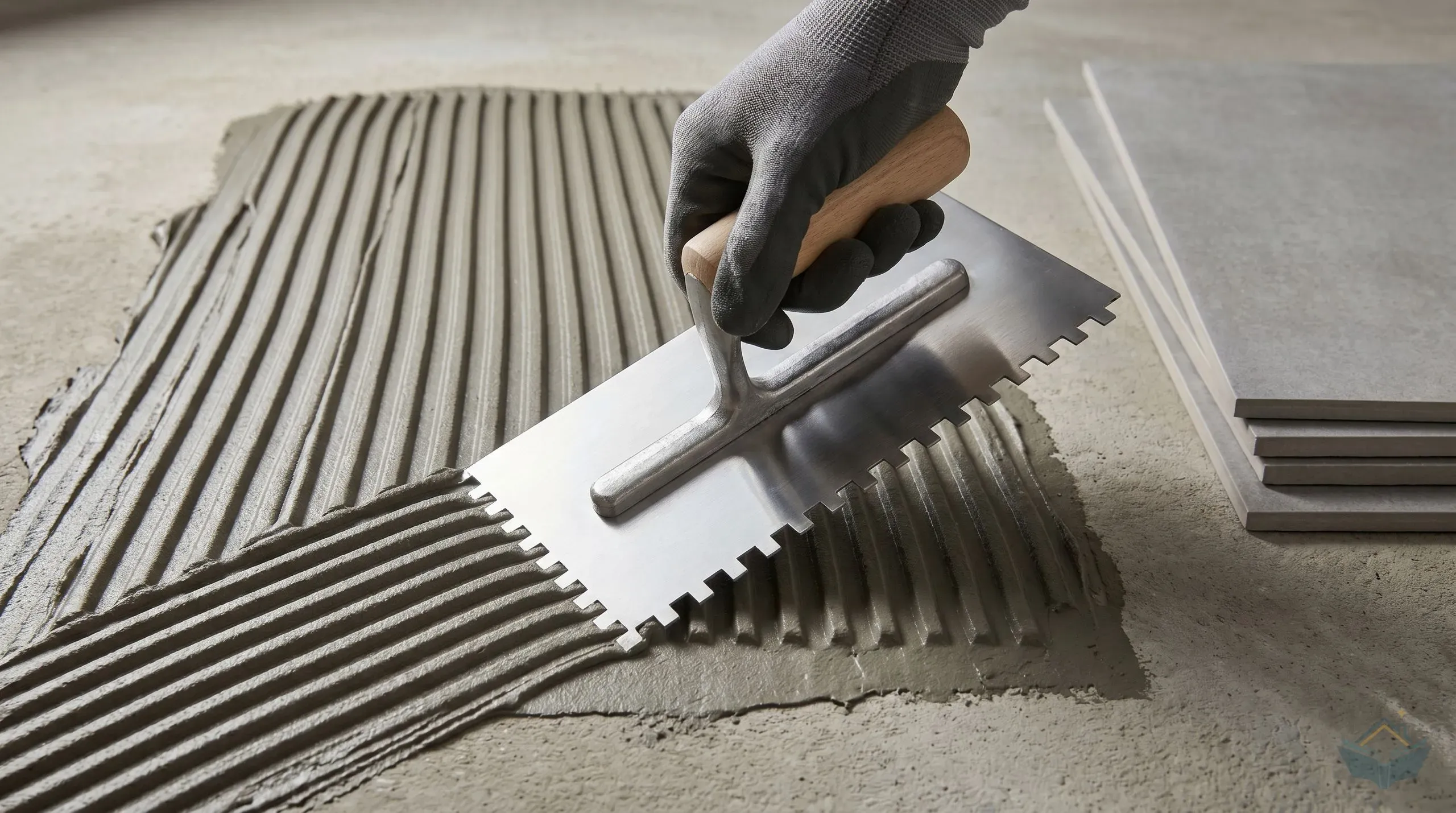
Notched Trowels: Notch Sizes, the Half-Bed Rule, and What BS 5385 Actually Demands
The UK guide to notched tile-adhesive trowels. Square vs V vs U profiles, notch sizing 3mm to 12mm, the half-notch rule, BS 5385 coverage, DITRA, and what to buy.
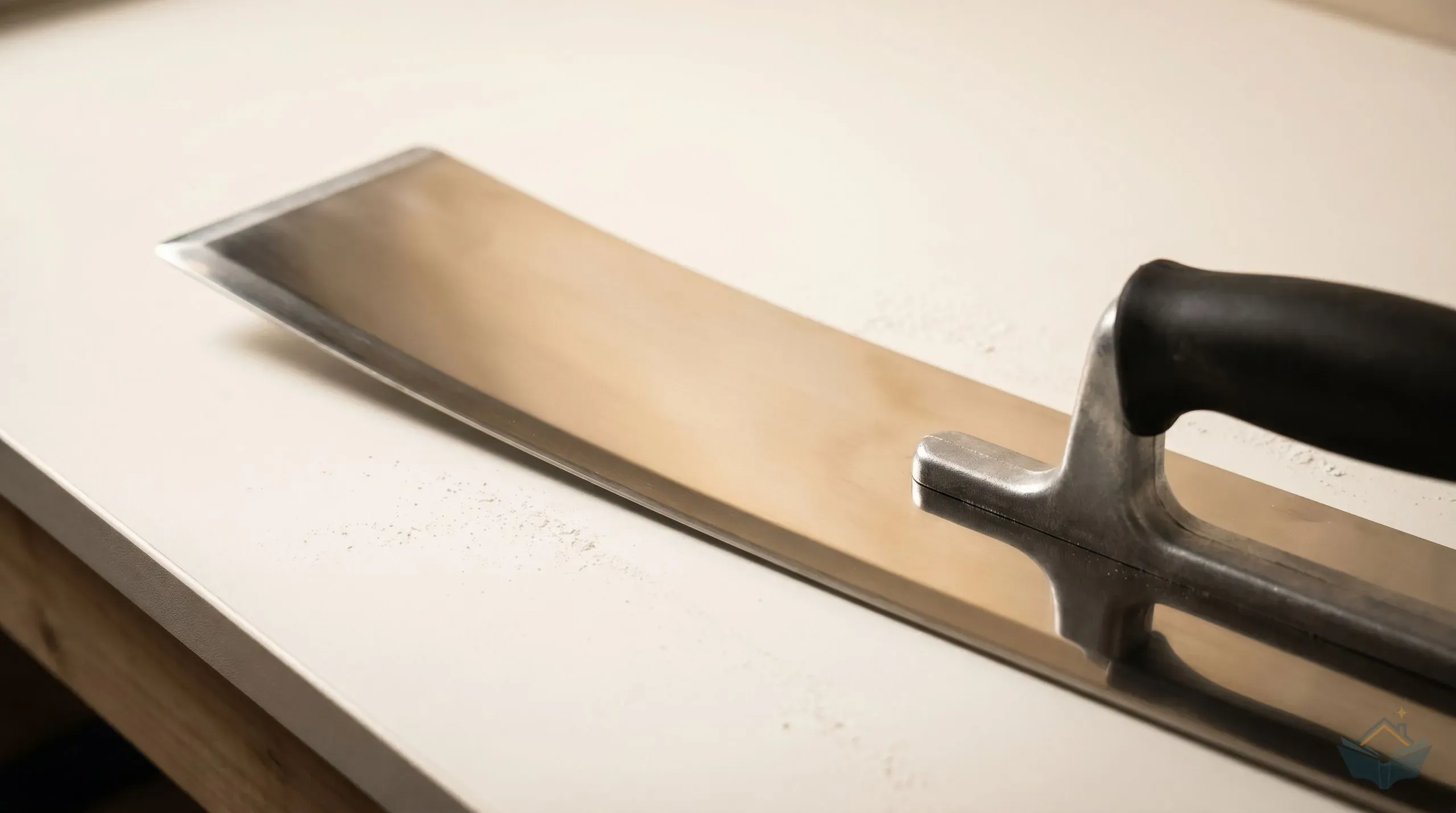
Plastering Trowels: How to Choose, Break In, and Skim With the Right Steel
The UK guide to plastering trowels. Carbon vs stainless, sizing, the five-pass sequence, pre-worn blades, breaking in, and what to buy from £5 to £72.
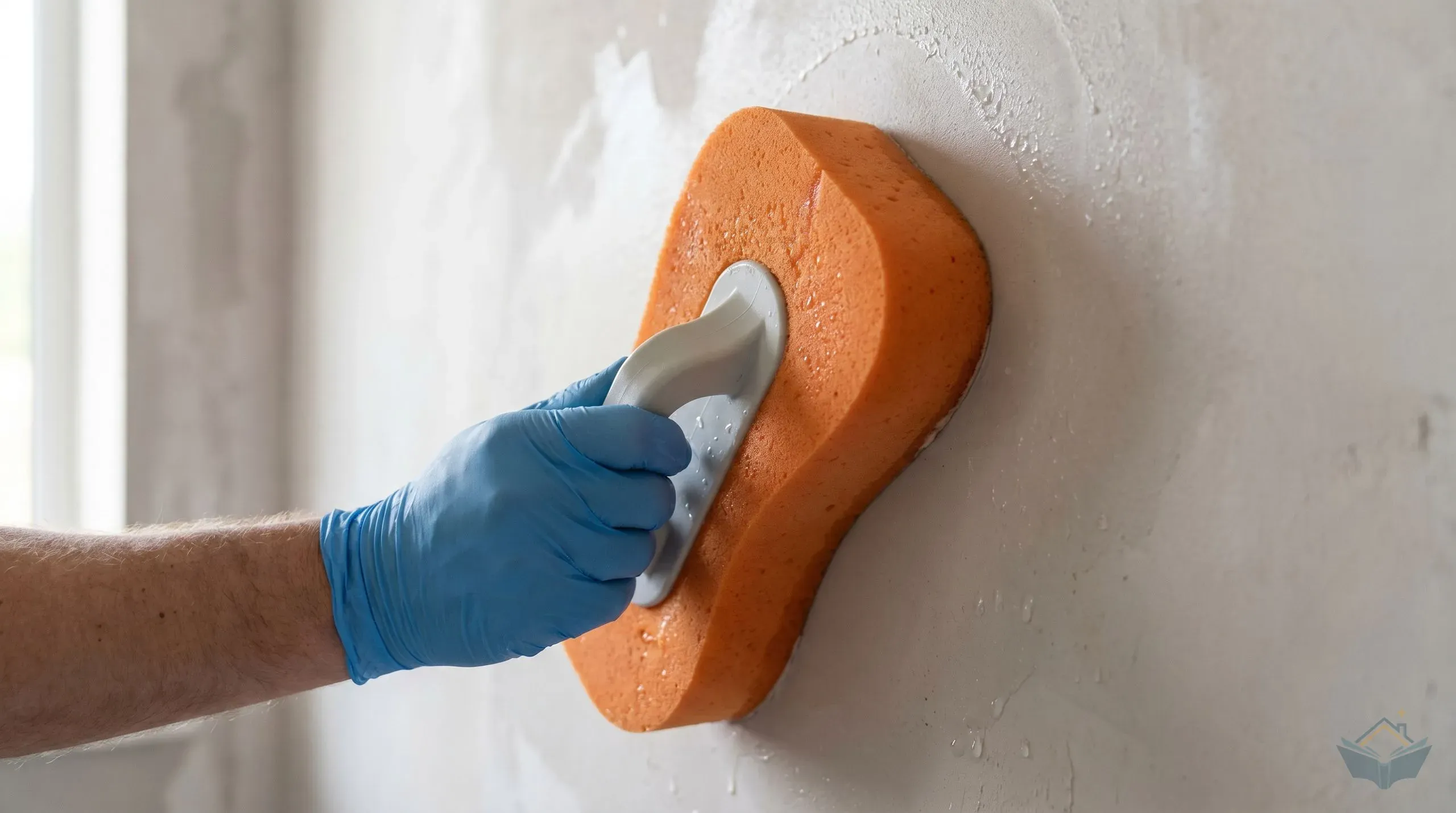
Sponge Float: The Beginner Plastering Tool That Buys You an Extra 20 Minutes
UK guide to sponge floats for plastering and rendering. Fine vs medium vs coarse grades, the 5-minute window after sponging, brand tiers from £8 to £35, and the cleaning rule nobody mentions.
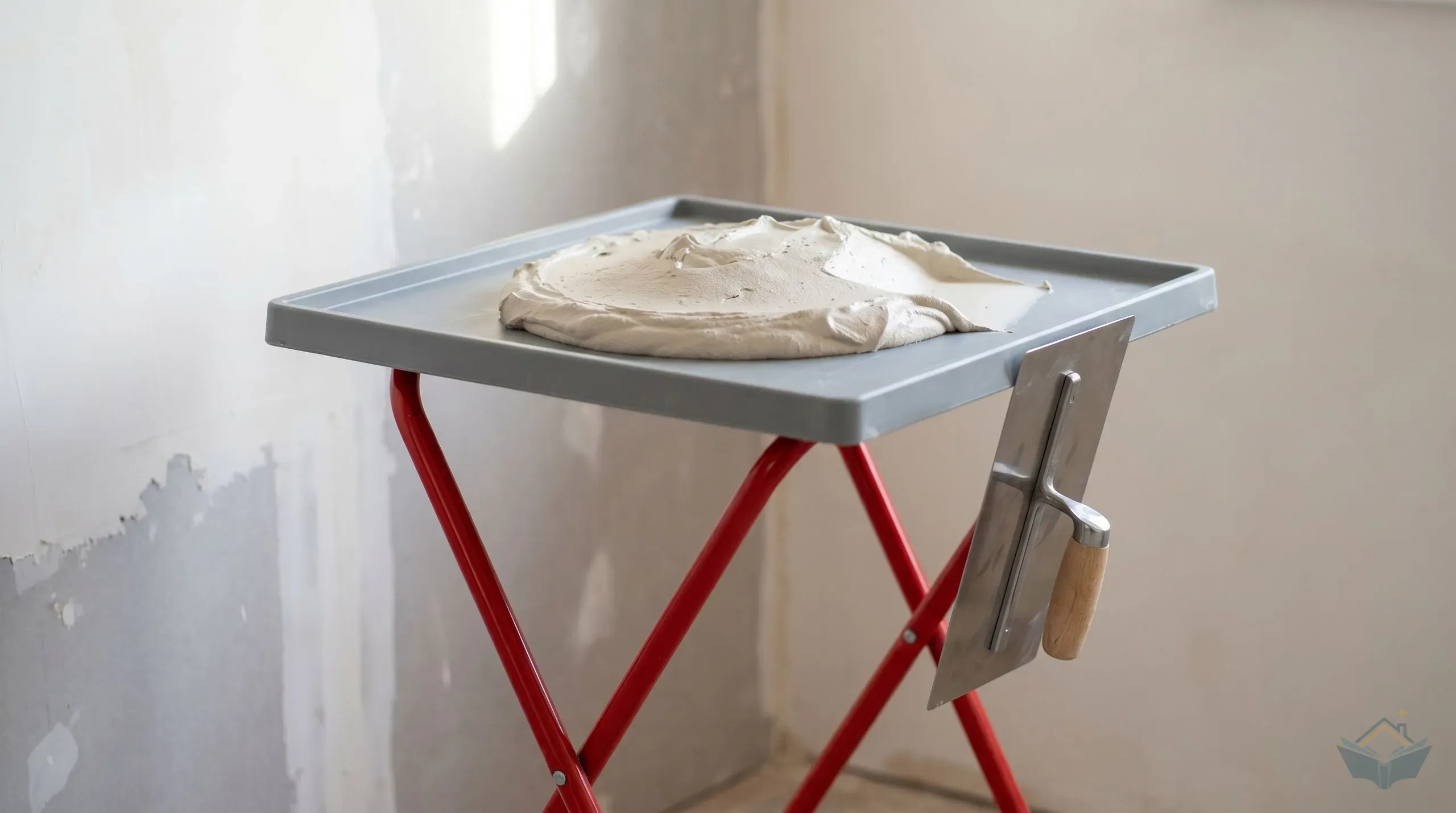
Spot Boards: The Plasterer's Workbench, Why Floor-Level Will Wreck Your Back
The UK guide to plasterer's spot boards. Polypropylene vs ply vs aluminium, stand heights, the no-MDF rule, DIY Workmate setup, and prices £15 to £85.