
Cutting Tools
Saws, snips, knives, and specialist cutters - the tools that shape timber, tiles, metal, and insulation on an extension site.
Every stage of an extension involves cutting something. Timber for framing, tiles for the splashback, plasterboard for the walls, copper pipe for the plumbing, insulation boards for the walls and roof. Each material needs the right blade, the right technique, and often a tool you didn't know existed until you needed it.
These guides cover the hand and specialist cutting tools you will meet on a UK extension project, including the utility knife you will reach for daily and the tile cutter you might use for a single weekend. Each page explains what the tool does, which version to buy at your budget, and the beginner mistakes that waste blades and materials.
Where to start
The utility knife is the one you will use most, for plasterboard, insulation board and carpet. The hole saw set guide is worth reading even if you never pick one up, because it covers the joist drilling rules: holes drilled in the wrong zone get flagged by building control. If you are tiling yourself, read the manual tile cutter guide before buying tiles, since budget cutters struggle with porcelain.
The guides, grouped by job
Tiles. The manual tile cutter for straight cuts, the electric tile cutter for porcelain and stone, and a glass and tile drill bit set for fixing through tiles without cracking them.
Timber. The hand saw, with panel and tenon saws explained.
Metal and pipe. The hacksaw for copper pipe and threaded rod, and tin snips for sheet metal and flashing.
Holes and boards. The hole saw set for downlights and pipe runs, and the utility knife for score-and-snap cuts.
Where these fit in the build
Hole saws come out at first fix electrics and first fix plumbing, and the utility knife through insulation and plastering. Snips are used on flashings during the roof covering. Tile cutters belong to tiling and splashbacks, and the tiling calculator helps you order enough to allow for cuts.
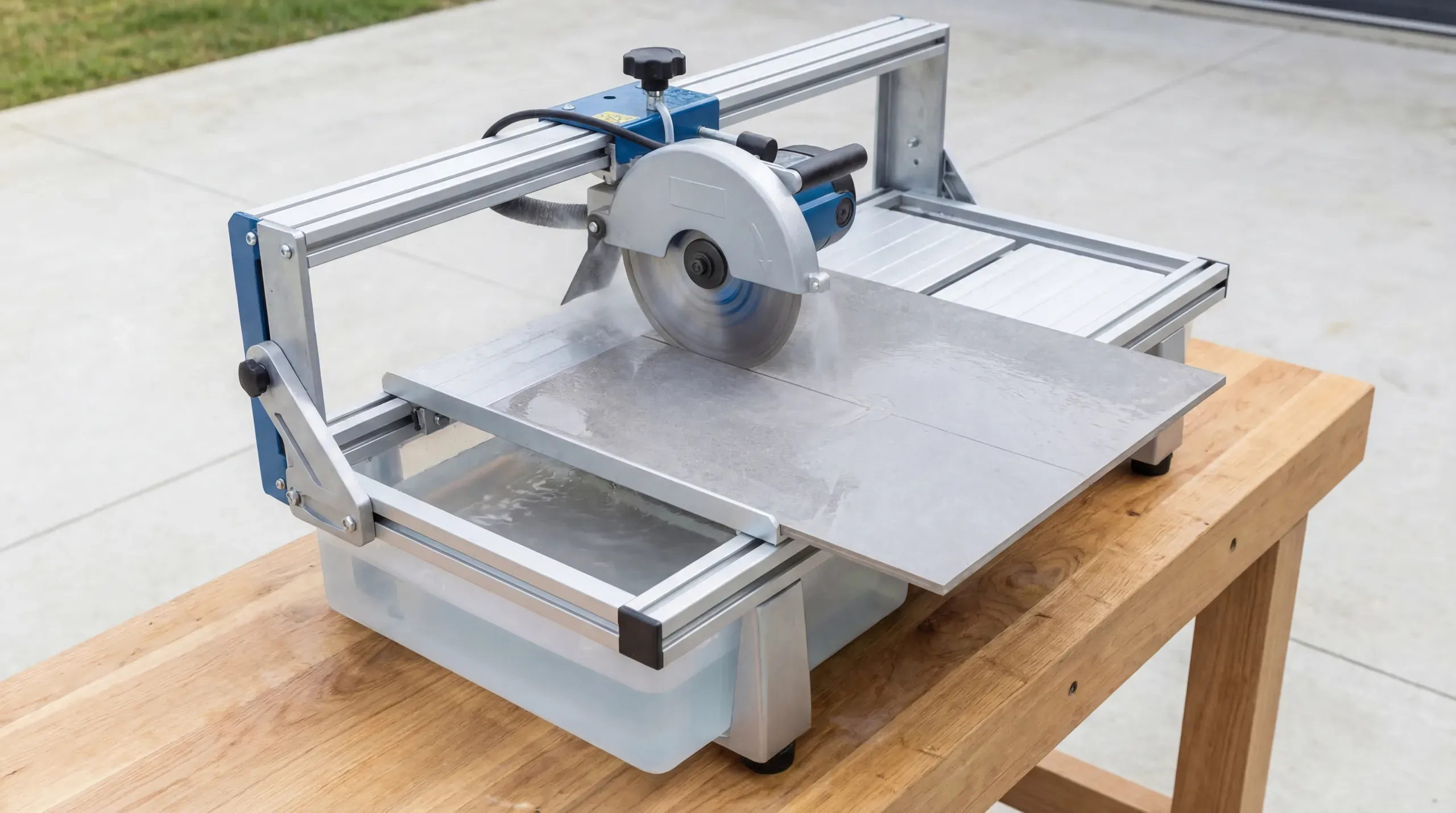
Electric Tile Cutters: How to Cut Porcelain and Stone Without Chipping, Cracking, or Wasting Money
The UK guide to electric tile cutters (wet saws). What to buy from £45 to £330, how to cut porcelain without chipping, hire vs buy, and the safety rules nobody mentions.
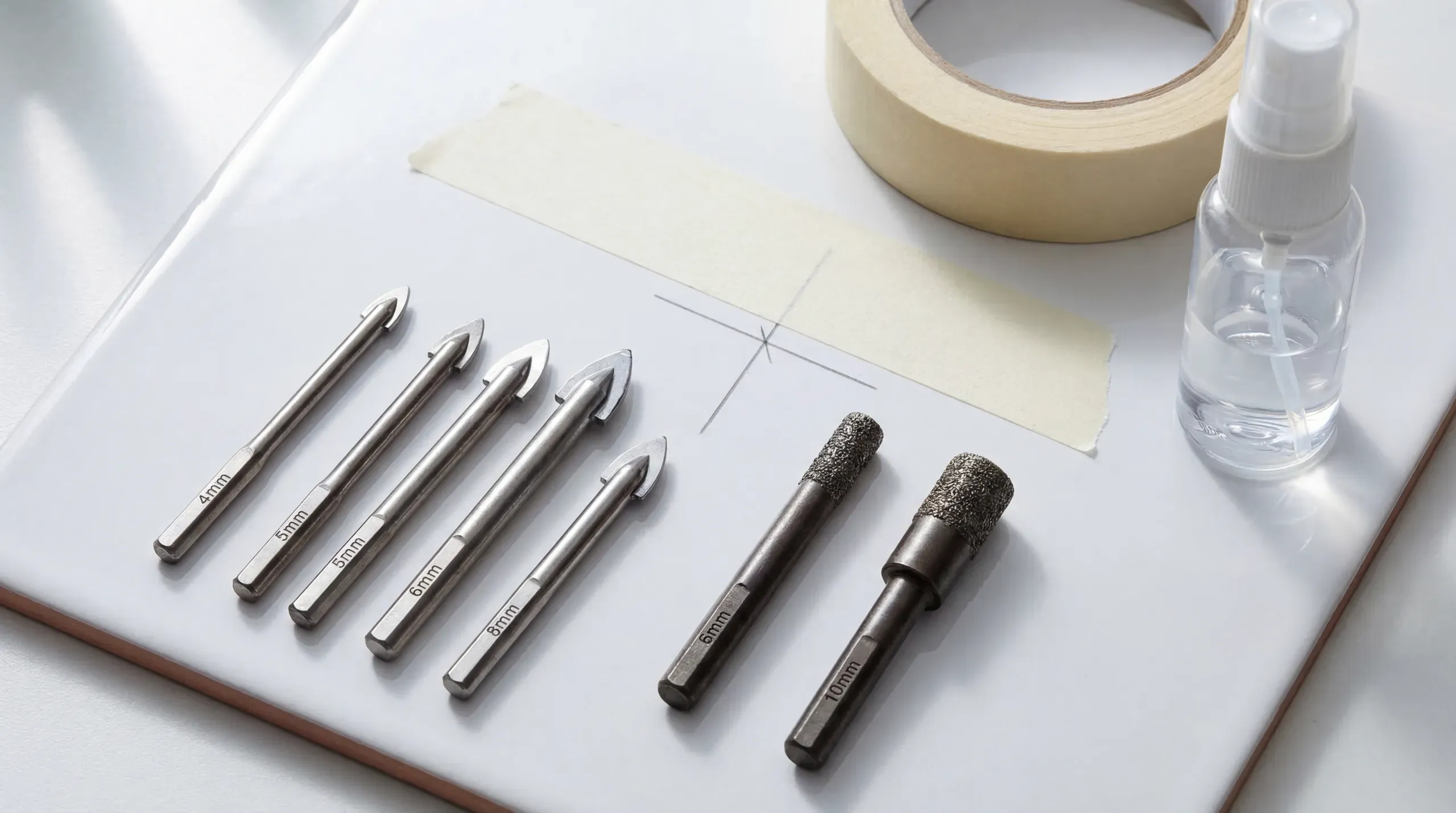
Glass & Tile Drill Bits: How to Drill Through Tiles Without Cracking Them
The UK guide to glass and tile drill bits. Carbide vs diamond, which size for which wall plug, proper drilling technique with masking tape and water cooling, and what to buy from £8.
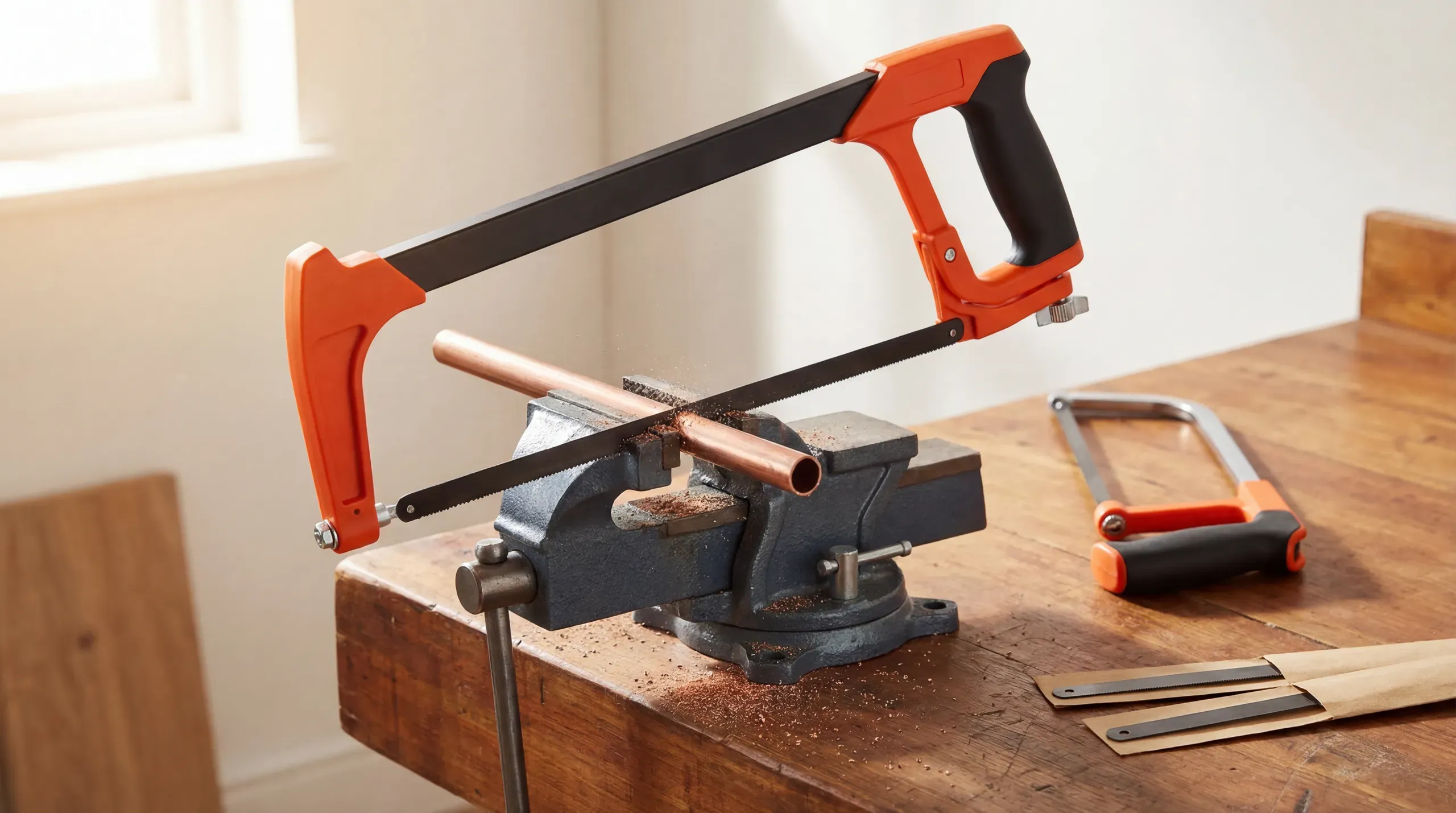
Hacksaws: Blade Selection, Proper Technique, and What to Buy
The UK guide to hacksaws for extension work. Full-size vs junior, TPI by material, blade tension, cutting technique for copper pipe and threaded rod. Budget to mid-range, £3-30.
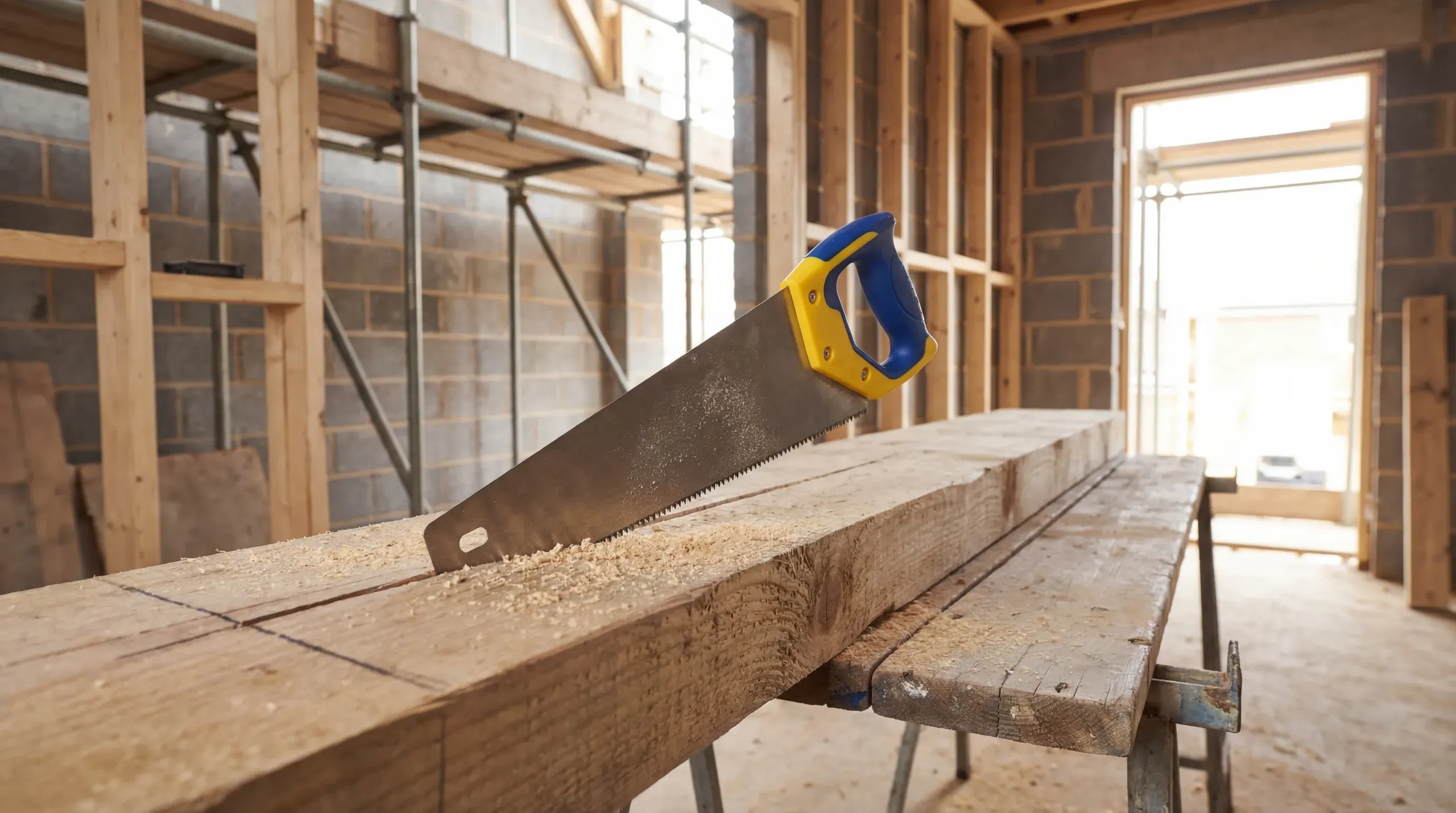
Hand Saws: Types, Technique, and What to Buy for Site Work
The UK guide to hand saws for extension projects. Panel saw vs tenon saw, TPI explained, cutting technique, and which Bahco or Irwin to buy from £5 to £35.
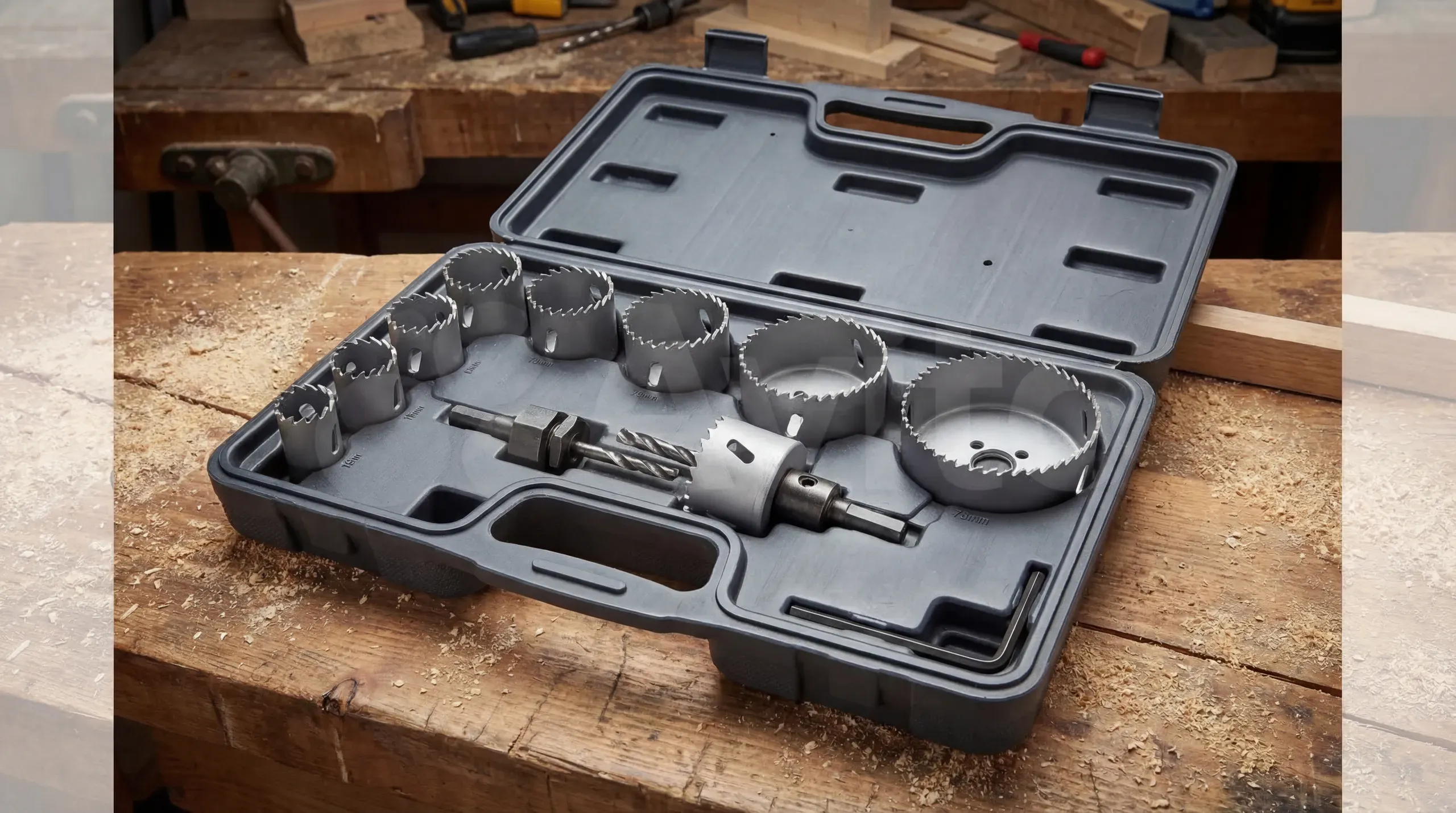
Hole Saws: Sizes, Technique, and What to Buy for Extension Work
The UK guide to hole saws for extensions. Which sizes for downlights and pipes, joist drilling rules, bi-metal vs TCT, and sets from £7 to £55.
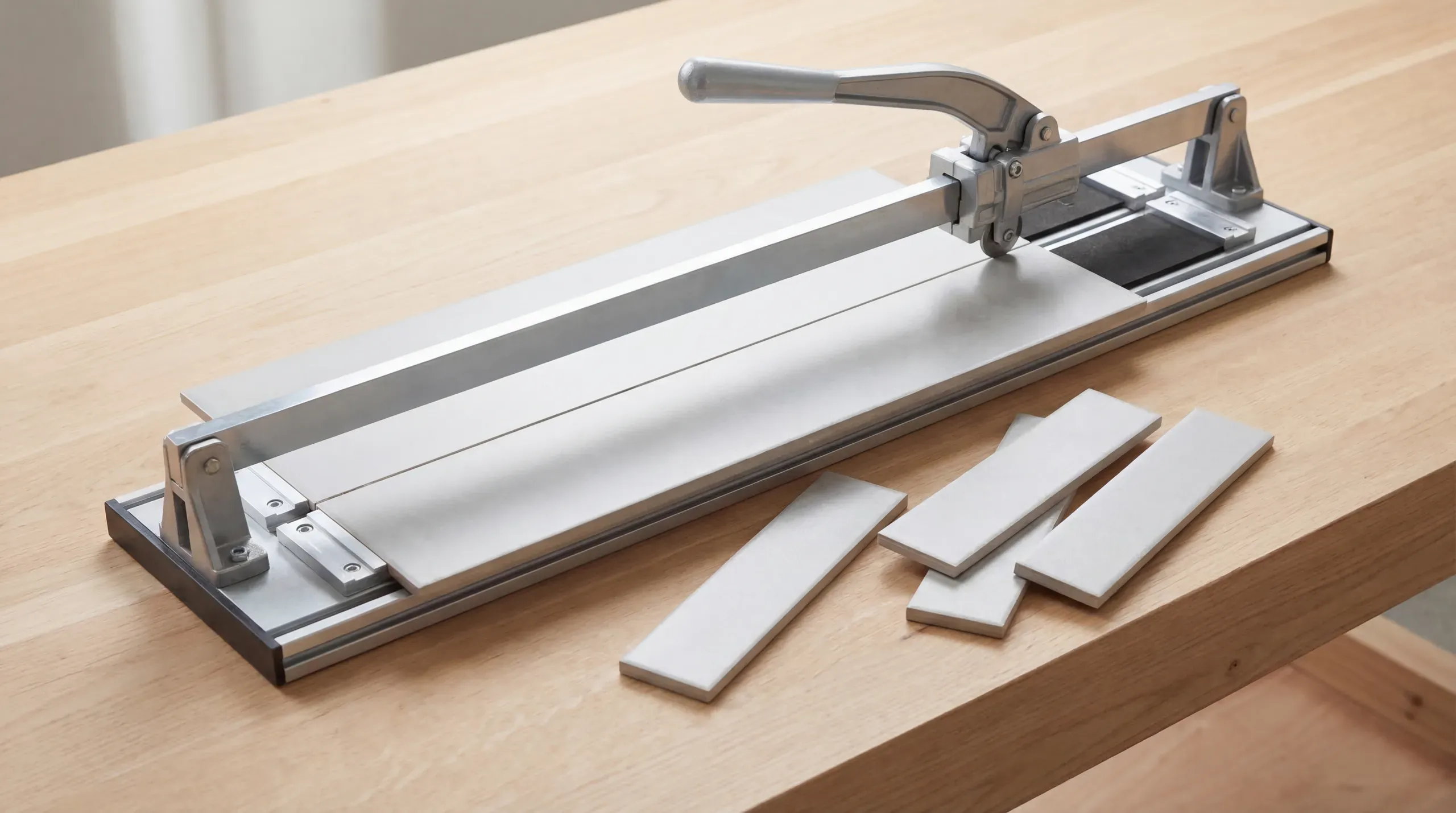
Manual Tile Cutters: How to Score, Snap, and Get Clean Straight Cuts
The UK guide to manual tile cutters. Which size to buy, how to score and snap without shattering tiles, and why budget cutters fail on porcelain. From around £17.
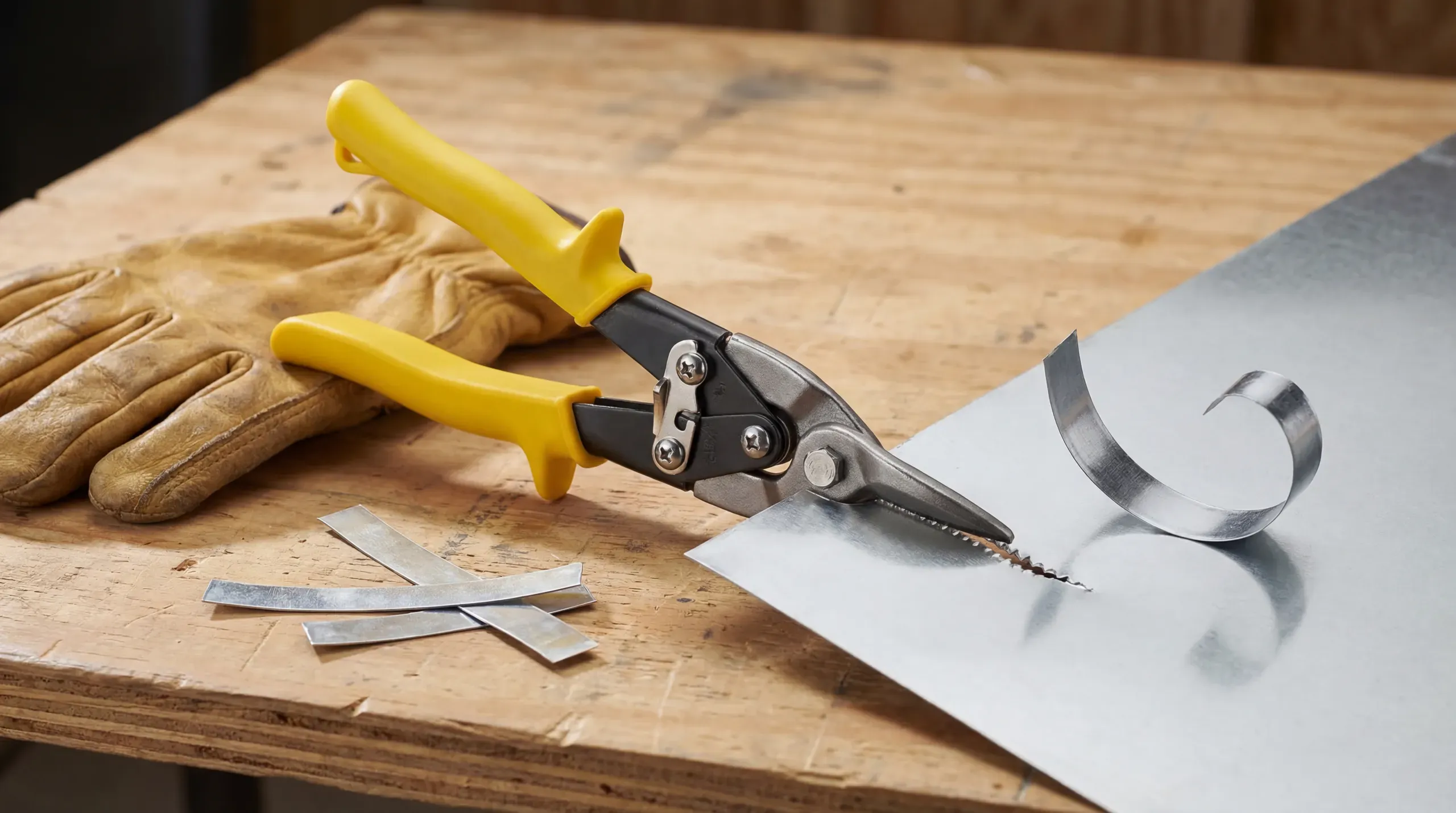
Tin Snips and Aviation Snips: Colour Codes, Technique, and What to Buy
The UK guide to tin snips and aviation snips. Colour coding explained, cutting technique for sheet metal and flashing, and what to buy from £5 to £28.
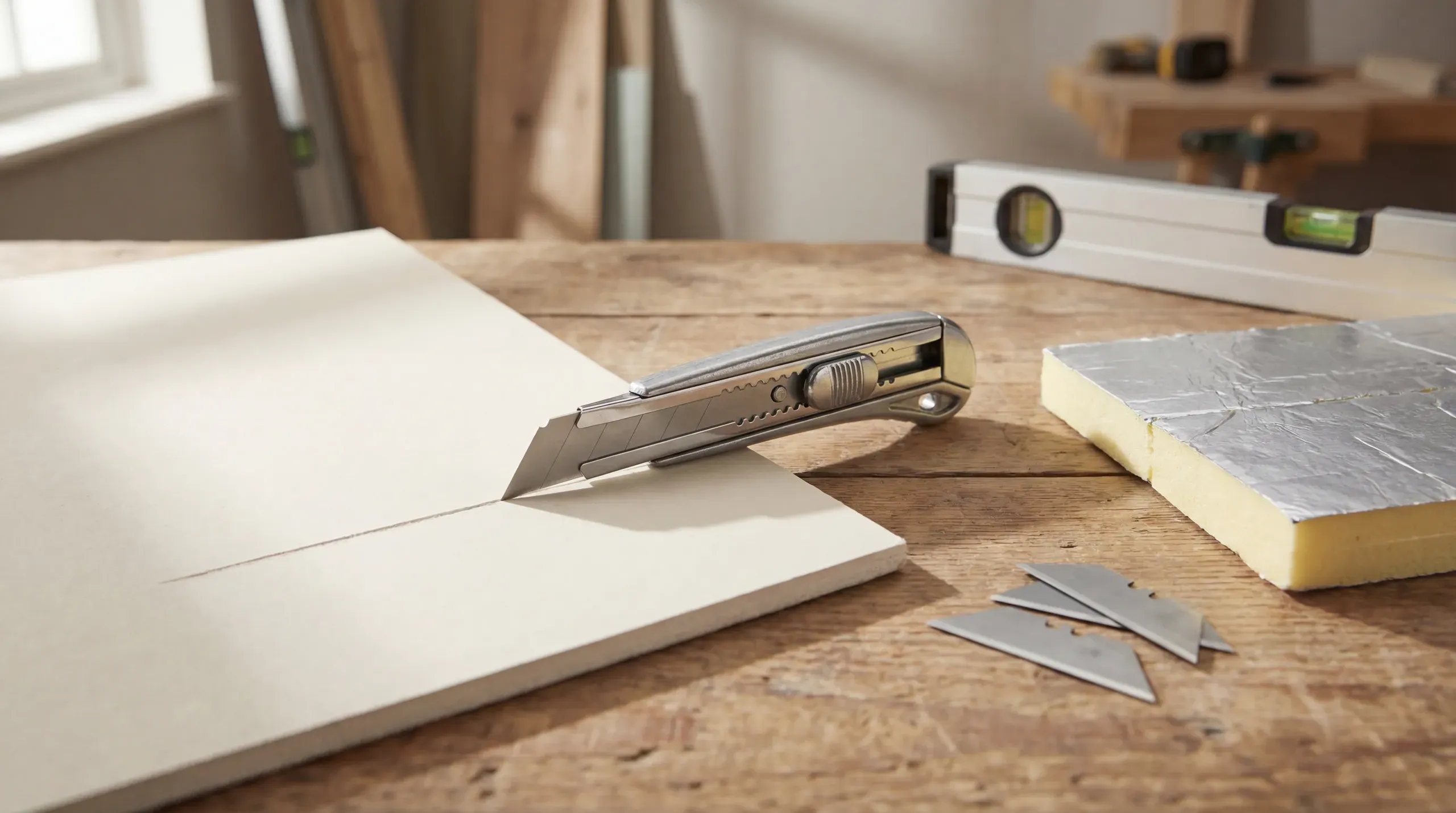
Utility Knives: Blade Types, Cutting Techniques, and What to Buy
The UK guide to utility knives (Stanley knives). Which blade for plasterboard vs carpet vs insulation, score-and-snap technique, and the best knives from around £7.