
Worktops
Quartz, granite, sintered stone, solid surface, solid wood, and laminate kitchen worktops: how each option performs, what they cost per linear metre, and why stone and solid-surface tops need templating once units are fitted.
Worktops are the most visible surface in a new kitchen, and the one where early decisions lock in both cost and lead time. Stone, sintered stone and solid-surface tops cannot be ordered from a drawing: the fabricator templates the actual units once they are installed, then fabricates to that template, typically over two to four weeks. That gap has to be built into the programme, because the sink, hob and flush-fitting appliances cannot be connected until the tops are in.
These guides cover the worktop materials used in a UK extension: quartz and granite for durable stone finishes, sintered stone for premium heat-resistant installations, solid surface for joint-free runs, solid wood for a warmer traditional look, and laminate as the most affordable option. Each page explains what the fitter needs from you and the trade-offs around heat, water and repairability.
Where to start
Read quartz worktops first, even if you have not settled on quartz, because it sets out the templating process and the programme gap that apply to every fabricated top. Then read the guide for the material you are leaning towards, and the kitchen sinks guide, since the sink has to be on site before templating day.
The guides, grouped by job
Stone and stone-like. Quartz, granite, sintered stone and solid surface. All are templated and fabricated off site, and the sintered stone guide explains why slab thickness and support underneath matter.
Timber. Solid wood worktops, and the worktop oil that keeps them sealed, with the maintenance schedule that goes with it.
Laminate. Laminate worktops, which can be cut and fitted on site. The joints are pulled together with worktop bolts.
Where these fit in the build
The material is chosen at sourcing units and worktops, and the layout that decides joints and cutouts at measuring and layout. Templating and fitting happen during kitchen installation, so put the fabrication gap into your construction programme early. The kitchen cost estimator shows how the worktop choice moves the overall kitchen budget.
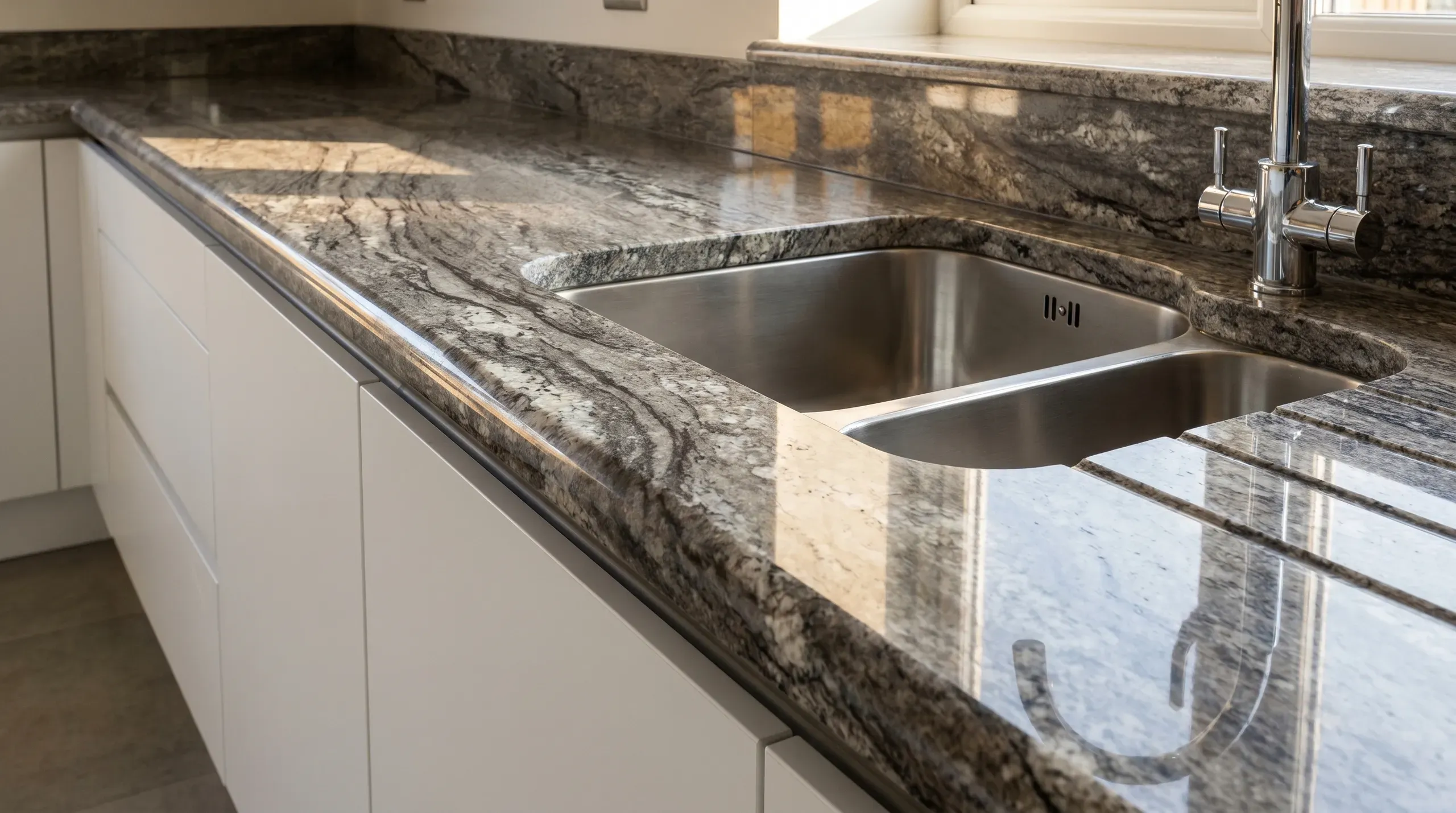
Granite Worktops: Prices, Finishes, and What Actually Happens on Templating Day
The complete UK guide to granite kitchen worktops. Grades, finishes, sealing, sink cutouts, lead times, and current installed prices of £300-600 per linear metre.
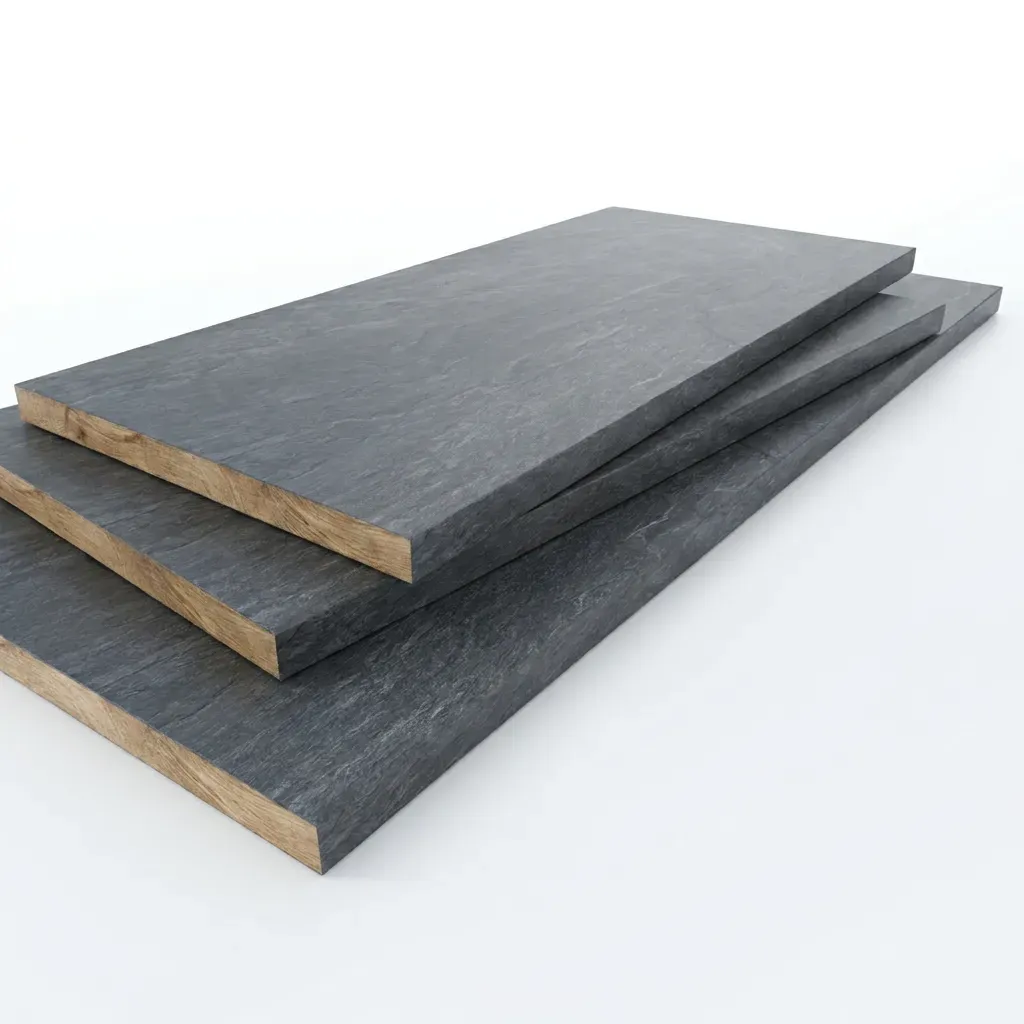
Laminate Worktops: Types, Fitting, and What to Buy
The UK guide to laminate kitchen worktops. Standard postformed vs compact laminate, sealing the sink cutout, thickness for gas hobs, prices from around £100 per 3m length.

Quartz Worktops: Pricing, Templating, and What Goes Wrong
The complete UK guide to quartz kitchen worktops. Installed prices from £250 – £600, templating process, programme gaps, edge profiles, and how to avoid the post-install disputes that fill forum threads.
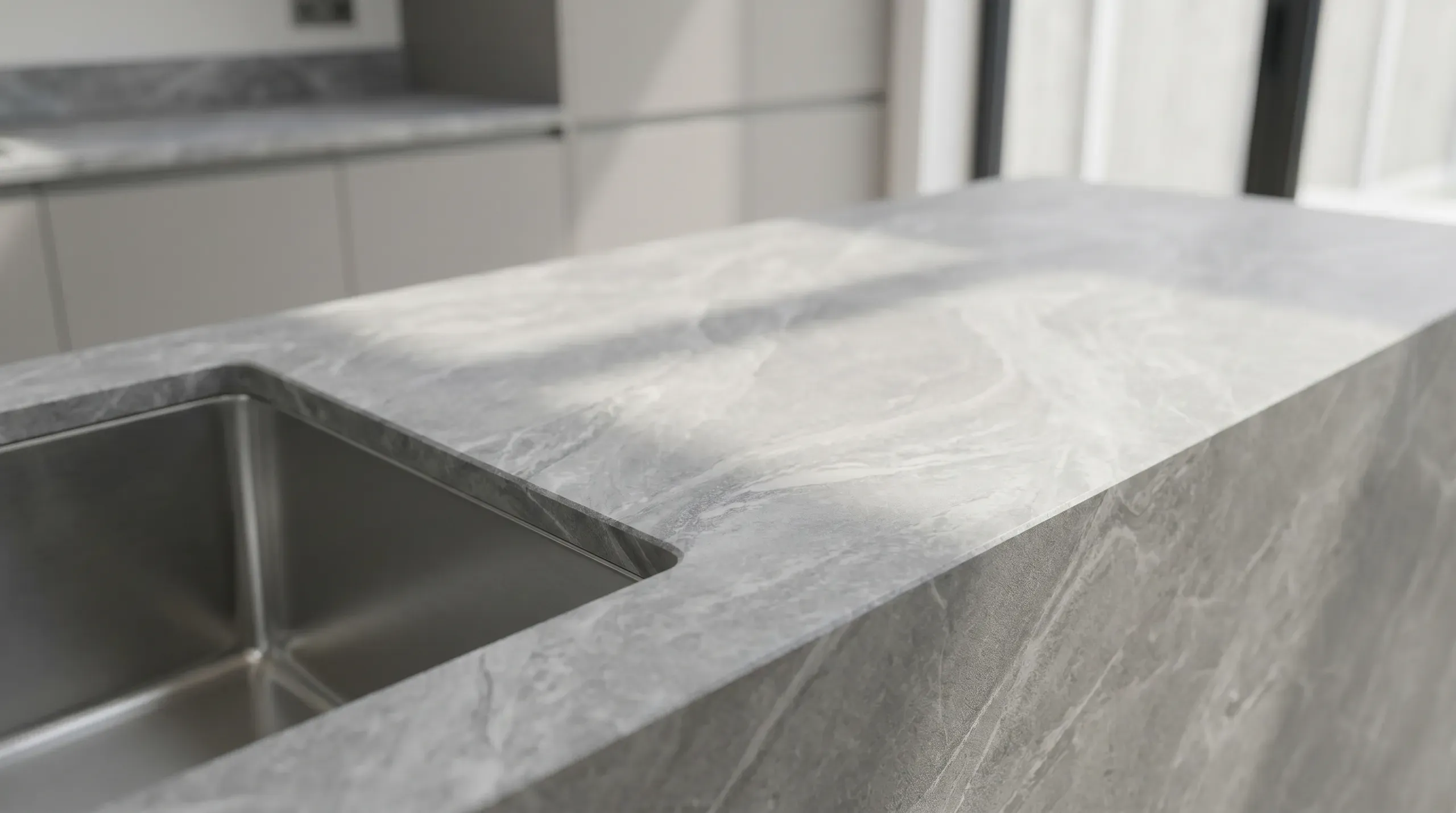
Sintered Stone Worktops: Dekton, Neolith, Lapitec and What to Actually Specify
The UK buyer's guide to sintered stone worktops. Thickness choices, brand differences, chipping risk, UV stability, and why templating dictates the programme.
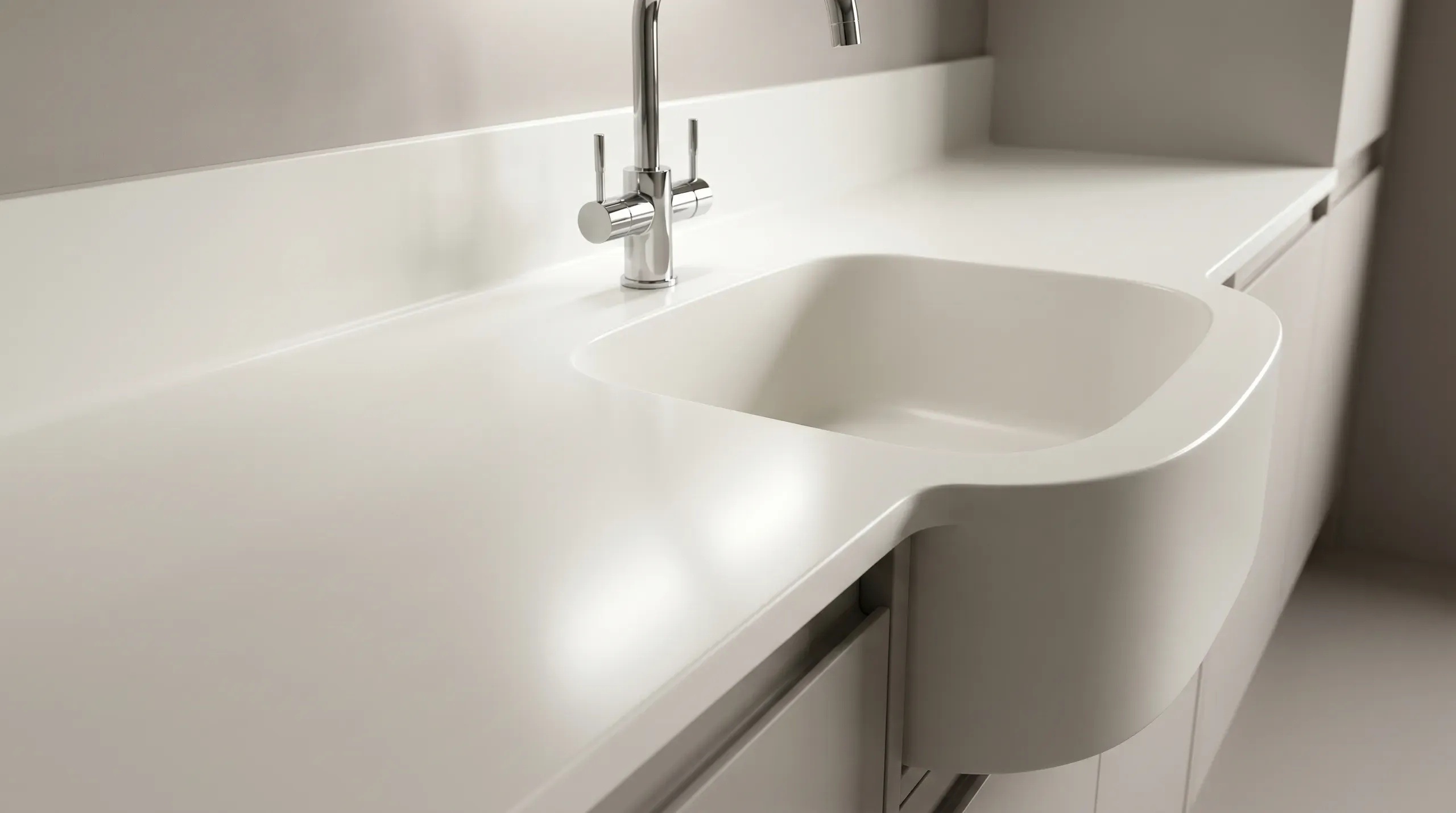
Solid Surface Worktops: Corian, Hi-Macs, Staron and the Integrated Sink Advantage
The complete UK guide to solid surface worktops. How Corian, Hi-Macs and Staron compare, why fabrication matters more than brand, and what £400-£700 per linear metre really buys you.
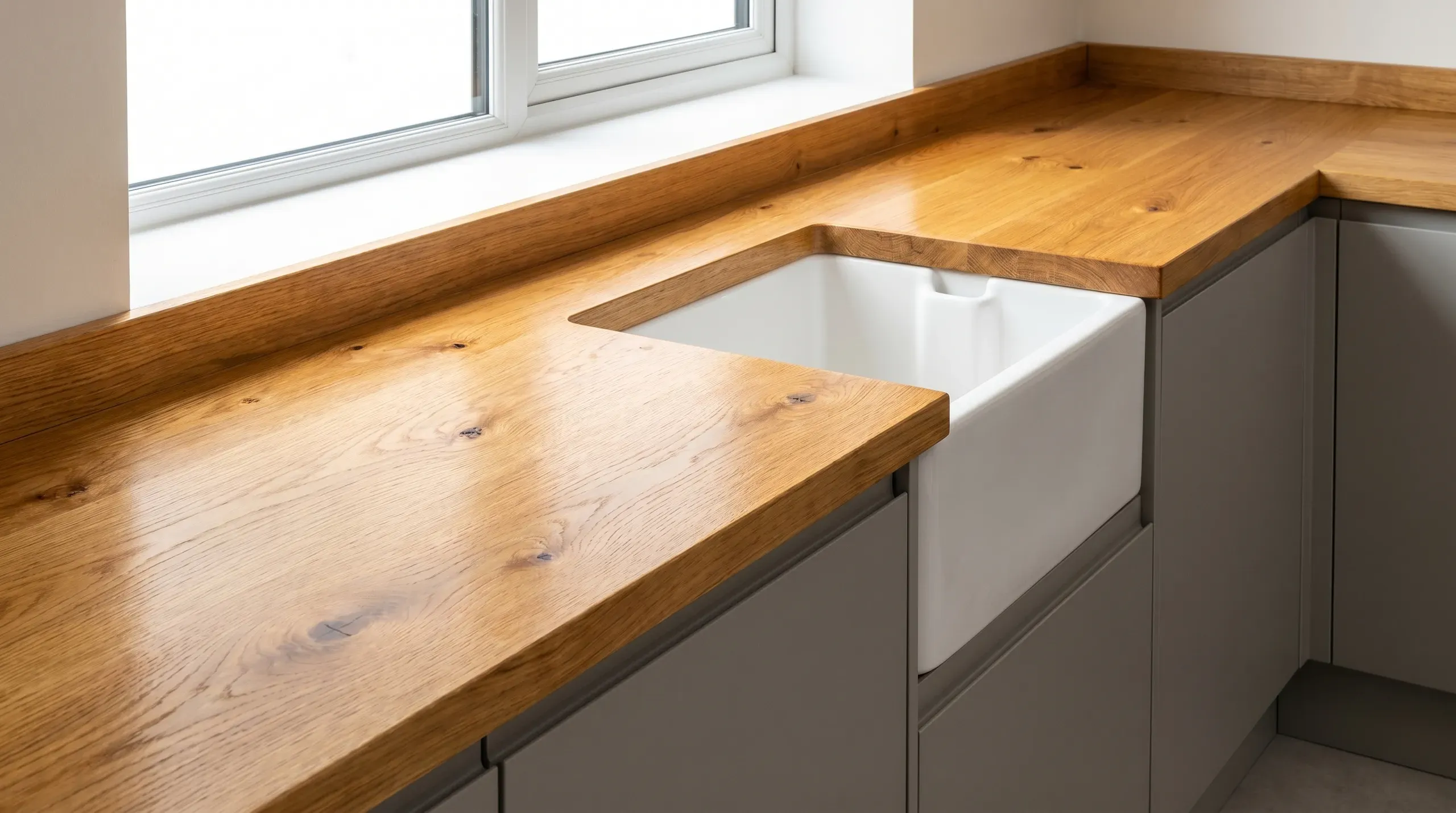
Solid Wood Worktops: Species, Construction, and How to Keep Them Alive
The UK guide to solid wood kitchen worktops. Oak, walnut, iroko, beech compared. Staved vs full-stave construction, oiling schedules, failure modes around sinks, and what to budget.
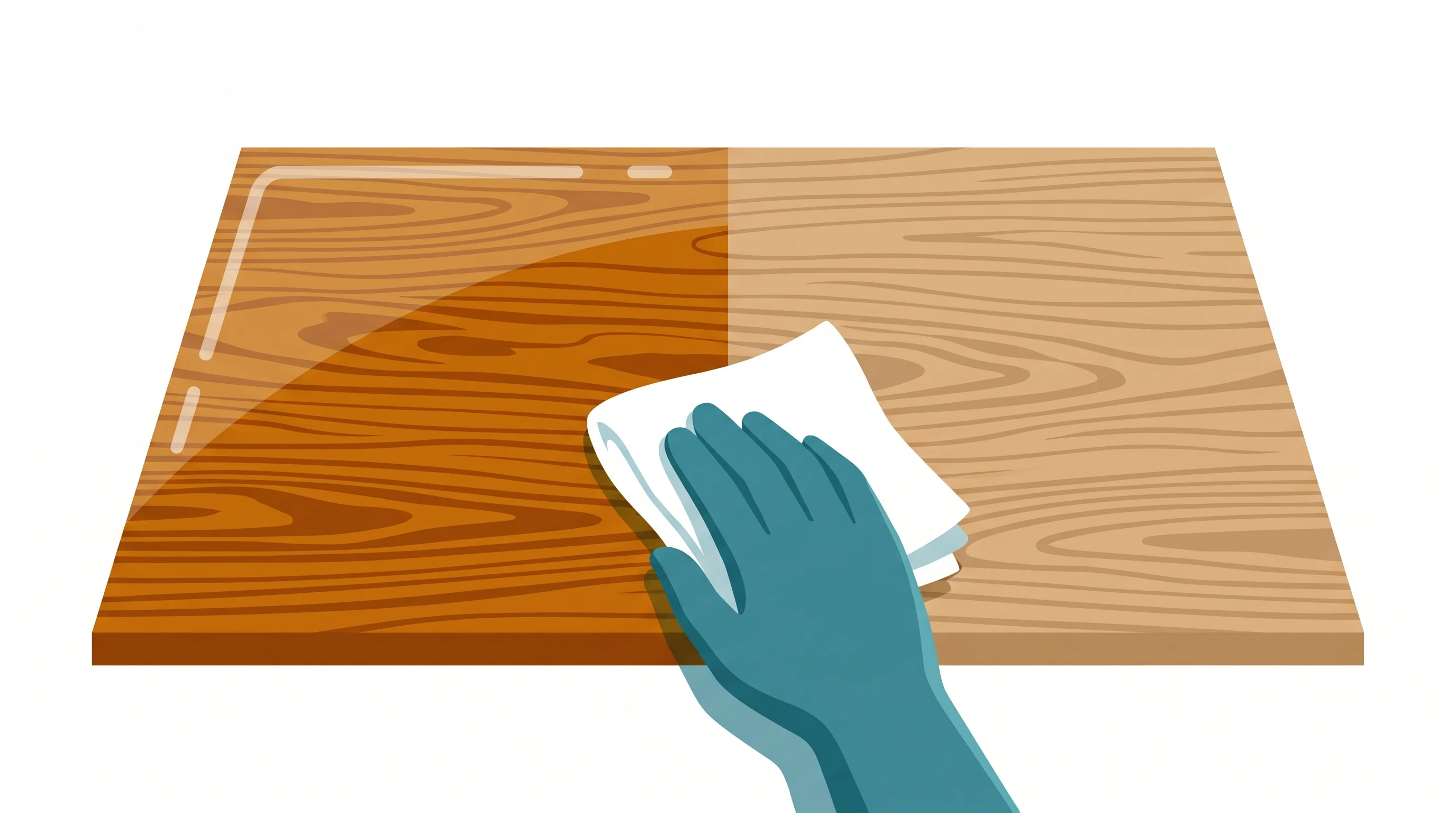
Worktop Oil for Solid Wood and Butcher Block: How to Apply and How Often
A UK guide to worktop oil: which wood worktop oils work, how to prepare the surface, application method, drying time, number of coats, and the ongoing maintenance schedule.