
Ducting
Rigid and flexible ducting, external cowls, and insulation wrap for cooker hood extraction. Why 150mm rigid duct is the standard, and how the wrong substitution silently kills extractor performance.
Ducting is the component most often downgraded on site without the homeowner noticing. A 125mm duct in place of 150mm has around a third less cross-section, and a long flexible run instead of smooth-bore rigid pipe loses more again, which can turn an expensive cooker hood into a noisy but ineffective fan. Once the ceiling is closed up and the kitchen is tiled, putting it right means taking the ceiling back down.
These guides cover the extraction ducting used in a UK kitchen: 150mm rigid duct as the performance baseline, flexible ducting for short transitions only, insulation wrap where the run passes through a cold loft or void, the cowls and roof or soffit terminals where the air leaves the house, and the filters inside the hood. Each page explains the specification, the install detail that matters, and the shortcut your installer may try to take.
Where to start
Read 150mm rigid ducting first, since it sets the standard everything else is measured against. Then read flexible ducting, which explains the length limit and why corrugated duct should only bridge the last short section to the hood. Finish with duct cowls, because the terminal on the outside wall decides whether the system rattles, lets rain in, or blows cold air back into the kitchen.
The guides, grouped by job
The duct run. Rigid duct for the main run, flexible duct for short connections, and duct insulation wrap to stop condensation dripping back from a duct in a cold space.
Where the air leaves. Wall cowls, and soffit and tile vent terminals where the duct goes up through the roof or out under the eaves.
Filters in the hood. Grease filters, which need regular cleaning, and activated carbon filters for recirculating hoods, which clean smells but do not replace extraction under Part F.
Where these fit in the build
The hood type and duct route are decided in extractor and ventilation, alongside appliance selection and measuring and layout. The duct has to be in place before the ceiling is boarded, and the hood is connected to it at kitchen installation.

Activated Carbon Filters for Recirculating Cooker Hoods: What They Do and When to Replace
A UK guide to activated carbon filters in recirculating cooker hoods: how they work, why they cannot replace extraction under Part F, replacement intervals, compatible filter types, and what to buy.
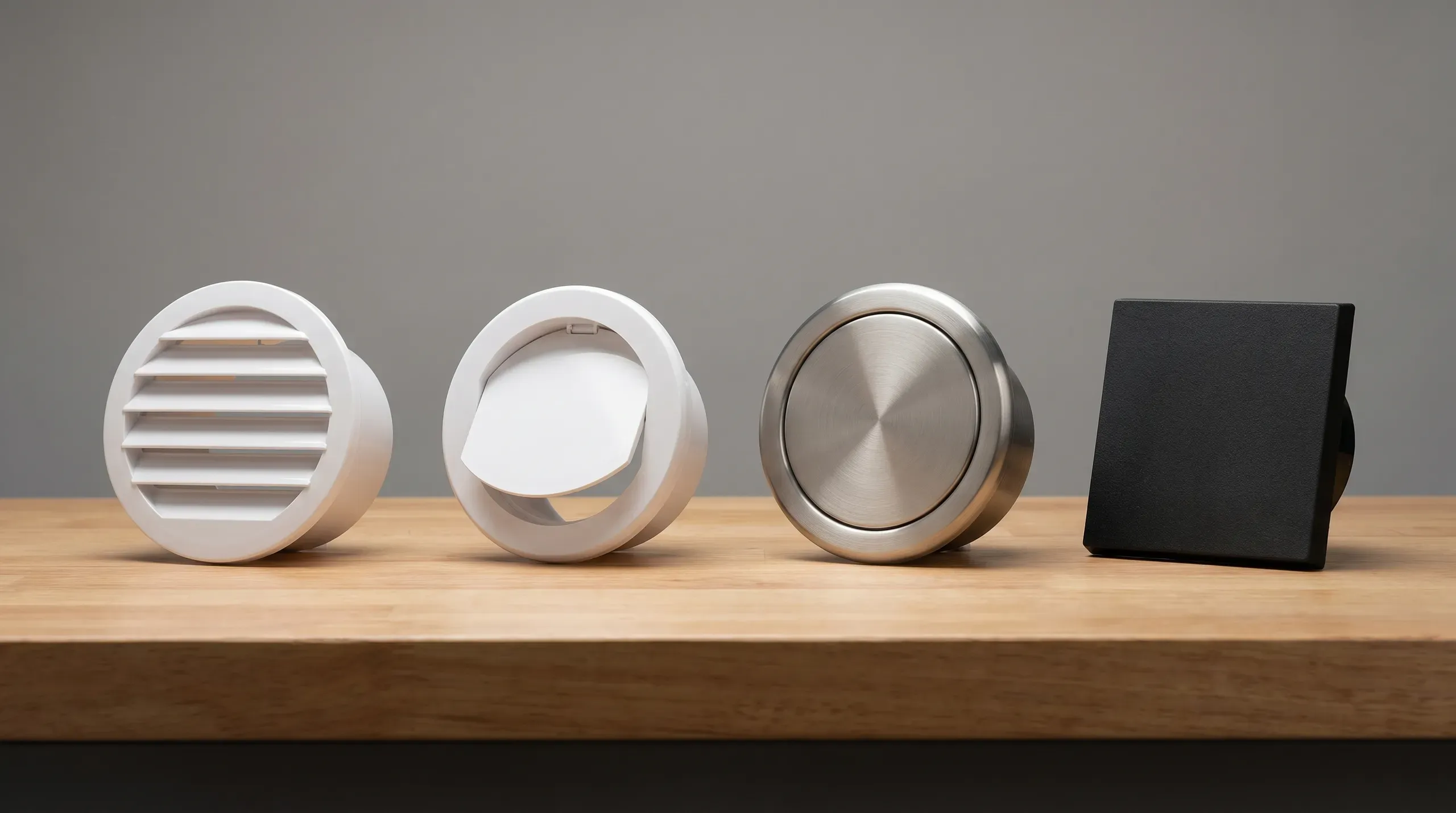
Duct Cowls: External Vent Types, Anti-Rattle Advice, and What to Buy
UK guide to kitchen extractor duct cowls. Louvred, gravity flap, inline non-return valve, and render-finish options. Sizes 100mm, 125mm, 150mm. Prices from £4 to £110.
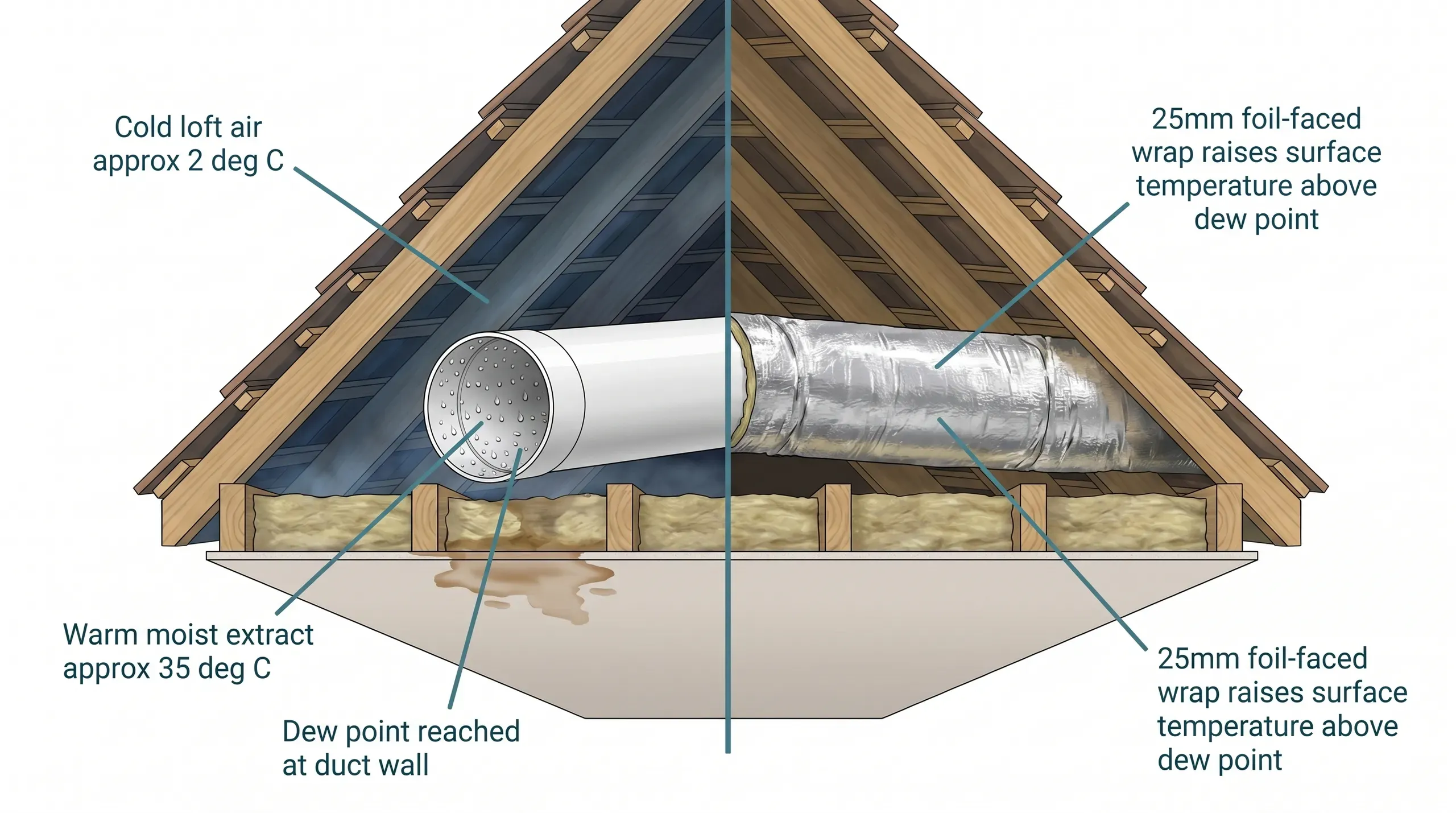
Duct Insulation Wrap: Why Loft Ducts Drip and How to Stop It
The UK guide to insulating kitchen extract ducts in lofts and cold voids. Approved Document F specification, product types, and how to fit it so the ceiling doesn't stain.
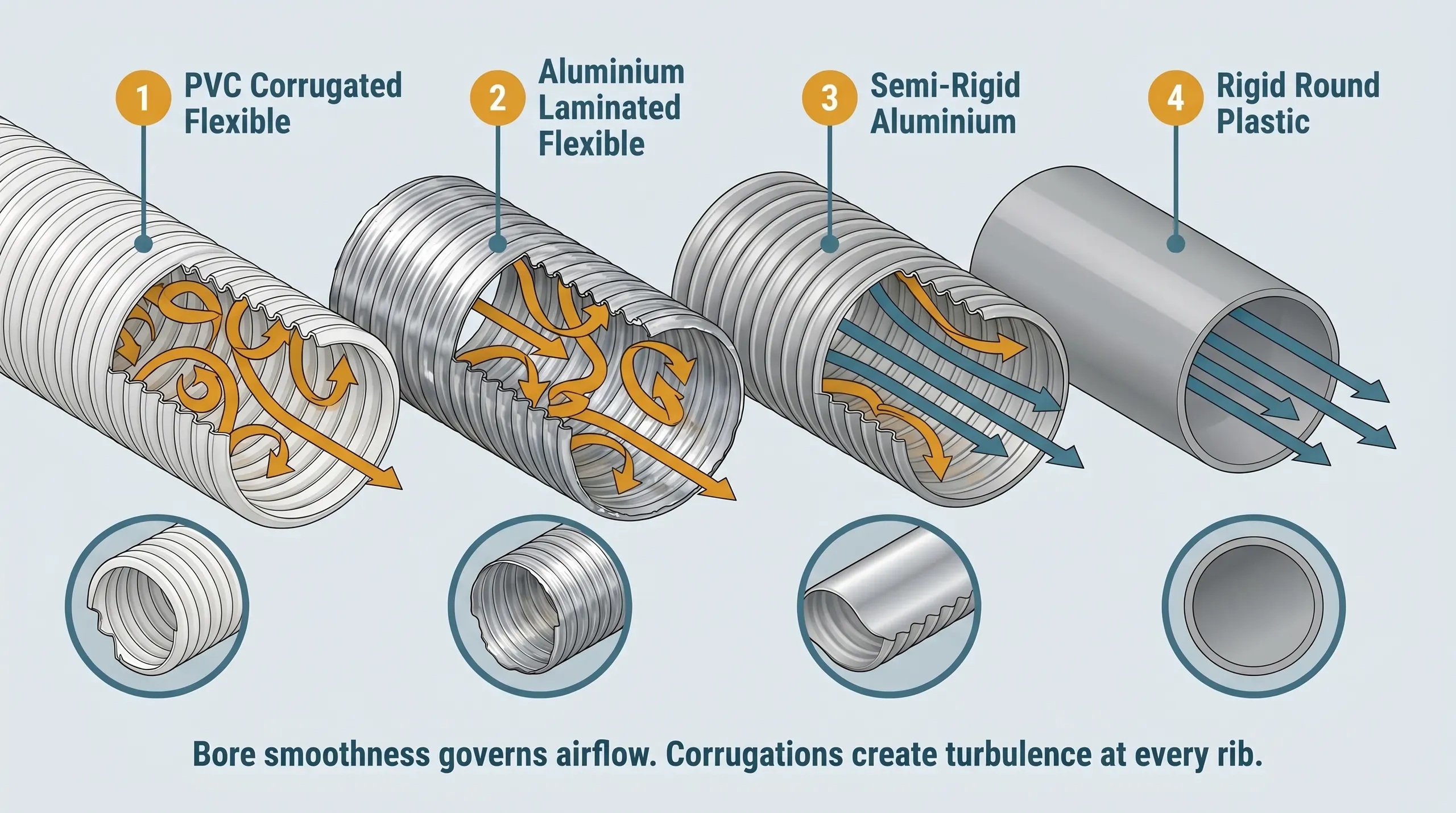
Flexible Ducting: Why It Fails and When It's Actually Acceptable
The UK guide to flexible extraction ducting. Why corrugated bore halves airflow, the 1.5m Building Regs limit, Part F commissioning risk, and which type to buy for cooker hoods.
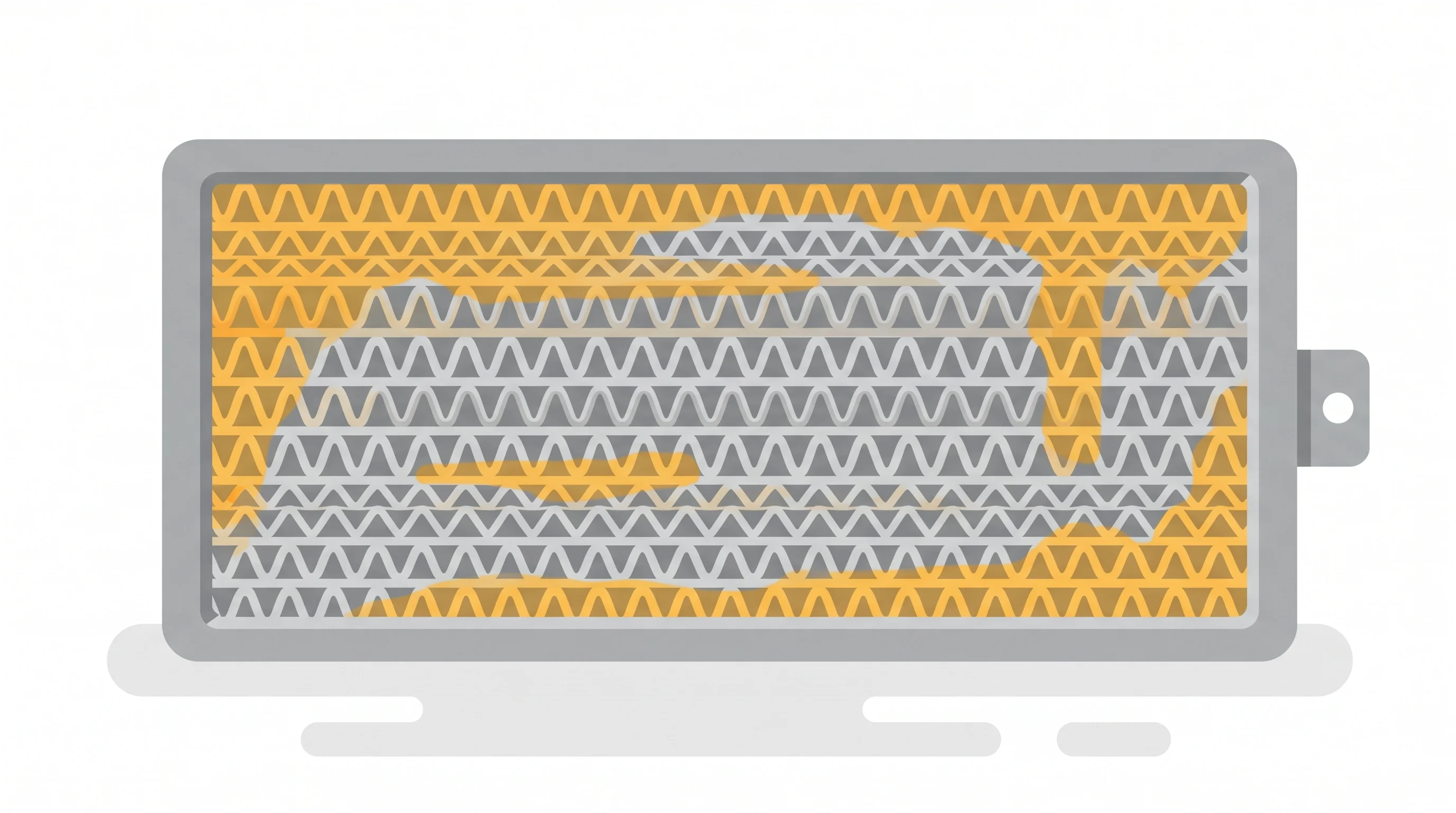
Cooker Hood Grease Filters: Metal Mesh, Baffle and How Often to Clean Them
A UK guide to cooker hood grease filters: aluminium mesh vs baffle, why grease-saturated filters are a fire risk, cleaning intervals, dishwasher-safe vs hand-wash only, and what to replace.
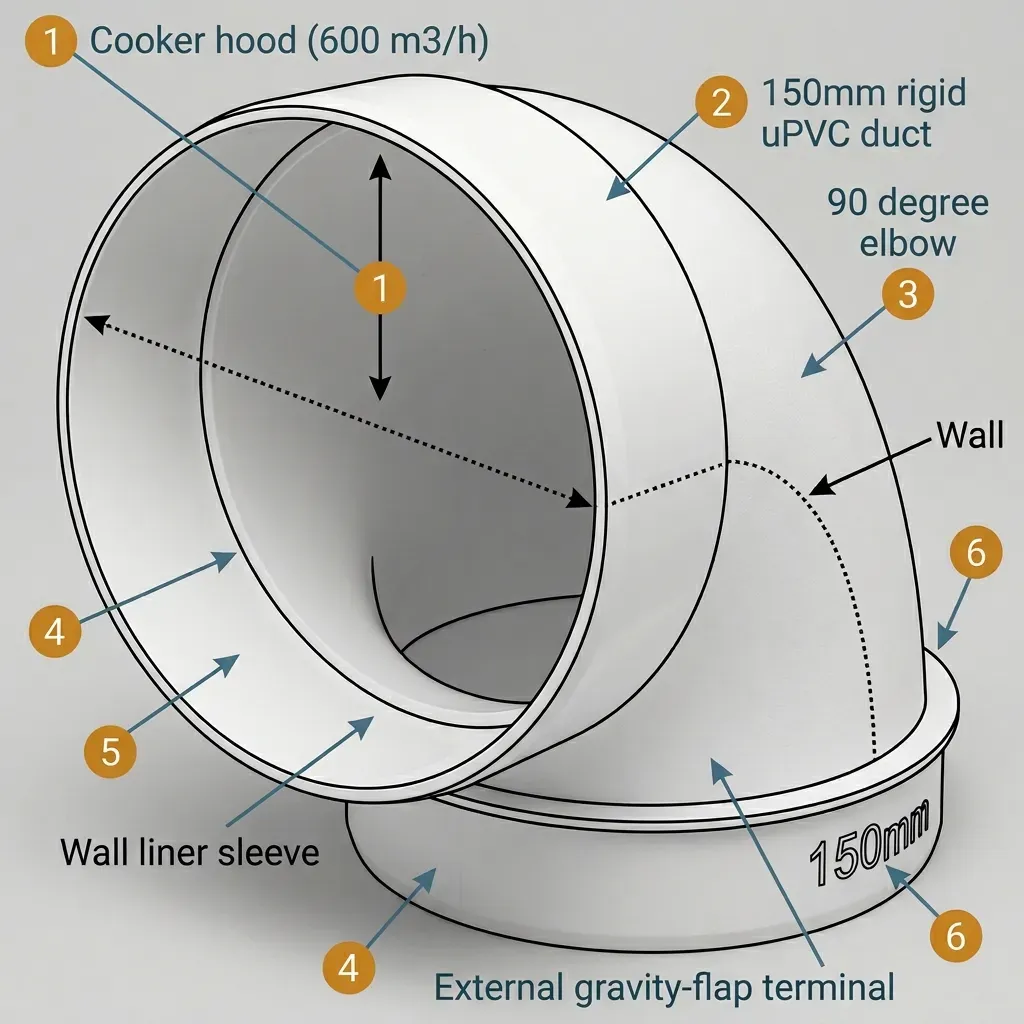
150mm Rigid Ducting: The Correct Spec for Cooker Hood Extraction
UK guide to 150mm rigid cooker hood ducting. Why 150mm not 125mm, the 220x90mm flat-channel equivalent, Part F airflow rates, fittings, and where to source the full range.
Soffit and Tile Vent Terminals for Cooker Hood Extraction: Positioning and What to Specify
A UK guide to soffit vent terminals and roof tile vents for kitchen extraction: when to use each, 150mm duct compatibility, non-return requirements, frost protection, and what to buy.